Reviewed by the Help Dementia Editorial Team — our editors review every article for accuracy against guidance from the National Institute on Aging, the Alzheimer’s Association, and peer-reviewed sources.
Small lifestyle sits at the center of this dementia and brain health question.
Yes, volunteering strengthens your brain and slows age-related cognitive decline—regardless of whether you’re in your 50s, 70s, or 90s. Recent research analyzing data from over 30,000 adults tracked over two decades shows that people who volunteer 2-4 hours per week experience a 15-20% slower rate of cognitive decline compared to those who don’t volunteer. This isn’t a minor benefit: a 15-20% reduction in decline means the difference between sharper memory and language skills during your later years. Consider the example of a 72-year-old woman who started volunteering at her local library three hours a week after her husband passed away.
Two years later, her memory improved noticeably, and her family said she seemed more mentally sharp and engaged than she had been in years. The protective effect comes from the brain work volunteering demands: organizing activities, managing interactions with others, solving problems on the fly, and staying physically and mentally active. Volunteering isn’t a pharmaceutical intervention or a complex lifestyle overhaul. It’s a small, meaningful shift that produces measurable brain health improvements.
Table of Contents
- Can Volunteering Really Prevent Cognitive Decline? What the Research Shows
- How Volunteering Protects Your Brain Against Cognitive Aging
- The Memory and Executive Function Connection: Why These Skills Matter Most
- How Much Volunteering Do You Actually Need? Finding Your Sustainable Commitment
- When Volunteering Becomes a Stressor: Recognizing the Limits
- Combining Volunteering with Other Brain-Protective Habits
- The Future of Brain Health: Why Volunteering Deserves More Recognition in Clinical Practice
- Conclusion
Can Volunteering Really Prevent Cognitive Decline? What the Research Shows
The evidence is striking. A comprehensive analysis published in *Social Science & Medicine* found that adults volunteering at a consistent level—roughly 2-4 hours weekly—showed significant protection against age-related cognitive decline, with improvements in both verbal memory and executive function. The Baltimore Experience Corps trial, conducted from 2024-2025, tracked adults aged 60 and older who volunteered at elementary schools. After two years, the volunteer group showed measurable brain health improvements compared to a control group on a waiting list. Brain imaging and cognitive testing both confirmed the changes. What makes this evidence credible is its scale and methodology.
The data comes from long-term cohort studies following thousands of people, not short-term lab experiments. Researchers controlled for age, sex, education level, and income—factors that independently affect cognitive health. The consistency across different studies and populations (urban, rural, different income levels) suggests the benefit is real and reproducible. One limitation: volunteering works best when it’s regular and sustained. One-off volunteer events don’t produce the same brain benefits. You need to commit to it over months and years for your brain to build new neural connections and cognitive reserves.
How Volunteering Protects Your Brain Against Cognitive Aging
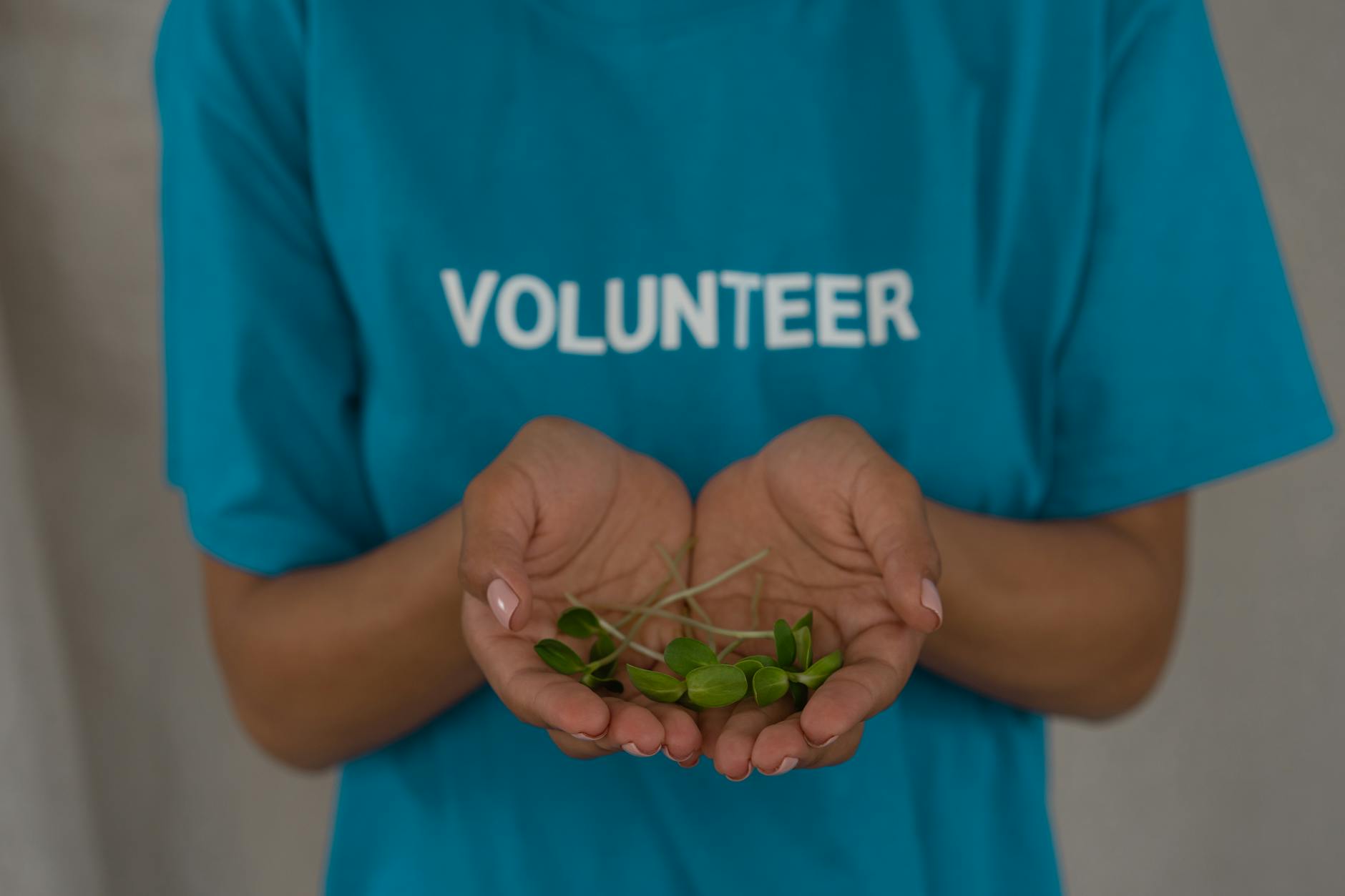
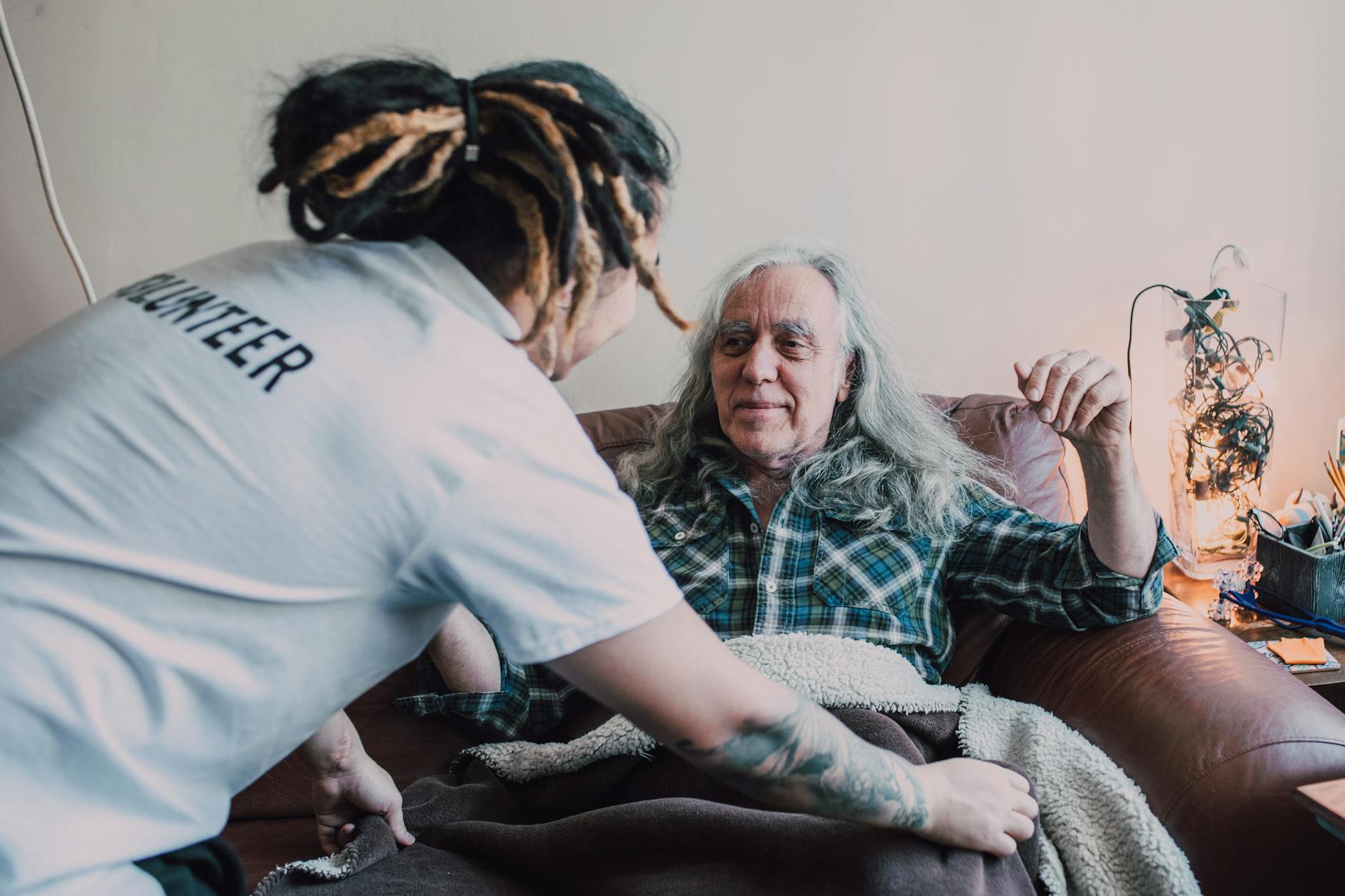
Volunteering creates the exact type of brain stimulation that slows cognitive decline. When you volunteer—whether mentoring students, helping at a food bank, visiting homebound neighbors, or organizing community events—your brain is constantly switching between tasks, processing new information, and managing social interactions. This activates your executive function (planning, decision-making, attention control) and verbal episodic memory (remembering events and conversations). Over time, this repeated activation builds what neuroscientists call “cognitive reserve”—a buffer against age-related brain changes. Informal helping provides the same benefit as formal volunteering. Research shows that helping family members, neighbors, or friends in need activates the same cognitive pathways as volunteering through an organization.
This is important because not everyone can commit to a formal volunteer position with transportation, schedules, or other barriers. If you help your adult daughter with her children, assist an elderly neighbor with errands, or provide emotional support to a friend going through a health crisis, your brain receives similar protective benefits. However, there’s a diminishing returns curve. The optimal time commitment is 2-4 hours per week. More hours don’t produce proportionally greater benefits—and in some cases, volunteer burnout can become a stressor, which works against brain health. The goal is consistent, sustainable helping, not heroic overcommitment.
The Memory and Executive Function Connection: Why These Skills Matter Most
The cognitive improvements volunteers show are concentrated in two areas: episodic memory (remembering specific events, conversations, and details from daily life) and executive function (planning, organizing, adapting to new situations). These aren’t trivial skills. Episodic memory is often the first thing to fade in early cognitive decline and mild cognitive impairment. Executive function governs your ability to manage finances, follow medical instructions, and stay safe at home. Decline in these areas directly impacts quality of life and independence.
A 68-year-old retired teacher who volunteers tutoring at-risk high school students reported that after a year of weekly tutoring, her ability to retain information improved noticeably. She could remember student names and their individual learning challenges more easily, and her family observed she was more organized and quicker to problem-solve in daily situations. Her baseline scores on cognitive assessments showed measurable improvement, which is the opposite of what typically happens with normal aging. This is why volunteering is particularly valuable for people in their 60s, 70s, and 80s. These are the decades when cognitive decline typically accelerates. Building cognitive reserve now—through volunteering or other mentally demanding activities—creates a buffer against future decline.

How Much Volunteering Do You Actually Need? Finding Your Sustainable Commitment
The research is clear: aim for 2-4 hours per week. That’s roughly one afternoon or evening a week, or two shorter sessions. This range consistently showed the strongest cognitive benefits without leading to volunteer burnout or overwhelming your schedule. For someone managing health issues, caregiving, or work, two hours per week is entirely achievable. For someone with more flexibility, three or four hours is ideal. The type of volunteering matters less than consistency and engagement.
Whether you volunteer at a library, food bank, school, hospital, mentorship program, or community center, the cognitive benefits come from the same source: sustained mental engagement in a purposeful activity. However, volunteering that requires more active problem-solving and social interaction (teaching, mentoring, coordinating activities) likely provides greater cognitive stimulation than passive volunteering (sorting donations, filing paperwork). That said, even modest volunteer work activates your brain more than sitting at home. One practical consideration: start small and sustainable. Beginning with two hours per week is better than committing to eight hours and burning out after three months. Your brain benefits from consistent engagement over years, not intensity over weeks.
When Volunteering Becomes a Stressor: Recognizing the Limits
Volunteering’s protective effects depend on it being a positive experience. If you feel obligated, overwhelmed, or mistreated in your volunteer role, the stress can work against your brain health. Some volunteer settings are poorly organized, understaffed, or have unclear expectations. Others involve emotionally draining situations that accumulate without adequate support. A volunteer working in a crisis hotline without proper training and supervision might experience secondary trauma, which increases cortisol and inflammation—factors that accelerate cognitive decline.
Similarly, volunteering that requires excessive commuting, inflexible scheduling, or physical demands you can’t sustain will eventually backfire. A 75-year-old who commits to volunteering across town three days a week might find the transportation exhausting, leading to skipped shifts and guilt. The cognitive benefit shrinks when consistency breaks down. Choose a volunteer role that aligns with your actual capacity and interests. Before you commit, ask the volunteer coordinator about training, support, and realistic time expectations. A well-structured volunteer program will have clear onboarding, a point person for questions, and flexibility if you need to adjust your schedule due to health issues.
Combining Volunteering with Other Brain-Protective Habits
Volunteering works best as part of a broader brain health strategy, not as a replacement for other protective habits. Regular physical exercise, especially aerobic activity like walking or swimming, independently improves brain health and should remain a priority. Social engagement beyond volunteering—maintaining friendships, participating in clubs, attending community events—provides additional cognitive stimulation. A healthy diet, sleep, and cognitive activities like reading, learning new skills, or solving puzzles all contribute to brain resilience.
Consider a 70-year-old man who volunteers tutoring three hours weekly, walks 30 minutes most days, maintains close friendships through regular phone calls and dinners, reads widely, and monitors his blood pressure and cholesterol. This combination creates multiple layers of brain protection. Volunteering is the thread that ties these habits together: it provides structure, purpose, social connection, and mental engagement simultaneously. In this context, it becomes particularly powerful.
The Future of Brain Health: Why Volunteering Deserves More Recognition in Clinical Practice
Despite the strong evidence, volunteering isn’t routinely recommended by doctors as part of dementia prevention or cognitive aging management. Most clinical focus remains on medications, supplements, and high-tech interventions, even though volunteering is free, accessible, and produces measurable improvements. That’s beginning to change. Hospitals and clinics are starting to incorporate volunteer programs and community engagement into wellness initiatives.
Some insurers recognize that promoting volunteering might reduce costly cognitive decline and its associated healthcare costs. Looking ahead, expect to see more integration of volunteering into brain health programs. Neuroscience is increasingly clear that aging is not inevitable decline—it’s a complex process shaped by engagement, purpose, and activity. Volunteering addresses all three. It’s not a cure for dementia or cognitive impairment, but for people without disease, it’s one of the most effective ways to protect the brain you have.
Conclusion
Volunteering is a small lifestyle change with outsized brain benefits. Two to four hours per week of consistent, purposeful helping reduces your rate of cognitive decline by 15-20% over decades—a protection equivalent to years of preserved brain function. The benefit applies whether you volunteer through an organization or help friends and neighbors informally. Memory, executive function, and overall cognitive sharpness improve measurably.
If you’re concerned about cognitive aging or want to protect your brain proactively, volunteering is actionable today. Start with a role that genuinely interests you, commit to consistency over intensity, and choose a setting where you feel supported. Combine it with physical activity, social engagement, and a healthy lifestyle for maximum brain protection. Your future self will benefit from this choice.
You Might Also Like
- Small Lifestyle Change: taking 8,000 steps a day Linked to Sharper Brain at Any Age
- Small Lifestyle Change: socializing weekly Linked to Sharper Brain at Any Age
- Small Lifestyle Change: resistance training Linked to Sharper Brain at Any Age
For more, see Alzheimer’s Association.