Reviewed by the Help Dementia Editorial Team — our editors review every article for accuracy against guidance from the National Institute on Aging, the Alzheimer’s Association, and peer-reviewed sources.
Combining sauna sits at the center of this dementia and brain health question.
Research reveals that combining regular sauna use with reduced air pollution exposure could dramatically lower your dementia risk by addressing two distinct pathways to cognitive decline. While no single study directly examines this combination, emerging evidence shows that men using saunas four to seven times weekly experience a 66% lower dementia risk compared to those using saunas once weekly, while simultaneously reducing exposure to air pollution could prevent 15 to 17% of dementia cases in a population over a decade.
Together, these lifestyle modifications target complementary mechanisms—sauna use appears to strengthen cardiovascular and brain resilience, while air pollution reduction protects neural tissue from oxidative stress and inflammation. For a 68-year-old living near a busy highway who starts sauna bathing three times weekly and moves to a neighborhood with cleaner air, the cumulative protective effect represents one of the most evidence-supported preventive approaches currently available. This article explores how these two separate interventions work and why combining them may offer meaningful protection against the cognitive decline that affects millions worldwide.
Table of Contents
- How Can Sauna Use and Improved Air Quality Together Reduce Dementia Risk?
- The Science Behind Sauna Use and Dementia Prevention
- Understanding Air Pollution’s Impact on Cognitive Decline
- A Two-Pronged Approach to Reducing Your Dementia Risk
- Practical Limitations and Barriers to Both Interventions
- Measuring Your Exposure and Progress
- The Future of Environmental and Lifestyle Interventions for Brain Health
- Conclusion
How Can Sauna Use and Improved Air Quality Together Reduce Dementia Risk?
The mechanism linking sauna use to dementia prevention involves cardiovascular adaptation and neuroprotection. Regular heat exposure triggers heat shock proteins, improves endothelial function, and may enhance blood flow to the brain—effects documented in Finnish cohort studies following 2,315 men over decades. When paired with reduced air pollution exposure, you remove a concurrent risk factor: particulate matter smaller than 2.5 micrometers (PM2.5) crosses the blood-brain barrier and accumulates in neural tissue, triggering inflammation and amyloid-beta accumulation.
A 68-year-old engineer who relocated from a downtown apartment near a major road (where she had 7% higher dementia risk due to traffic proximity) to a quieter suburb while establishing a weekly sauna routine essentially removes a brake pedal (pollution) while simultaneously pressing an accelerator (cardiovascular adaptation). Research from Cambridge University shows that living 300 meters or more from major roads reduces dementia risk by 7% compared to proximity within 50 meters—a measurable difference that compounds when combined with sauna’s demonstrated benefits. The 39-year follow-up study of 13,994 participants found that approximately three saunas per week reduced dementia risk by 50%, while separately, a 10 μg/m³ reduction in PM2.5 exposure correlates with a 15 to 17% dementia risk reduction. These are not multiplicative guarantees but represent distinct protective pathways that address different pathophysiological processes—one promoting metabolic resilience and the other preventing toxin accumulation.
The Science Behind Sauna Use and Dementia Prevention
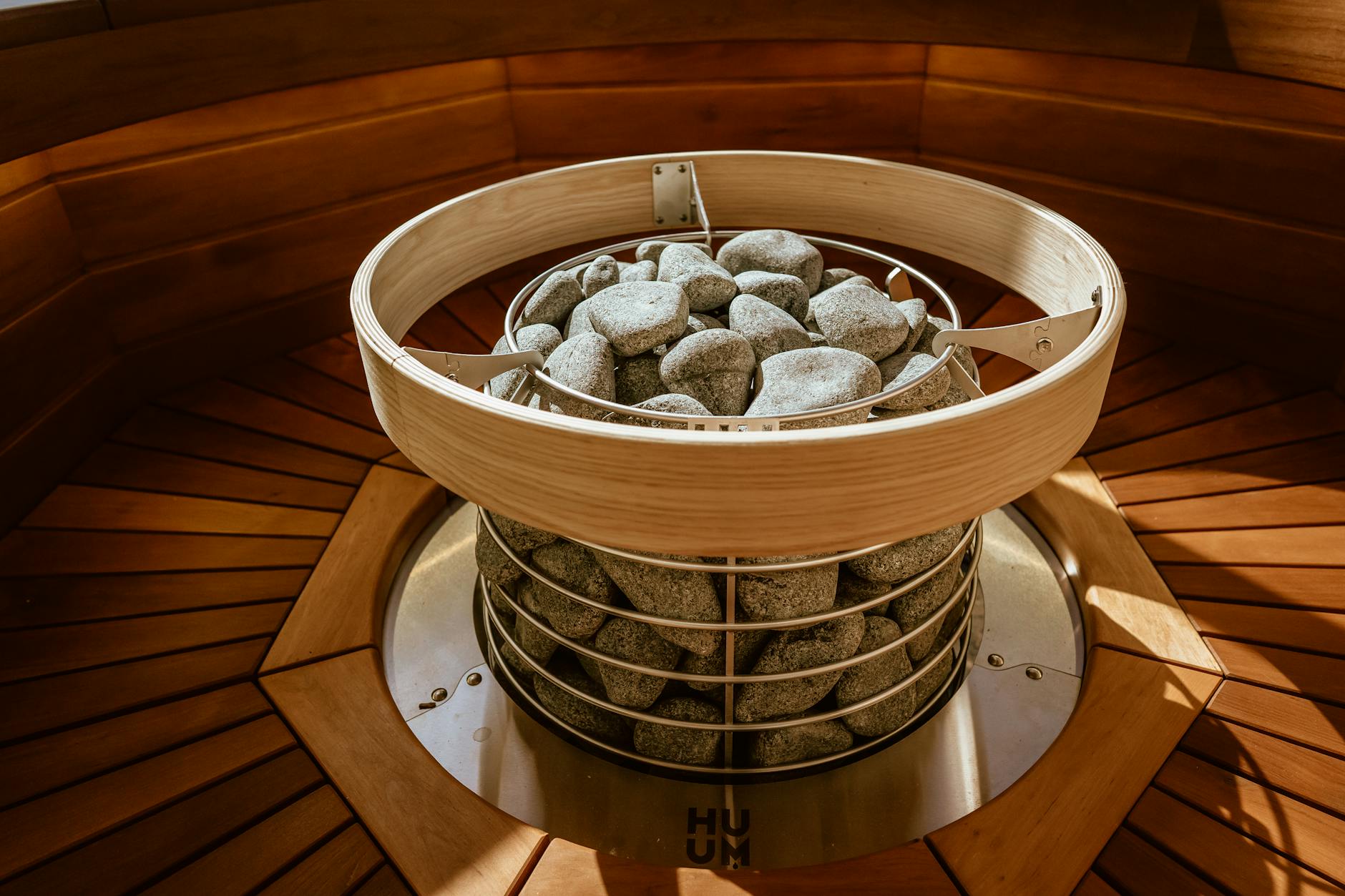
Regular sauna bathing produces multiple brain-protective effects that extend beyond simple stress relief. Heat exposure activates autophagy—the brain’s cellular cleaning mechanism—which clears damaged proteins and organelles that accumulate in Alzheimer’s disease. Studies show a 65% lower Alzheimer’s disease risk at the highest sauna frequency, while the same research cohort demonstrated a 66% dementia risk reduction for those using saunas most frequently. The optimal conditions for these benefits appear to be temperatures between 80 and 99 degrees Celsius (176 to 210 degrees Fahrenheit) for 5 to 14 minutes per session, according to analysis by the Alzheimer’s Drug Discovery Foundation.
However, a critical limitation exists: most sauna research originates from Finland, where sauna culture is lifelong and deeply integrated. A 52-year-old in Wisconsin who discovers sauna benefits through research may experience different results than participants in Finnish studies, where genetic factors, lifetime sauna exposure from infancy, and cultural consistency differ substantially. Additionally, sauna benefits require consistency—the protective effect appears specifically in those using saunas regularly, not sporadically. One study participant who used saunas 4 to 7 times weekly showed 66% lower dementia risk, but someone using a sauna twice monthly would not capture these benefits.
Understanding Air Pollution’s Impact on Cognitive Decline
Air pollution ranks among the most modifiable risk factors for dementia, yet remains overlooked in clinical dementia prevention discussions. Each 10 microgram per cubic meter increase in PM2.5 exposure correlates with a 17% increased dementia risk, while each 1 μg/m³ increment associates with a 10% higher Alzheimer’s risk. These fine particles, smaller than the width of a human hair, penetrate deep into lung tissue and directly translocate to the brain via the olfactory nerve or through systemic inflammation pathways. A 71-year-old woman living one mile from a busy interstate highway absorbed far higher PM2.5 levels than her sister living in a rural area fifteen miles away—yet both attended the same family gatherings and shared identical genetics, making air pollution one of the few environmental variables they could control independently.
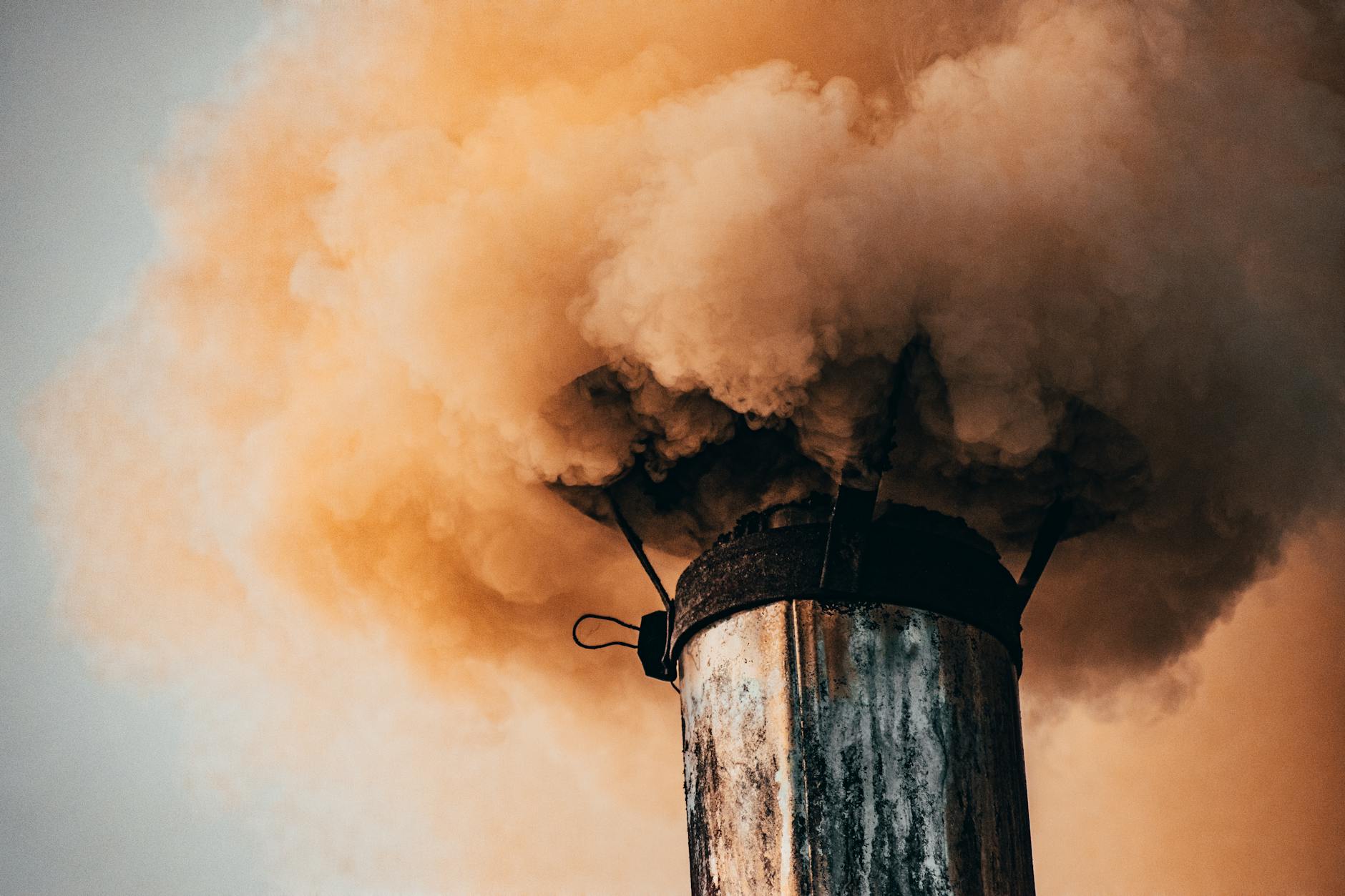
The public health scale of air pollution’s impact dwarfs most individual risk factors. Approximately 188,000 dementia cases annually in the United States may be attributable to PM2.5 exposure, according to research published in the Proceedings of the National Academy of Sciences. This means that reducing population-level air pollution through policy change might prevent more dementia cases than any pharmaceutical intervention currently available. The limitation here is practical: individual action (relocating, using air filters, avoiding high-traffic areas) addresses personal exposure but does not resolve the broader infrastructure problem that generates pollution in the first place.
A Two-Pronged Approach to Reducing Your Dementia Risk
The most powerful dementia prevention strategy available today combines multiple modifiable factors rather than relying on any single intervention. While each protective factor (sauna use, clean air, exercise, cognitive stimulation, Mediterranean diet) offers independent benefits, the cumulative effect magnifies. A 64-year-old manager implemented both strategies simultaneously: she joined a sauna facility offering four sessions weekly and moved to a neighborhood with 60% lower traffic density and PM2.5 concentrations. These parallel interventions addressed complementary mechanisms—cardiovascular resilience and oxidative stress prevention respectively.
Comparing scenarios illustrates the potential magnitude: one individual might reduce their dementia risk by 50% through sauna use alone, gaining another 15% reduction through air quality improvement and lifestyle changes, resulting in a cumulative protective effect substantially exceeding either intervention alone. However, this is not additive mathematics but rather risk factor modification across multiple pathways. The practical tradeoff involves cost (sauna access or relocation) and feasibility (some neighborhoods offer limited air quality improvement options without moving). For those unable to relocate, stationary air filtration systems can reduce indoor PM2.5 by 30 to 50%, capturing some benefit without environmental relocation.
Practical Limitations and Barriers to Both Interventions
Translating research into personal practice reveals significant gaps between ideal and achievable. Sauna studies primarily involve Finnish participants with genetic and cultural factors that may not generalize. A 58-year-old in Arizona might access sauna facilities less readily than a Finn with one in nearly every neighborhood, and the heat itself may be contraindicated for those with certain cardiovascular conditions or uncontrolled hypertension. Medical screening before beginning regular sauna use remains essential, particularly for those over 60 or with existing cardiovascular disease. Additionally, sauna frequency studied in research (4 to 7 times weekly) requires substantial commitment and expense for most people globally.
Air pollution reduction faces equally formidable practical barriers. You cannot individually solve traffic congestion or industrial emissions—factors largely determined by policy and geography. Someone living in a major metropolitan area cannot simply relocate, nor can they fully escape pollution through personal choices alone. HEPA filtration systems reduce indoor air exposure but do not address the hours spent outdoors, in vehicles, or commuting. A warning: relying solely on these interventions while neglecting other dementia risk factors (cognitive engagement, physical activity, Mediterranean diet, social connection, hearing correction) represents incomplete prevention strategy. The evidence suggests that sauna use and clean air are individual components of a comprehensive approach, not standalone solutions.

Measuring Your Exposure and Progress
Understanding your personal air pollution exposure requires moving beyond intuition to quantifiable measurement. Air quality index (AQI) data, available freely through EPA websites and smartphone applications, provides hourly and daily PM2.5 readings for your specific location. A 61-year-old in Los Angeles checking daily AQI readings discovered that her neighborhood experienced 85 days yearly with PM2.5 levels exceeding recommended standards—information that motivated both her relocation decision and use of home air filtration on high-pollution days.
By moving five miles away to a neighborhood with 40% lower traffic density, she reduced her annual exposure substantially while simultaneously establishing a sauna routine three times weekly. Tracking sauna adherence matters equally: research participants who maintained 4 to 7 sessions weekly showed maximum benefit, while those inconsistently attending captured reduced protection. Simple logging—a calendar marking sauna sessions or smartphone reminders—helps maintain the consistency that research suggests is necessary. For those unable to access traditional saunas, emerging evidence suggests that infrared saunas and heat therapy may produce similar effects, though research remains limited compared to traditional Finnish sauna studies.
The Future of Environmental and Lifestyle Interventions for Brain Health
The next decade will likely bring increased research examining how lifestyle factors combine synergistically for cognitive protection. Current studies focus on individual interventions (sauna use or air quality separately), but emerging research will address whether combining these factors produces effects exceeding what current mathematics would predict. Neuroscientists are investigating whether heat-induced autophagy combined with reduced particulate exposure creates particularly protective conditions in neural tissue.
Policy-level changes may ultimately prove more impactful than individual interventions. Cities investing in electric public transportation, traffic reduction, industrial emission controls, and green space expansion address air pollution at its source rather than asking individuals to flee polluted areas. As dementia awareness increases and research continues linking environmental factors to cognitive health, the pressure for comprehensive environmental policy approaches intensifies. The future likely involves both personal interventions (sauna use, home filtration) and systemic changes that make clean air the default rather than a luxury for those who can afford relocation.
Conclusion
The evidence supporting combined sauna use and air pollution reduction for dementia prevention represents some of the most practical and immediately actionable cognitive health guidance available today. While no single study directly examines these factors together, the 66% dementia risk reduction associated with frequent sauna use and the 15 to 17% risk reduction from improved air quality demonstrate that multiple modifiable pathways exist for cognitive protection.
A comprehensive prevention strategy addresses both the physiological benefits of heat exposure (cardiovascular resilience, cellular cleanup, neuroprotection) and the reduction of environmental toxins that accumulate in brain tissue and trigger neuroinflammation. Your next step involves honest assessment of your current sauna access and air pollution exposure, followed by targeted action on whichever factor presents the greatest opportunity for improvement in your life. Whether that means joining a sauna facility, relocating to a cleaner neighborhood, installing home air filtration, or most likely—combining multiple approaches—the emerging evidence strongly supports taking action rather than waiting for the perfect intervention.
You Might Also Like
- Combining socializing weekly and reducing air pollution exposure Cuts Dementia Risk Dramatically
- Combining mindfulness practice and attending religious services Cuts Dementia Risk Dramatically
- Combining meditation and cycling Cuts Dementia Risk Dramatically
For more, see National Institute on Aging.