Reviewed by the Help Dementia Editorial Team — our editors review every article for accuracy against guidance from the National Institute on Aging, the Alzheimer’s Association, and peer-reviewed sources.
Small lifestyle sits at the center of this dementia and brain health question.
Learning a new language can sharpen your brain at any age—and research now shows this effect may be profound enough to slow biological brain aging itself. A massive study analyzing data from over 86,000 healthy individuals aged 51 to 91 across 27 European countries found that multilingual people are 50% less likely to show signs of biological brain aging compared to those who speak only one language. This isn’t about becoming fluent in weeks; it’s about how the sustained mental challenge of acquiring language rewires your brain in ways that protect against cognitive decline. The benefits are real and measurable. People who speak multiple languages show greater gray matter volume in key regions of the brain, enhanced connectivity between brain networks, and improved cognitive control even in later life.
Consider Margaret, a 62-year-old retired teacher who began learning Spanish three years ago. Her neuropsychological testing showed improvements in processing speed and working memory that her doctor attributed partly to this new cognitive engagement. The change didn’t require dramatic life upheaval—just consistent practice, a few hours per week, with meaningful results. What makes this finding particularly relevant for brain health is that the protective effect persists even after accounting for wealth and education. This means the benefit isn’t simply that educated people learn languages; rather, the act of learning a language itself appears to trigger the protective response.
Table of Contents
- How Does Language Learning Protect the Aging Brain?
- The Brain Changes That Matter for Aging and Dementia Prevention
- The Speed of Change: How Quickly Does the Brain Respond to Language Learning?
- Starting a Language Learning Practice at Any Age: Practical Approaches and Tradeoffs
- Challenges, Plateaus, and When Language Learning Gets Harder
- Language Learning Compared to Other Brain Health Activities
- The Future of Language Learning and Brain Health Science
- Conclusion
How Does Language Learning Protect the Aging Brain?
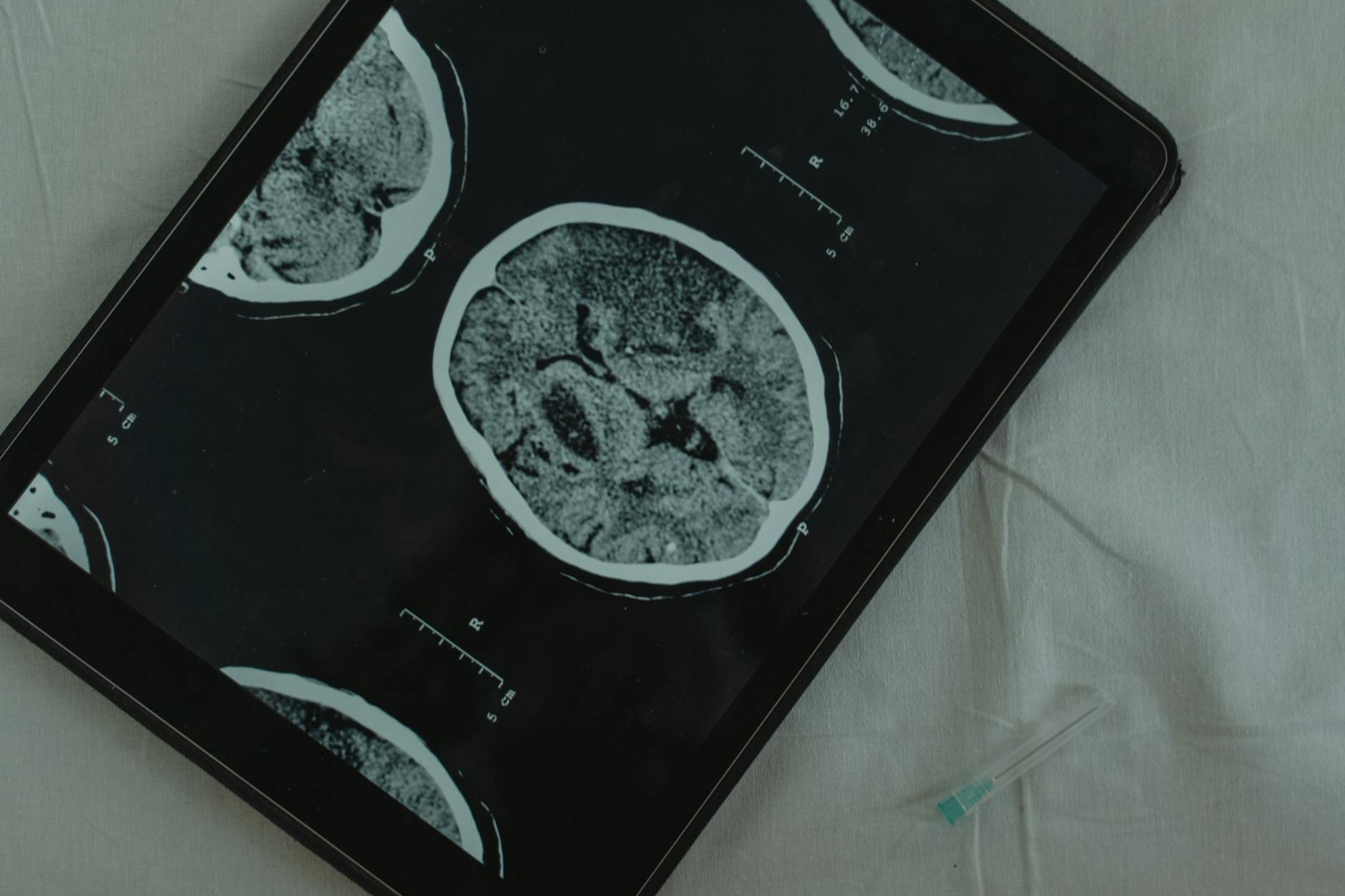
When you learn a new language, your brain doesn’t just add vocabulary to an existing filing system. It restructures itself. Bilingual brains develop measurably greater gray matter volume than monolingual brains in specific regions: the anterior cingulate cortex (ACC), which handles attention and decision-making; the inferior parietal lobule (IPL), involved in memory and integration; the inferior frontal gyrus (IFG), crucial for language processing and cognitive control; and the basal ganglia, which coordinate motor control and habit formation. Beyond physical structure, bilingual brains show higher global efficiency than monolingual brains. This means information travels more effectively across different brain networks, creating better functional integration.
Imagine your brain as a city: monolingual brains might have efficient individual neighborhoods, but bilingual brains develop better infrastructure connecting those neighborhoods. This enhanced connectivity appears to be one mechanism underlying the protective effect against age-related cognitive decline. The effect appears to compound over time. Someone who has spoken two languages since childhood has different brain architecture than someone who learns a second language at 50. But here’s what’s encouraging: even late-life language learners show measurable improvements. research on older adults shows that language learning in later years enhances cognitive control performance and triggers functional neuroplasticity—the brain’s ability to reorganize and form new neural connections—in cognitive control brain regions.

The Brain Changes That Matter for Aging and Dementia Prevention
The specific brain regions that enlarge in bilinguals aren’t random. The anterior cingulate cortex, for instance, is involved in attention, emotional regulation, and executive function—all areas vulnerable in early cognitive decline. The basal ganglia are crucial for procedural memory and coordination, systems that deteriorate in Parkinson’s and other neurodegenerative conditions. By strengthening these regions, language learning may create a kind of cognitive reserve that buffers against damage from aging and disease. Here’s an important limitation, though: this research shows correlation and mechanistic evidence, not proof of prevention.
While bilingual individuals show less biological brain aging and better cognitive test scores, we don’t yet have decades-long studies proving that learning a language at 60 actually prevents dementia diagnosis at 85. The studies are strong and the mechanisms are plausible, but the final word on dementia prevention requires longer follow-up. This doesn’t diminish the value of language learning—enhanced cognitive function and brain structure are genuine benefits—but it’s worth holding this important caveat in mind. Another consideration: these benefits appear strongest with active, sustained language use. Someone who learned French 30 years ago but never uses it may not retain the same protective benefits as someone actively practicing. The brain, like muscle, responds to the challenge it faces now, not historical accomplishment.
The Speed of Change: How Quickly Does the Brain Respond to Language Learning?
One of the most striking findings from recent neuroscience is how quickly the brain responds to language learning. Short-term second language training in adults—we’re talking weeks to months—is enough to strengthen functional connectivity between brain regions and induce measurable structural brain changes. Researchers at the Max Planck Institute documented these shifts through imaging studies, finding that sustained language practice literally rewires communication pathways in the brain. This rapid response explains why even someone starting language lessons at 70 can expect real neurological benefits. You don’t need to wait years to see changes on a brain scan.
A person who commits to 20-30 minutes of daily language practice might see improved connectivity within months, and continued practice over a year or two can show structural changes in gray matter volume. The timeline is encouraging because it means the investment pays dividends relatively quickly. Consider the difference between passive and active learning. Someone who watches foreign films without subtitles gets modest benefit. Someone who engages in conversation—struggling to form sentences, listening to native speakers, making mistakes and correcting them—drives much more substantial brain changes. The difficulty itself, the challenge of working in that language, appears to be where the protective power lies.
Starting a Language Learning Practice at Any Age: Practical Approaches and Tradeoffs
If you’re considering learning a language for brain health, you’ll face practical choices about how to invest your time and effort. There’s a tradeoff between ease and effectiveness. Apps like Duolingo are convenient and require minimal commitment—you can practice five minutes while waiting for coffee. But the research suggesting substantial brain changes typically involves more demanding engagement: conversation practice, structured study, or immersion experiences that challenge you to actively produce language rather than passively consume it. This doesn’t mean formal classes are the only option. Some people find conversation groups, language exchange partners, or travel-based immersion more engaging than sitting in a classroom.
Others work with private tutors who can tailor practice to their specific interests. A 68-year-old musician might make faster progress learning Italian by studying opera lyrics and listening to performances, while a former engineer might accelerate by reading technical texts in another language. The most sustainable approach is often the one that aligns with your existing interests. There’s also a choice between depth and breadth. Should you invest years in becoming genuinely fluent in one language, or spread your effort across multiple languages? From a brain health perspective, deep engagement with one language appears more beneficial than scattered exposure to many. The protective effects in those research studies come from people who actually speak those languages regularly, not from people who dabbled in high school French.
Challenges, Plateaus, and When Language Learning Gets Harder
One common frustration is the intermediate plateau. Many language learners make quick progress in their first months, then hit a wall where improvement slows dramatically. This is actually when the brain is working hardest—moving from beginner-level pattern recognition to the complex, nuanced fluency that requires deeper neural reorganization. It’s also when many people quit, right when the cognitive challenge is greatest and potentially most protective. Another reality: motivation matters more than many people expect.
The brain responds to meaningful engagement, and if you’re forcing yourself through lessons you find tedious, you’ll likely quit before seeing the real benefits. This isn’t a limitation of language learning itself, but a practical one: sustainable practice requires that you find the learning either genuinely enjoyable or connected to something you value. A person learning Spanish to communicate with their grandchildren has more motivation than someone learning it because they read it might be good for their brain. For people with existing cognitive concerns or early memory loss, language learning presents both opportunity and potential frustration. Learning new information becomes harder, progress is slower, and there’s a real question about whether the activity becomes anxiety-provoking rather than cognitively protective. In these cases, working with a speech-language pathologist or cognitive rehabilitation specialist can help structure language learning to be appropriately challenging without becoming discouraging.

Language Learning Compared to Other Brain Health Activities
Language learning isn’t the only cognitive activity that strengthens the brain. Musical training, chess, complex hobbies, and rigorous reading all stimulate neural plasticity. So how does language learning compare? The research suggests it may be particularly powerful because it engages multiple brain systems simultaneously—memory, attention, hearing, speech production, pattern recognition, and social cognition if you’re practicing conversation. When you’re struggling to understand a native speaker or form a complex sentence, you’re challenging your brain across multiple domains at once.
That said, the specific benefits might vary. Music training appears particularly effective at enhancing auditory processing and motor coordination. Chess strengthens strategic thinking and working memory. Language learning seems to have a broader, more distributed effect on brain networks. The most brain-protective life might include multiple forms of cognitive engagement rather than relying on any single activity.
The Future of Language Learning and Brain Health Science
The research landscape is evolving rapidly. Current studies show strong associations between bilingualism and brain health, and emerging studies are beginning to establish causation—showing that learning a language causes the brain changes, not vice versa. Future research will likely clarify which languages are most protective, whether some learning methods produce better results than others, and how language learning interacts with other brain health factors like exercise, sleep, and social engagement.
There’s also growing interest in how different modalities of language learning—virtual reality immersion, AI conversation partners, traditional instruction—compare in their neurological effects. These technologies won’t replace meaningful human conversation, but they may make consistent practice more accessible for people with limited social opportunities or mobility constraints. The fundamental insight—that learning a new language strengthens the aging brain—is increasingly solid. The practical optimization of how to make that learning most effective and sustainable is still being refined.
Conclusion
Learning a new language at any age offers a genuine form of cognitive protection. The evidence is substantial: multilingual individuals show measurably different brain structure, enhanced neural connectivity, and slower biological brain aging compared to monolinguals. This benefit persists across different education and wealth levels, suggesting the language learning itself, not just general education, drives the effect. Whether you’re in your 50s, 60s, 70s, or beyond, starting language learning now can trigger rewiring in regions critical to memory, attention, and cognitive control.
The practical path forward is to choose an approach that you’ll sustain—whether that’s conversation groups, formal classes, private tutoring, or a combination. The intensity and engagement matter more than the method. If you’re concerned about brain aging or dementia risk, language learning shouldn’t replace other proven brain health practices like exercise, quality sleep, and social engagement, but it’s a valuable addition to that picture. The brain you have right now is capable of learning and changing. A new language is a concrete way to challenge it, strengthen it, and protect it as you age.
You Might Also Like
- Small Lifestyle Change: yoga Linked to Sharper Brain at Any Age
- Small Lifestyle Change: walking 30 minutes daily Linked to Sharper Brain at Any Age
- Small Lifestyle Change: taking 8,000 steps a day Linked to Sharper Brain at Any Age
For more, see National Institute on Aging.