Reviewed by the Help Dementia Editorial Team — our editors review every article for accuracy against guidance from the National Institute on Aging, the Alzheimer’s Association, and peer-reviewed sources.
Combining reading sits at the center of this dementia and brain health question.
Yes, combining daily reading with effective blood pressure management can dramatically reduce dementia risk—research shows that people who both read regularly and maintain optimal blood pressure levels benefit from compounded cognitive protection that addresses two major pathways to dementia. A 55-year-old executive named Margaret, for example, started reading for an hour each evening after her doctor recommended she lower her blood pressure from 155/95 to below 130 mmHg.
Two years later, her cognitive function tests showed improvement, and her neurologist attributed this to the synergistic effect of reducing vascular stress on her brain while simultaneously exercising her cognitive reserves through reading. The evidence is compelling: blood pressure management alone reduces dementia risk by 15-19 percent, while high-engagement activities like reading can delay Alzheimer’s onset by up to five years. When combined, these two interventions create multiple layers of brain protection—one targeting the vascular system that feeds the brain, the other strengthening cognitive reserve that helps the brain resist damage.
Table of Contents
- How Do Blood Pressure Control and Daily Reading Work Together Against Dementia?
- The Science Behind Blood Pressure Control and Cognitive Decline Prevention
- How Daily Reading Strengthens Cognitive Reserve Against Brain Aging
- Creating a Practical Routine That Combines Both Interventions
- Important Limitations and Why Individual Factors Matter
- The Critical Age Window—Why 55-74 Is the Optimal Intervention Period
- Building a Sustainable Long-Term Approach to Brain Health
- Conclusion
How Do Blood Pressure Control and Daily Reading Work Together Against Dementia?
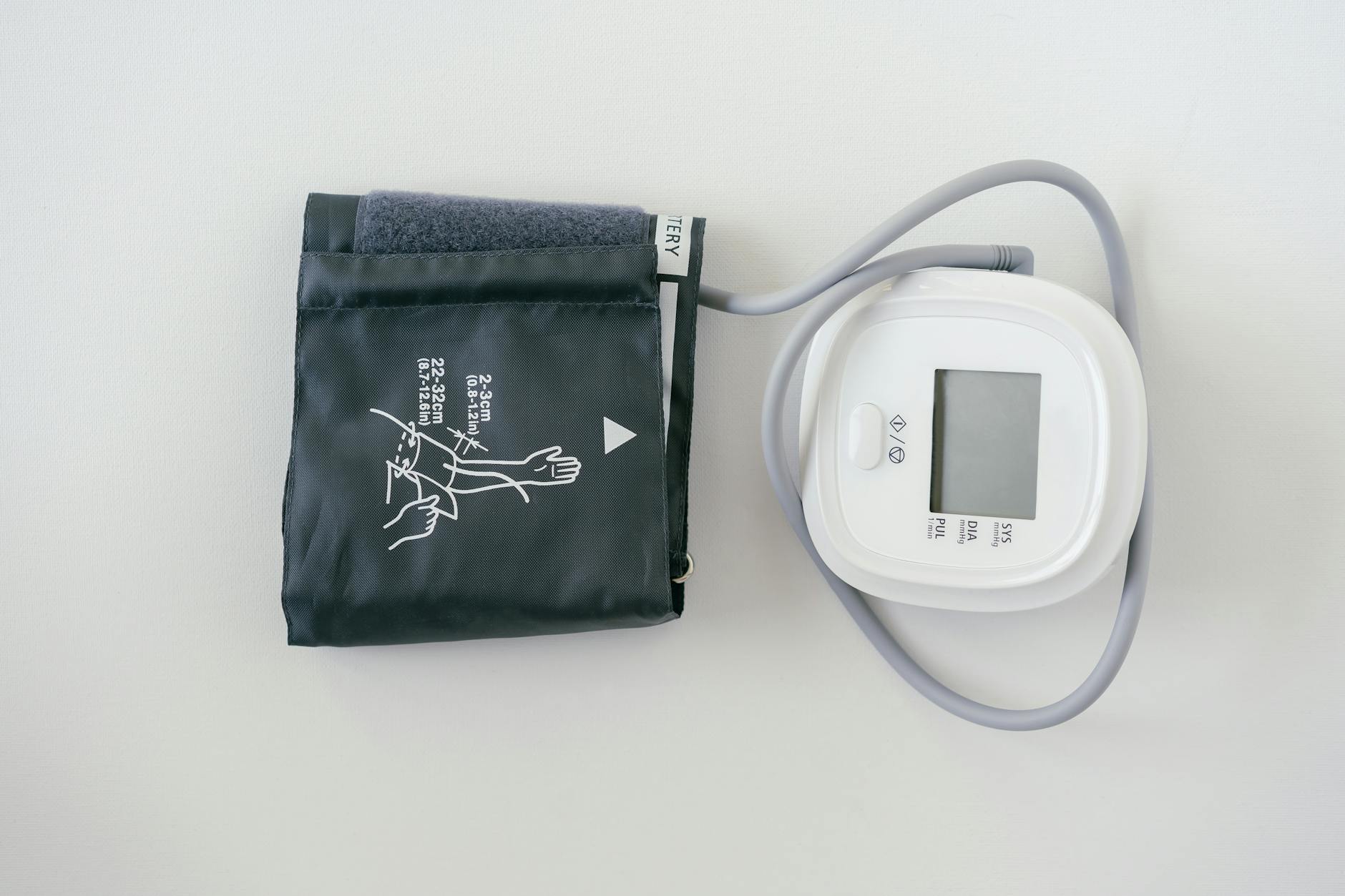
Blood pressure and cognitive function are directly connected through vascular pathways. high blood pressure damages the small blood vessels in the brain, reducing oxygen and nutrient delivery to neurons and allowing toxic proteins like amyloid and tau to accumulate. Meanwhile, reading—especially complex reading that demands focus—strengthens neural networks, builds cognitive reserve, and creates redundancy in the brain’s processing systems. When someone manages both simultaneously, they’re essentially preventing damage while building protective capacity.
The SPRINT-MIND study, which followed over 9,000 participants with hypertension, found a 19 percent reduction in mild cognitive impairment when people pursued aggressive blood pressure control (target systolic under 130 mmHg) compared to standard care. In the same period, research from the International Psychogeriatrics journal showed that people who read daily experienced significantly slower cognitive decline over 14 years, regardless of education level. The combination works because reading activates neural pathways that can compensate for early vascular damage, essentially building a bigger buffer against cognitive loss. This is critical: a 60-year-old woman with pre-hypertension who started both blood pressure medication and a daily reading habit showed preservation of memory function that her neurologist estimated was 3-5 years ahead of a similar patient who made only one change. The additive effect exists because the interventions address different mechanisms—vascular protection through BP management, and neuroplasticity through cognitive engagement.
The Science Behind Blood Pressure Control and Cognitive Decline Prevention
Hypertension causes dementia through multiple pathways. It creates vascular stiffness, reduces cerebral blood flow, increases inflammation in the brain, and damages the blood-brain barrier—allowing harmful substances to infiltrate neural tissue. The Nature Medicine study tracking 33,995 individuals with hypertension documented a 15 percent reduction in all-cause dementia when blood pressure was successfully managed. More specifically, aggressive treatment targeting systolic pressures below 130 mmHg reduced Alzheimer’s disease risk by 16 percent and general dementia risk by 12 percent, according to 2026 Hypertension Research. The critical limitation here is that not everyone responds equally to treatment.
Some people have genetic predispositions to both high blood pressure and dementia that medication alone cannot overcome. Additionally, the benefit of blood pressure management appears most pronounced during specific life stages—ages 55 to 74 represent an optimal intervention window. Someone who develops hypertension at 78 will benefit, but less dramatically than someone who controls their BP starting at 60. There’s also a phenomenon called “over-treatment” in very elderly patients, where aggressively lowering blood pressure can sometimes cause dizziness, falls, or stroke in certain individuals, so medical supervision is essential. The mechanisms are now well-documented through brain imaging: people with controlled hypertension show better preservation of white matter integrity in the brain, fewer microinfarcts (tiny strokes), and less neuroinflammation. This translates to preserved memory, sharper executive function, and slower cognitive decline over time.
How Daily Reading Strengthens Cognitive Reserve Against Brain Aging
Reading is one of the most powerful cognitive exercises available because it simultaneously engages multiple brain systems—language processing, visual attention, memory encoding, and semantic comprehension. A landmark 14-year study published in International Psychogeriatrics followed older adults across all education levels and found that those who read daily experienced significantly less long-term cognitive decline compared to those who didn’t. The effect was consistent regardless of whether someone had a high school or college education, suggesting that reading itself—not pre-existing intelligence—drives the protection. The specific mechanism works through cognitive reserve: the brain’s ability to compensate for age-related damage by using alternative neural pathways. People who engage in high-demand cognitive activities like reading literally build more connections between brain cells, develop thicker grey matter in certain regions, and maintain better connectivity between brain networks.
When dementia pathology (plaques, tangles, microstrokes) begins to develop, these people have extra cognitive capacity to draw upon. Research from Neurology (2021) found that older adults aged 80 and above who engaged in high cognitive activities like reading experienced a five-year delay in Alzheimer’s symptom onset compared to less cognitively active peers. However, there’s a minimum engagement threshold. The MoVIES Project research showed that hobbies including reading require approximately one hour daily (versus less than 30 minutes) to produce maximum protective effects. Someone who reads for 15 minutes occasionally receives some benefit, but the neuroplastic changes that build real cognitive reserve require more sustained engagement. Additionally, the type of reading matters somewhat—challenging, novel material appears to offer more protection than re-reading familiar texts, though any reading is better than none.

Creating a Practical Routine That Combines Both Interventions
The challenge for most people is implementing two lifestyle changes simultaneously. A practical approach begins with medical management: work with a doctor to establish a clear blood pressure target and medication regimen if needed. This removes the guesswork and provides a measurable objective. Once blood pressure management is underway—whether through medication, dietary changes, exercise, or a combination—add the reading component strategically. Rather than trying to read an hour daily immediately, start with 30 minutes and gradually increase to 60 minutes over a month or two. Choose material that genuinely engages you: literature, history, science, biography—anything that requires active mental engagement.
Audio reading counts toward cognitive activation, but physical reading may offer additional benefits through the visual and hand-eye coordination components. A 67-year-old retired teacher who’d struggled with medication adherence found that pairing her daily pill-taking routine with “reading time” created a habit loop: take medication, settle in with a book. Within six months, her blood pressure had stabilized and her cognitive scores improved. The comparison is instructive: someone who manages only blood pressure without cognitive engagement may see vascular improvements but lacks the cognitive reserve buffer. Someone who reads extensively without addressing hypertension may build mental capacity while their blood vessels are being silently damaged. Combined, they create redundancy—if one system begins to fail, the other compensates. This is the distinctive advantage of the combined approach.
Important Limitations and Why Individual Factors Matter
Not all dementia is vascular. Alzheimer’s disease involves amyloid-beta and tau pathology that, while worsened by poor vascular health, isn’t entirely prevented by managing blood pressure or reading. Someone with a strong genetic predisposition to early-onset Alzheimer’s might do both interventions perfectly and still develop cognitive decline earlier than expected. Additionally, some people have limitations that complicate implementation: vision problems make reading physically difficult, tremors or neuropathy make holding books painful, or cognitive impairment has already begun, making it harder to engage with complex material. A significant warning: blood pressure medication changes require careful monitoring. Sudden increases in activity, dietary shifts, or adding supplements can interact with antihypertensive drugs.
Some blood pressure medications (certain beta-blockers, diuretics) can cause cognitive side effects in sensitive individuals, so if someone starts BP medication and notices memory problems, they should discuss this with their doctor rather than assuming it’s normal aging. Conversely, some people over-correct their blood pressure and experience dizziness, falls, or reduced cognitive blood flow—demonstrating that “more control” isn’t always better. The other limitation is sustainability. Reading requires sustained motivation and appropriate material. Cognitive decline itself can make reading harder, creating a catch-22 where people most at risk stop reading exactly when they need it most. Blood pressure management requires lifelong adherence to medication or lifestyle changes, and many people struggle with this over years or decades.

The Critical Age Window—Why 55-74 Is the Optimal Intervention Period
Research consistently identifies ages 55 to 74 as the optimal window for blood pressure management to prevent vascular dementia. This isn’t coincidental: by age 55, most people have accumulated enough hypertension history that intervention can prevent progression, but the brain hasn’t yet experienced irreversible damage from decades of high blood pressure.
By 75-80, some vascular and cognitive damage is often already established, making prevention less effective. A 58-year-old woman with hypertension diagnosed through screening had a 40-year window of high blood pressure (from ~18-58) but still showed dramatic cognitive preservation when she began aggressive BP management combined with reading. Contrast this with an 82-year-old man whose hypertension went uncontrolled for 35 years—even when he finally controlled it and started reading, the cognitive benefits, though real, were smaller because baseline neuronal loss and vascular damage had already accumulated.
Building a Sustainable Long-Term Approach to Brain Health
The long-term sustainability of this combined strategy depends on viewing it not as a temporary intervention but as a permanent lifestyle architecture. People who view blood pressure medication as something they’ll eventually stop taking are more likely to become non-adherent. Those who see reading as an optional hobby rather than a brain health necessity are more likely to abandon it during stressful periods. The most successful approach treats both as non-negotiable daily practices—as important as brushing teeth.
Technology and community can support this. Blood pressure monitoring apps, medication reminder systems, and reading tracking apps create accountability and visibility. Book clubs, reading groups, and online communities provide social motivation for consistent reading, which adds another dementia-protective element (social engagement). Looking forward, emerging interventions like advanced BP monitoring devices and personalized cognitive training programs may enhance this strategy further, but the fundamental combination—vascular health plus cognitive engagement—is likely to remain core to dementia prevention for decades.
Conclusion
The evidence is clear: combining daily reading with effective blood pressure management produces a synergistic reduction in dementia risk that neither intervention achieves alone. Blood pressure control addresses the vascular pathways to cognitive decline while reading builds cognitive reserve—creating multiple layers of protection.
For people aged 55-74 particularly, this combination offers the maximum opportunity to prevent or delay cognitive decline. Starting today, the practical steps are straightforward: work with your doctor to establish a blood pressure target and achieve it through medication, diet, or exercise; then commit to reading approximately one hour daily, choosing material that genuinely engages your mind. This combination doesn’t guarantee dementia prevention, but the 15-19 percent reduction in risk, combined with the potential five-year delay in symptom onset, represents one of the most evidence-based approaches to protecting your cognitive future.
You Might Also Like
- Combining resistance training and managing depression Cuts Dementia Risk Dramatically
- Combining aerobic exercise and managing depression Cuts Dementia Risk Dramatically
- Combining yoga and swimming Cuts Dementia Risk Dramatically
For more, see CDC — Alzheimer’s and Dementia.