Reviewed by the Help Dementia Editorial Team — our editors review every article for accuracy against guidance from the National Institute on Aging, the Alzheimer’s Association, and peer-reviewed sources.
Small lifestyle sits at the center of this dementia and brain health question.
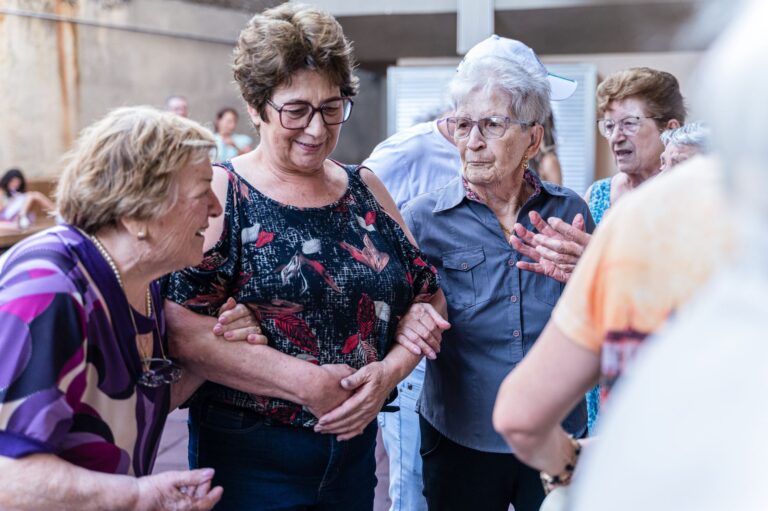
Recent research shows that attending religious services more than once a week is associated with measurable improvements in brain function, including better global cognition and stronger verbal memory—benefits that hold across different ages. A landmark study following thousands of people found that those who attended religious services frequently showed cognitive performance advantages equivalent to about 0.14 standard deviations in overall brain function and 0.17 standard deviations in memory, compared to people who never attended. For context, these gains are meaningful when thinking about maintaining independence and quality of life as we age. Consider Margaret, a 68-year-old who joined a weekly Bible study group at her church after her husband passed away.
Within a year, her family noticed she was more engaged in conversations, better able to follow complex discussions, and more mentally sharp overall—changes her neurologist later attributed partly to the cognitive stimulation and social connection of her newfound routine. The connection between religious participation and brain health isn’t new to researchers, but recent studies have made the relationship more precise and nuanced. Religious service attendance combines several brain-boosting activities: singing, prayer, memory work involving scripture, sustained social interaction, and often physical movement. These activities work together to maintain and strengthen neural connections, particularly in areas governing memory and overall cognitive function. However, the research also reveals important trade-offs worth understanding, especially for those in midlife, which we’ll explore throughout this article.
Table of Contents
- What Does the Research Say About Religious Service Attendance and Brain Health?
- Race, Ethnicity, and Individual Variation in Cognitive Benefits
- How Do Religious Practices Protect Brain Function?
- Cognitive Benefits Across Different Ages—A Lifespan Perspective
- Important Limitations and What We Don’t Know Yet
- Building a Balanced Brain Health Strategy Around Religious Participation
- Looking Forward—Research Questions and Emerging Understanding
- Conclusion
What Does the Research Say About Religious Service Attendance and Brain Health?
The most comprehensive evidence comes from the CARDIA Study (Coronary Artery Risk Development in Young Adults), which tracked cognitive outcomes in adults over many years and found a clear dose-response relationship: the more frequently someone attended religious services, the better their cognitive performance. People attending more than once weekly showed the strongest advantages in global cognition and verbal memory compared to those who never attended. The study also examined what happens at lower frequencies—attending weekly or a few times per year—and found benefits, though not as pronounced as with more frequent attendance. This suggests there may be a threshold effect, where consistent, regular participation delivers the most cognitive benefit. However, here’s where the research gets interesting and worth paying close attention to: the same CARDIA Study found that frequent religious service attendance was associated with *worse* executive function in midlife adults.
Executive function includes planning, problem-solving, mental flexibility, and impulse control—the skills we use to organize our day, manage complex tasks, and make decisions. This counterintuitive finding suggests that the relationship between religious participation and brain function is complex and age-dependent. A 45-year-old and a 75-year-old may experience different cognitive outcomes from the same activity, and understanding your own life stage matters when interpreting this research for your situation. The CARDIA findings highlight an important principle in brain health research: we can’t assume that one intervention benefits all aspects of cognition equally. Religious service attendance appears to be particularly protective for memory systems while potentially creating trade-offs in executive domains during midlife. This doesn’t mean midlife adults should avoid religious participation—only that the full picture is more nuanced than headlines sometimes suggest.
Race, Ethnicity, and Individual Variation in Cognitive Benefits
A 2025 analysis using Health and Retirement Study data examined whether religious service attendance’s effects on cognitive function are universal or vary by race and ethnicity. The findings revealed important differences. For Hispanic older adults, frequent attendance at religious services was associated with a slower rate of cognitive decline over time—meaning the brain-protective effects were particularly strong in this population. This benefit may reflect both the cognitive stimulation of participation and the strong cultural and family dimensions of religious life in many Hispanic communities.
In contrast, the same study found *no association* between religious involvement and cognitive function among non-Hispanic Black respondents, and an unexpected finding among non-Hispanic White adults: religious salience (how important religion is to someone’s identity and daily life) was associated with *lower* initial cognitive function. This doesn’t mean that Black or White older adults shouldn’t pursue religious engagement, but rather that other factors—possibly access to other forms of social engagement, educational background, or how religious participation fits into broader life patterns—may influence whether it translates to measurable cognitive benefits. This variation underscores a crucial limitation in brain health research: findings from large studies describe average effects in populations but don’t predict individual outcomes. These racial and ethnic differences also raise an important question for older adults: if the research shows benefits for one group but not another, how should you interpret results for yourself? The honest answer is that individual factors matter enormously. Your educational background, the richness of your social network, whether you already have strong cognitive reserve, and how meaningful you find religious participation all likely influence whether you’ll experience the documented benefits.
How Do Religious Practices Protect Brain Function?
Researchers have identified specific mechanisms through which religious participation strengthens the brain. Singing, which is common in religious services across traditions, activates multiple brain regions simultaneously and requires coordination of memory, motor function, and emotional processing. Prayer and meditation engage attention networks and areas associated with self-reflection. Studying scripture or sacred texts demands sustained mental effort, vocabulary recall, and abstract thinking. Beyond these cognitive exercises, religious services typically involve substantial social interaction—conversations before and after services, group discussions, and a sense of belonging to a community. Social engagement is one of the most consistently protective factors for brain health across all research populations. Research from Frontiers in Human Neuroscience in 2024 explains that these religious practices help maintain dense neocortical brain synapses—the connection points between neurons that allow information to flow throughout the brain.
Think of synapses as the physical basis of memory and thought. As we age, these connections naturally thin. Religious practices appear to slow this thinning by providing exactly the kind of regular, varied, cognitively challenging and socially embedded activity that delays cognitive deterioration. The mechanism isn’t magical; it’s the same principle behind why learning a new language or taking up a complex hobby protects the brain—novel, challenging, social activities preserve neural tissue. A related finding shows that people who are spiritually active exhibit enhanced connections within and between all three major brain networks (the default mode network, the salience network, and the central executive network) compared to people attending non-religious social activities like sports clubs. This suggests that religious practices may engage the brain in somewhat unique ways, though it’s important to note that the comparison group—sports clubs—also provides cognitive and social benefits. The distinction may be that religious participation adds layers of meaning-making and reflection that complement the physical and social stimulation.
Cognitive Benefits Across Different Ages—A Lifespan Perspective
The research suggests that religious service attendance’s effects on cognition shift across the lifespan. In midlife adults tracked in the CARDIA Study, the picture is mixed: strong gains in memory and global cognition, but concerning losses in executive function. By contrast, in older adults studied in 2025 research, the focus shifts almost entirely to slowing cognitive decline—the primary goal at ages 70, 80, and beyond. This makes sense neurologically: at 50, we’re often still building and refining cognitive skills, so a slight loss of flexibility might be more noticeable. At 75, when decline is a natural part of aging, anything that slows that decline is valuable. For people in their 40s and 50s, the executive function trade-off warrants attention.
If you’re in this life stage, you might ask: Are there other ways to get memory benefits without the executive function cost? The honest answer is that the research doesn’t yet tell us definitively. It could be that very frequent attendance (more than weekly) creates this trade-off while moderate attendance doesn’t, but the current studies don’t break down the data finely enough to answer this. If you’re midlife and considering increased religious participation, watching your own cognitive performance—perhaps informally, noticing whether you’re more or less organized and efficient—makes sense alongside any formal cognitive testing. For people over 65, the trade-off becomes largely irrelevant because the benefits for slowing decline are so valuable. Many older adults would gladly trade some executive sharpness for preservation of memory and global cognitive function, especially if it means maintaining independence and engagement longer. Age matters enormously in how to interpret and apply this research to your own situation.
Important Limitations and What We Don’t Know Yet
One critical limitation in all this research is the direction of causality. The studies we’ve discussed are observational, meaning researchers tracked people’s religious attendance and cognition but couldn’t randomly assign people to “attend services” or “don’t attend” groups. It’s possible that people with sharper brains are more likely to attend services regularly, rather than services making brains sharper. People with undiagnosed cognitive decline might also drop out of religious participation, skewing the sample. While researchers try to account for these possibilities statistically, the question of causality remains open. Another limitation: most of these studies involve predominantly Christian religious traditions and Western populations.
We don’t have comparable research on cognitive effects of attending mosque, temple, or synagogue services, or on participation in non-theistic spiritual communities. The mechanisms identified—social engagement, cognitive challenge, meaning-making—should theoretically apply across traditions, but the specific effects might differ. Additionally, people who attend religious services are often healthier overall, more educated, and wealthier on average than those who don’t—factors that independently protect cognition. Researchers attempt to control for these differences statistically, but residual confounding almost certainly exists. The 2025 finding that religious salience was associated with *lower* cognitive function in non-Hispanic White adults deserves particular attention because it contradicts some expectations. This could reflect reporting bias (people with memory problems might emphasize religious identity more), or it could reveal something real about how religious identity functions differently across racial groups. The research doesn’t yet explain this finding clearly, which should make us cautious about drawing firm conclusions.

Building a Balanced Brain Health Strategy Around Religious Participation
If you’re considering religious service attendance as part of a brain health strategy, it makes sense to integrate it with other protective practices rather than relying on it alone. Cardiovascular exercise, cognitive engagement through learning new skills, strong social connections, quality sleep, and a healthy diet all have independent evidence supporting their protective effects on the brain. Religious participation is best thought of as one component of a comprehensive approach, particularly valuable because it combines multiple benefits simultaneously: physical activity (sitting, standing, sometimes walking or dancing), cognitive engagement, social connection, and meaning-making. For people already active in religious communities, this research offers validation and motivation. You’re not just gaining spiritual or emotional benefits—though those matter—but also providing your brain with a workout that research suggests helps maintain memory and overall cognitive function.
For people not currently involved but interested in trying, starting with weekly attendance makes sense: it’s more sustainable for most people than daily participation, it’s a dose that research shows delivers benefits, and you can observe whether it feels cognitively engaging and socially enriching for you personally. Some people find religious services deeply stimulating; others find them repetitive or unfulfilling. Individual fit matters enormously. For those with early cognitive concerns, whether religious participation should increase, decrease, or stay the same should probably be discussed with a neurologist or cognitive specialist familiar with your specific situation. If you’re noticing memory slips, the addition of a cognitively engaging social activity might help, but if executive function is already struggling, very frequent attendance might not be optimal. Personalization based on your own cognitive strengths and weaknesses makes far more sense than following a generic recommendation.
Looking Forward—Research Questions and Emerging Understanding
As cognitive neuroscience advances, researchers are beginning to understand not just *whether* religious participation protects the brain, but *how specifically*—which neural networks get engaged, which practices matter most, and which populations benefit most. Future research will likely examine whether specific religious practices (contemplative prayer versus communal singing, for instance) have different effects, whether online or hybrid religious participation provides similar benefits to in-person attendance, and how to translate these findings into interventions for people already experiencing cognitive decline. One particularly promising area is understanding how to optimize religious participation for different life stages and populations.
If midlife adults experience executive function trade-offs, could a different pattern of attendance or type of practice avoid this? For older adults, what frequency and type of engagement maximizes cognitive benefit while remaining sustainable? These personalized questions are harder to answer than population-level associations, but they’re ultimately what matter most to individuals considering changes to their habits. The broader insight emerging from this research is that the brain remains remarkably plastic—changeable and responsive to our behaviors—throughout life. A lifestyle change as simple and accessible as attending religious services, which requires no equipment, no special fitness level, and no significant expense for many communities, can contribute measurably to cognitive health. This doesn’t mean it’s a cure or a replacement for other brain-protective strategies, but for people who find meaning and community in religious participation, the cognitive benefits offer additional reason to sustain that engagement.
Conclusion
Attending religious services more than once weekly is associated with better global cognition and stronger verbal memory across studies, with benefits that appear particularly strong for older adults and Hispanic populations. The research reveals a complex picture: while memory and overall cognitive function improve, midlife adults sometimes experience trade-offs in executive function, and benefits vary by race and ethnicity. The mechanisms are well-understood—religious practices combine cognitive challenge, social engagement, physical activity, and meaning-making in ways that protect and preserve brain tissue.
If you’re considering religious participation for brain health, the evidence suggests it’s a worthwhile strategy, especially combined with other protective habits like exercise, social connection, and ongoing learning. Whether you’re already engaged in a religious community or exploring it for the first time, paying attention to your own cognitive experience—whether you feel more engaged, clearer-thinking, and more mentally sharp—matters as much as any research finding. For questions about how increased religious participation might fit into your specific cognitive health strategy, a conversation with your healthcare provider or neurologist makes sense, particularly if you have existing cognitive concerns.
You Might Also Like
- Small Lifestyle Change: volunteering Linked to Sharper Brain at Any Age
- Small Lifestyle Change: taking 8,000 steps a day Linked to Sharper Brain at Any Age
- Small Lifestyle Change: socializing weekly Linked to Sharper Brain at Any Age
For more, see National Institute on Aging.