Reviewed by the Help Dementia Editorial Team — our editors review every article for accuracy against guidance from the National Institute on Aging, the Alzheimer’s Association, and peer-reviewed sources.
Scientists reveal sits at the center of this dementia and brain health question.
Despite sensational headlines claiming matcha is “one of the worst foods for brain health,” the actual scientific evidence tells a very different story. After reviewing current peer-reviewed research, there is no credible scientific support for this claim. In fact, emerging studies suggest the opposite—that matcha may offer cognitive benefits, particularly for aging populations concerned about memory and brain function. The confusion likely stems from isolated studies taken out of context or misinterpretations of caffeine content.
Matcha does contain caffeine, and excessive caffeine consumption can cause side effects, but this is true of coffee, black tea, and many other beverages. For the dementia care community specifically, the evidence suggests matcha warrants consideration as part of a brain-healthy diet rather than avoidance. A 2024 study published in PLOS One found that matcha green tea powder showed significant improvements in social acuity and emotional perception in older adults with cognitive decline—exactly the population most concerned about brain health. This research contradicts the “worst food” narrative completely.
Table of Contents
- What Does the Scientific Evidence Actually Show About Matcha and Brain Health?
- The Caffeine Question—Where Confusion Often Starts
- What Studies Show About Matcha in Aging and Cognitive Decline
- How to Incorporate Matcha Safely if You’re Concerned About Brain Health
- The Problem With Sensational Health Headlines
- What Matters More Than Matcha for Brain Health
- Looking Forward—What Researchers Still Need to Understand
- Conclusion
What Does the Scientific Evidence Actually Show About Matcha and Brain Health?
Randomized clinical trials have demonstrated that matcha decreases stress and slightly enhances attention and memory in study participants. The research isn’t perfect—scientists note mixed results in some areas and call for more rigorous studies—but “harmful” is not supported by the data. A systematic review in Neurology acknowledged that while evidence is mixed with contradictory results across different populations, this uncertainty doesn’t translate to matcha being harmful. Harvard T.H. Chan School of Public Health noted that daily matcha may benefit brain, heart, and gut health.
This mainstream medical institution wouldn’t make such a claim without foundational evidence. The issue isn’t whether matcha is bad for your brain—it’s that more research is needed to fully understand which populations benefit most and at what dosages. Compare this to truly problematic foods for brain health: ultra-processed foods high in trans fats, sugary beverages that spike blood glucose, and alcohol consumed in excess. Matcha doesn’t belong in that category. The distinction matters enormously for people managing cognitive decline or trying to prevent dementia.
The Caffeine Question—Where Confusion Often Starts
One reason matcha gets negative coverage relates to its caffeine content. A typical serving contains 25-70 mg of caffeine, compared to 95-200 mg in a cup of coffee. Some people, particularly those sensitive to stimulants or with certain health conditions, should limit caffeine intake. But caffeine itself isn’t neurotoxic—it’s a widely used compound in medicine and beverages worldwide.
The real limitation with matcha isn’t the caffeine; it’s the quality variability. Matcha comes in different grades, and lower-quality varieties may contain higher pesticide residues or contaminants depending on growing conditions. This is a practical concern worth mentioning to anyone considering regular matcha consumption, but it’s a sourcing issue, not evidence that matcha fundamentally harms the brain. For caregivers managing someone with dementia who is sensitive to stimulants or experiencing sleep disruption, matcha might not be the ideal choice at certain times of day—but that’s a personalized consideration, not a universal rule against the food.
What Studies Show About Matcha in Aging and Cognitive Decline
The most compelling evidence for matcha comes from research specifically on older adults. Beyond the PLOS One study on emotional perception and social acuity, animal and human studies suggest matcha has potential to prevent vascular aging by protecting neuron density in the brain cortex. This mechanism is particularly relevant for people at risk of vascular dementia, where blood vessel health directly impacts cognitive function. These aren’t hypothetical benefits—researchers observed measurable improvements in people already experiencing cognitive decline.
An older adult struggling with memory loss who adds matcha to their routine may see modest cognitive improvements, according to current evidence. This is why dismissing matcha as “one of the worst foods” for this population is especially misleading. The neuroprotective compounds in matcha—particularly catechins and L-theanine—are the subject of active research. L-theanine, an amino acid unique to tea, promotes alpha brain wave activity associated with calm focus. This is not a marketing claim; it’s documented in peer-reviewed neuroscience literature.
How to Incorporate Matcha Safely if You’re Concerned About Brain Health
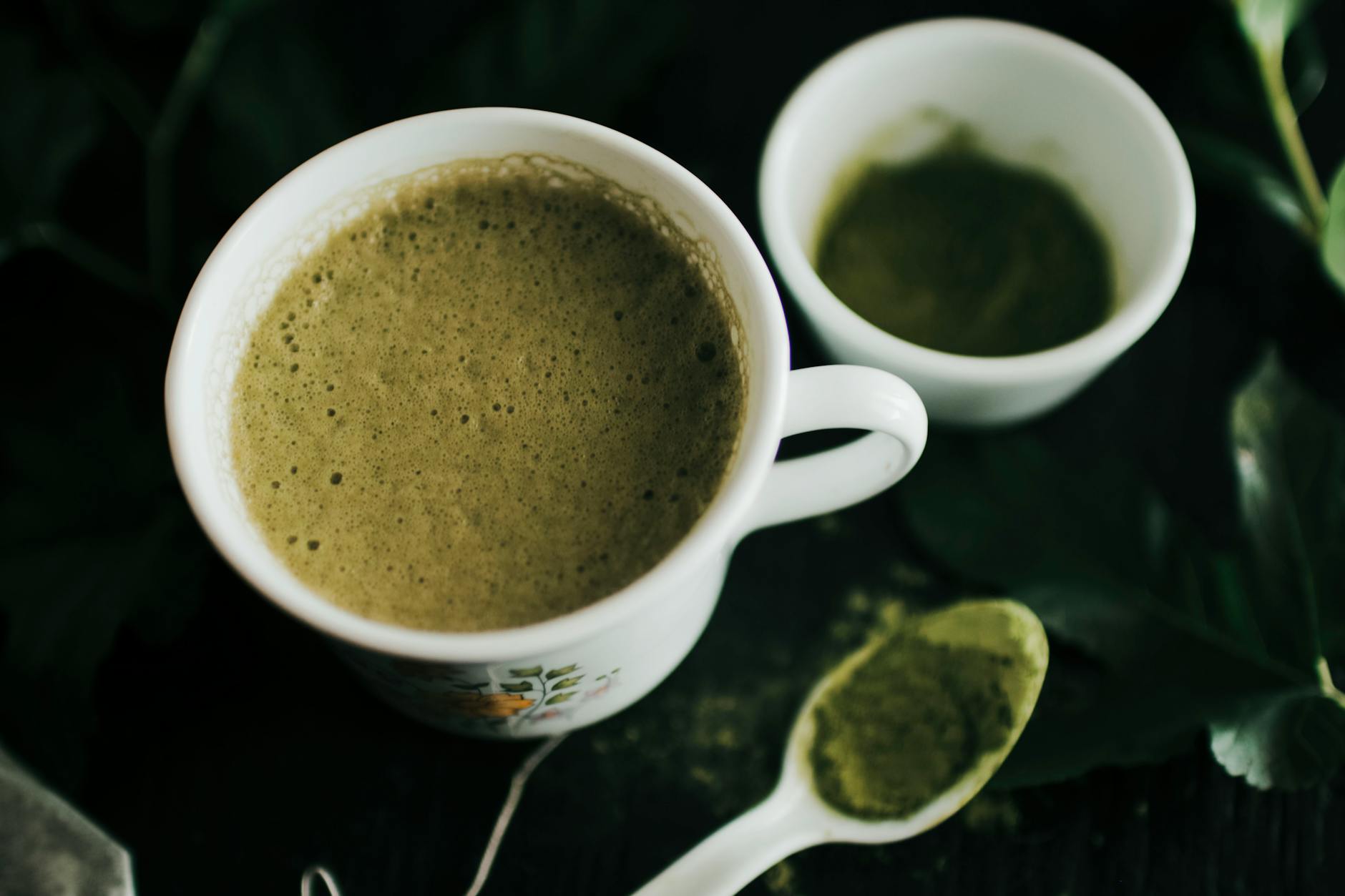
If you’re considering matcha as part of a dementia prevention strategy or brain health regimen, practical choices matter. Start with a half-teaspoon serving mixed into water or a small amount of milk to assess tolerance. This approach lets you avoid any negative reactions to caffeine while getting the potential cognitive benefits. Quality matters significantly. Ceremonial-grade matcha from reputable sources tends to have better quality control than grocery store varieties.
Budget-conscious options exist, but investing in quality reduces the risk of contaminants. For someone managing cognitive decline or on multiple medications, consulting with a healthcare provider before adding matcha is reasonable—not because matcha is inherently dangerous, but to ensure it doesn’t interact with existing treatments. Timing is worth considering. Because matcha contains caffeine, consuming it in the morning or early afternoon makes sense for most people, especially those managing sleep changes related to aging or cognitive decline. An afternoon cup is unlikely to cause problems for most people, but individual responses vary.
The Problem With Sensational Health Headlines
The “worst foods for brain health” narrative illustrates a broader problem in health journalism—attention-grabbing claims that don’t match scientific reality. These headlines generate clicks but mislead people, particularly vulnerable populations like caregivers and patients managing dementia. When someone reads that matcha is harmful and then encounters research suggesting it’s beneficial, confusion understandably follows. This matters because people managing cognitive decline often make dietary decisions based on news headlines rather than peer-reviewed research.
If someone avoids matcha based on false information and misses a potential small benefit, that’s a real opportunity cost. The responsible approach is to say: “Current evidence suggests matcha may have modest cognitive benefits, particularly in older adults, though research is ongoing and results are mixed.” Skepticism toward spectacular claims is healthy. If you encounter an article claiming any single food is the “worst” or “best” for brain health, it’s worth asking for the scientific sources. Real neuroscience is rarely that black and white.
What Matters More Than Matcha for Brain Health
While matcha shows promise, it’s worth noting that established brain-health interventions matter far more. Regular physical exercise, quality sleep, cognitive engagement, strong social connections, and a Mediterranean-style diet rich in whole foods, vegetables, and healthy fats have far more robust evidence supporting cognitive benefits. Matcha could be a small supporting player in this larger strategy, not a primary intervention.
A person consistently getting poor sleep, eating processed foods, and remaining socially isolated won’t be rescued by daily matcha. Conversely, someone with good lifestyle habits might see additional modest benefits from adding matcha. The context of overall health choices determines whether matcha is a useful addition to your routine.
Looking Forward—What Researchers Still Need to Understand
Neuroscience continues to evolve in understanding how compounds in tea affect brain aging. Ongoing research is clarifying which populations benefit most from matcha, optimal dosages, and mechanisms of action at the cellular level. Rather than viewing matcha as definitively good or bad, it’s more accurate to see it as a emerging research area with preliminary positive signals, particularly for aging brains.
As dementia prevention becomes increasingly important with aging populations, harmless substances with preliminary cognitive benefits deserve serious investigation rather than dismissal. Matcha represents that category—worth continued research, reasonably safe to consume, and showing early promise for brain health. The challenge moving forward is distinguishing between evidence-based guidance and sensationalism in an information landscape flooded with competing health claims.
Conclusion
The claim that matcha is “one of the worst foods for brain health” has no support in current scientific literature. Multiple peer-reviewed studies, including research from Harvard and published in prominent journals like PLOS One, suggest matcha may offer modest cognitive benefits, particularly in older adults and those experiencing cognitive decline.
While evidence is mixed and researchers call for more rigorous studies, “harmful” contradicts what we currently know. For people managing dementia risk or caring for someone with cognitive decline, matcha can reasonably be considered as a small part of a comprehensive brain-health strategy—alongside exercise, sleep, social engagement, and a nutritious diet. The conversation around matcha should shift from sensational avoidance claims to realistic assessment: a potentially beneficial beverage with good safety margins, worth trying if it appeals to you, but not a substitute for proven interventions.
You Might Also Like
- Scientists Reveal wild blueberries Is One of the Worst Foods for Brain Health
- Scientists Reveal walnuts Is One of the Worst Foods for Brain Health
- Scientists Reveal sardines Is One of the Worst Foods for Brain Health
For more, see NIH MedlinePlus — cognitive testing.