Reviewed by the Help Dementia Editorial Team — our editors review every article for accuracy against guidance from the National Institute on Aging, the Alzheimer’s Association, and peer-reviewed sources.
Scientists reveal sits at the center of this dementia and brain health question.
The claim that walnuts are among the worst foods for brain health contradicts what modern scientific research actually demonstrates. In fact, a 2025 University of Reading study found that eating just 50 grams of walnuts at breakfast led to faster reaction times and better memory performance throughout the day in healthy adults—the opposite of what sensationalized headlines suggest. For anyone concerned about cognitive health, particularly those at risk for dementia or mild cognitive impairment, walnuts appear to offer measurable benefits rather than harm.
If you’ve seen alarming headlines suggesting walnuts damage your brain, they likely misrepresent the research. The scientific consensus, built on multiple studies over the past decade, indicates that walnuts are actually neutral to beneficial for brain function. Understanding the difference between clickbait headlines and actual evidence is essential when making dietary choices for long-term brain health.
Table of Contents
- What Do Scientists Actually Say About Walnuts and Brain Health?
- Why Do Misleading Headlines About Walnuts Persist?
- What Nutrients in Walnuts Support Brain Function?
- How Should You Incorporate Walnuts Into a Brain-Healthy Diet?
- Who Benefits Most From Eating Walnuts for Brain Health?
- The Broader Context of Foods for Brain Protection
- What’s Next in Walnut and Brain Health Research?
- Conclusion
What Do Scientists Actually Say About Walnuts and Brain Health?
The evidence supporting walnuts for cognitive function is surprisingly robust. Walnuts contain 2.5 grams of omega-3 alpha-linolenic acid (ALA) per ounce, along with 4 grams of plant-based protein and powerful polyphenols—nutrients that scientific literature consistently associates with better brain function and reduced neuroinflammation. These aren’t isolated nutrients; they work synergistically to support the brain’s protective mechanisms. The 2025 University of Reading study published in *Food & Function* is one of the most recent confirmations.
Researchers gave 32 healthy adults aged 18-30 a breakfast containing walnuts or a control breakfast, then measured reaction times and memory performance throughout the day. The walnut group showed statistically significant improvements in both metrics. This wasn’t a theoretical benefit—participants could physically perform cognitive tasks faster and more accurately after consuming walnuts. Long-term research has also tracked walnuts’ impact on serious cognitive decline. Studies examining walnut consumption in relation to Alzheimer’s disease and mild cognitive impairment suggest that the antioxidants and anti-inflammatory compounds in walnuts may help slow cognitive deterioration—particularly important for dementia prevention.

Why Do Misleading Headlines About Walnuts Persist?
Sensationalized health headlines generate clicks because they trigger alarm, and “superfoods” are more profitable to market when framed as dangerous secrets. Media outlets and content creators sometimes reverse positive findings into alarming claims to capture attention. This pattern explains why you might encounter headlines suggesting walnuts are harmful despite peer-reviewed evidence showing the opposite. The potential confusion may also stem from concerns about calorie density and fat content. Walnuts are indeed high in calories (about 185 per ounce) and contain fat, leading some people to assume they’re unhealthy.
However, most of this fat is polyunsaturated fat, which research supports for cardiovascular and brain health. The confusion between “high fat” and “unhealthy” has led to misleading nutrition narratives for decades. Another limitation to understand: individual responses to walnuts can vary. A two-year intervention study known as the WAHA study, conducted in older adults, found no overall effect on cognition in the general healthy aging population. However, when researchers analyzed subgroups, they discovered that walnuts might offer greater cognitive protection to people at higher risk for decline—suggesting that walnuts aren’t universally transformative, but may be especially valuable for vulnerable populations.
What Nutrients in Walnuts Support Brain Function?
Walnuts’ brain-protective effects come from specific compounds that address different aspects of cognitive health. The omega-3 alpha-linolenic acid is converted by the body into longer-chain omega-3s that support brain cell membrane integrity and communication between neurons. Additionally, walnuts contain polyphenols that act as antioxidants, reducing oxidative stress—one of the proposed mechanisms behind age-related cognitive decline. Consider the difference between getting these nutrients from walnuts versus other sources.
One ounce of walnuts provides comparable polyphenol content to some supplements, but in a whole-food matrix where nutrients work together. This is why nutrition scientists often emphasize that the “food as a whole” may offer benefits beyond isolated nutrients. The protein in walnuts, though modest in quantity, contributes to satiety and stable blood sugar—both important for sustained mental energy. Stable blood glucose is directly linked to better cognitive performance and may reduce risk of cognitive decline related to metabolic dysfunction.
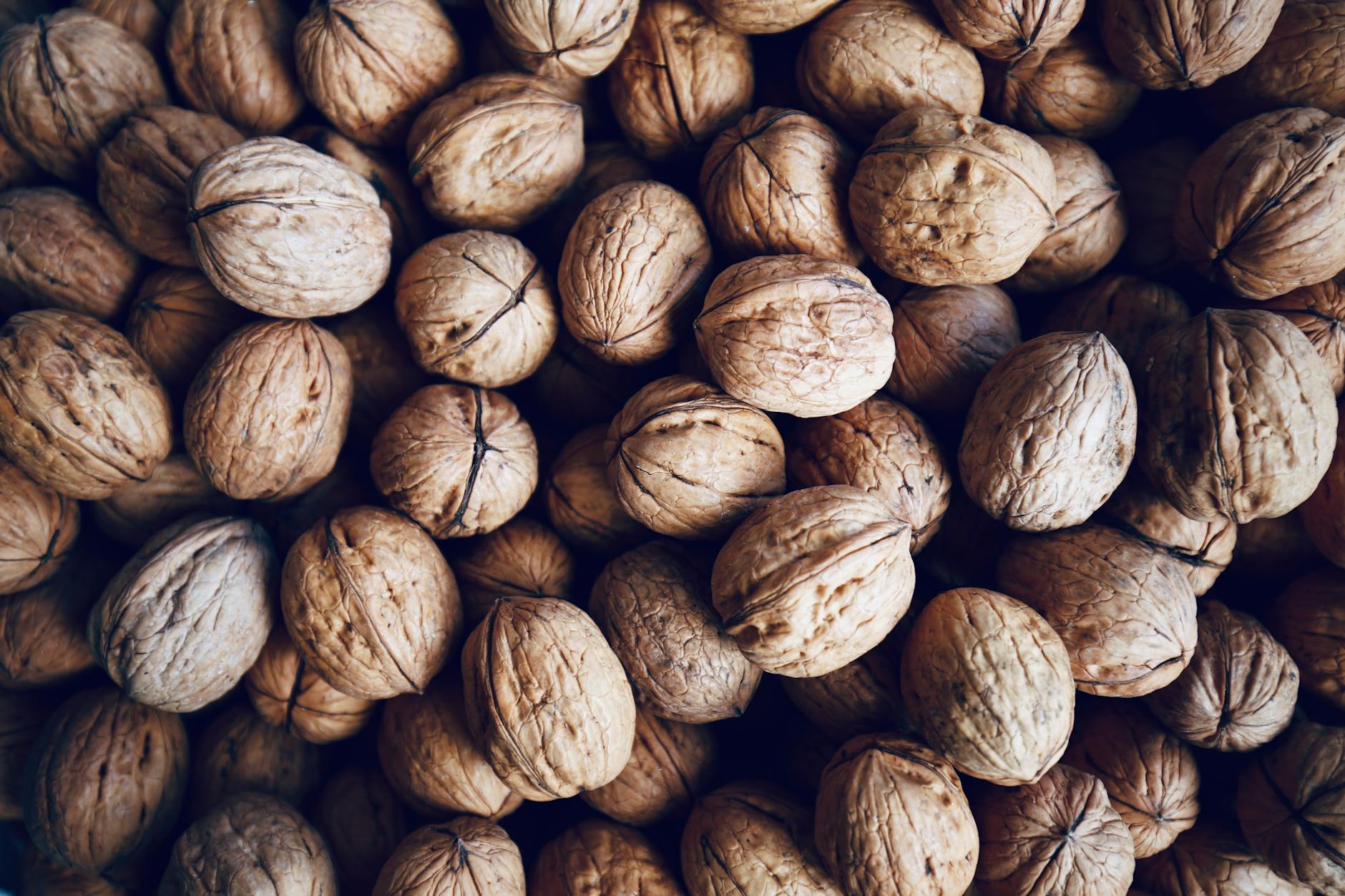
How Should You Incorporate Walnuts Into a Brain-Healthy Diet?
The University of Reading study used 50 grams (about 1.5 ounces or a small handful) at breakfast, a practical amount that most people can easily include without overdoing calories. This suggests you don’t need large quantities to experience benefits; consistency matters more than volume. Eating a small handful of walnuts several times per week appears to offer cognitive benefits based on available research. A comparison worth noting: the same brain-protective effects from walnuts might require multiple supplements or larger quantities of other foods.
A single serving of walnuts delivers concentrated omega-3s, polyphenols, and protein simultaneously—making them an efficient choice for people managing dietary limitations or multiple health conditions. However, walnuts aren’t a standalone solution; they work best as part of an overall brain-healthy diet that includes leafy greens, berries, fish, and other nutrient-dense foods. Practical considerations include storage and freshness. Walnuts contain polyunsaturated fats that can become rancid if stored improperly, which would diminish their antioxidant value. Keep walnuts in an airtight container in the refrigerator or freezer and use them within a few weeks of opening to maximize nutritional benefit.
Who Benefits Most From Eating Walnuts for Brain Health?
While the WAHA study found no widespread cognitive benefit in healthy older adults overall, the subgroup analysis revealed that people with existing cognitive concerns or risk factors for decline may experience greater protection. This suggests walnuts are particularly valuable for individuals with a family history of dementia, those experiencing subjective cognitive complaints, or people with multiple cardiovascular risk factors (since cardiovascular and brain health are closely linked). A important limitation to understand: if you have a tree nut allergy, walnuts are not an option, and you’ll need alternative sources of omega-3s and polyphenols, such as flaxseeds, chia seeds, or fatty fish.
For people with swallowing difficulties or dental issues common in older adults, walnuts can be ground into nut butter or added to soft foods to maintain accessibility. People taking anticoagulant medications should note that while walnuts are generally safe, their omega-3 content theoretically has mild blood-thinning properties. Discussing walnut consumption with your healthcare provider is wise if you’re on warfarin or similar medications, though the evidence suggests dietary amounts are unlikely to cause problems.

The Broader Context of Foods for Brain Protection
Walnuts don’t exist in isolation as a brain-protective food. The Mediterranean diet—which includes walnuts, olive oil, fish, and abundant vegetables—has the strongest evidence base for cognitive protection and dementia prevention. If you’re choosing between starting with walnuts or making broader dietary changes, prioritizing a Mediterranean-style pattern of eating offers more comprehensive brain benefits than any single food.
For example, a person who adds walnuts to their diet but continues consuming high amounts of processed foods and added sugars won’t experience the full cognitive benefits that research suggests. The context matters significantly. Walnuts work synergistically with other brain-healthy foods, not as a replacement for dietary improvements.
What’s Next in Walnut and Brain Health Research?
Researchers are currently investigating which populations benefit most from walnut consumption and whether specific doses offer greater benefits than others. Ongoing studies are also examining whether walnuts might be particularly protective for people with specific genetic risk factors for Alzheimer’s disease, particularly those carrying the APOE4 gene variant.
The evidence base will continue evolving, but the current scientific consensus is clear: walnuts are not harmful to brain health. Instead, they represent an evidence-backed food choice for cognitive protection, especially for people at higher risk for cognitive decline. As neuroscience advances, we’ll likely discover additional mechanisms explaining walnuts’ protective effects.
Conclusion
The sensationalized headline claiming walnuts are harmful to brain health fundamentally contradicts current scientific evidence. Peer-reviewed research, including the 2025 University of Reading study, demonstrates that walnuts improve reaction time and memory performance, and may help protect against age-related cognitive decline. For people concerned about dementia risk or brain health, walnuts represent a practical, evidence-supported dietary choice.
If you’re concerned about cognitive health, consuming a small handful of walnuts several times per week—as part of a broader, nutrient-rich diet—aligns with what the evidence actually shows. Don’t be swayed by alarming headlines that contradict the science. Instead, focus on consistent healthy dietary patterns, regular physical activity, quality sleep, and cognitive engagement—the foundation of lifelong brain protection.
You Might Also Like
- Scientists Reveal wild blueberries Is One of the Worst Foods for Brain Health
- Scientists Reveal leafy greens Is One of the Worst Foods for Brain Health
- fried foods Diet Linked to 18 Percent Lower Alzheimer’s Risk
For more, see NIH MedlinePlus — cognitive testing.