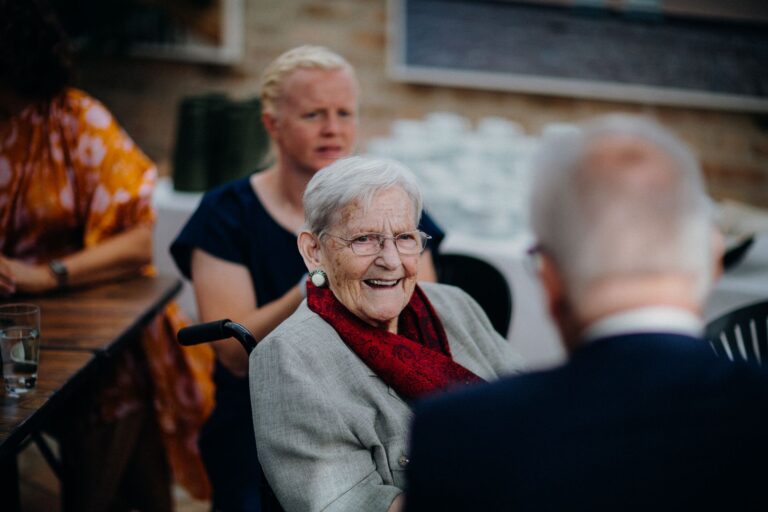
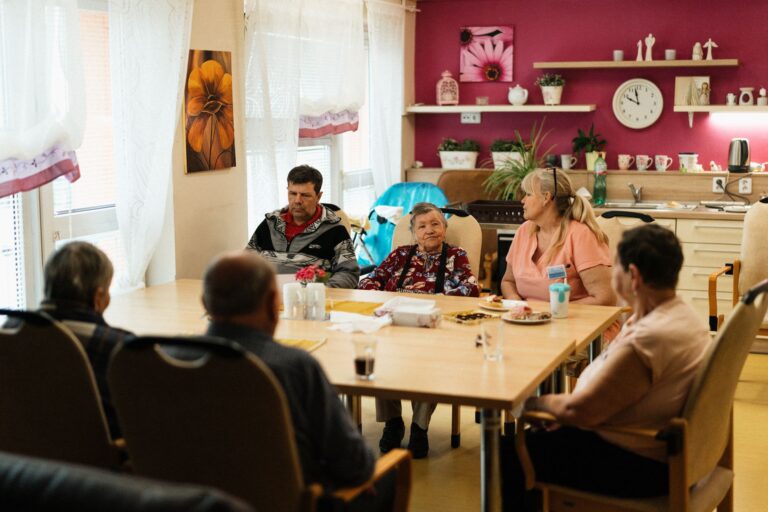
Build social connection into dementia prevention by pairing people time with movement and chronic-disease care. Join a walking group, group exercise class, or regular volunteer shift while you track blood pressure, blood sugar, cholesterol, and hearing with your clinician. A prevention routine means small daily habits that support brain and heart health. Social activity sits alongside exercise, healthy eating, sleep, and control of vascular risks.
Medical information disclaimer: This article is for general educational purposes only and does not provide medical advice, diagnosis, or treatment. Always consult a physician or other qualified health professional about symptoms, medications, tests, or treatment decisions.
Table of Contents
- Why social connection counts for brain health
- What does a realistic week look like?
- How do you pair social time with chronic-condition care?
- What are the limits and how do you start safely?
Why social connection counts for brain health
Social isolation is associated with about 50% increased risk of dementia, while poor social relationships are associated with 29% higher heart disease and 32% higher stroke risk in older adults. The New York State Office for the Aging, citing CDC data, reports these links in its isolation resources update. Risk is shared across many habits and health conditions.
The BrightFocus Foundation, summarizing Livingston et al. in The Lancet 2024, estimates about 45% of dementia worldwide is associated with 14 modifiable factors including education, hearing loss, high LDL, hypertension, diabetes, smoking, inactivity, depression, isolation, pollution, and vision loss in its 14 lifestyle changes summary. For readers with hypertension, diabetes, or heart disease, this overlap matters. The same isolation that strains mood can accompany less movement, missed appointments, and poorer sleep.
What does a realistic week look like?
The Alzheimer's Association urges heart-rate-raising movement, vegetables and lean protein, blood-pressure control with a clinician, diabetes prevention or control, 7-8 hours sleep, and staying socially and mentally engaged. These steps fit together rather than compete for time.
For adults over 50 including those with chronic conditions, NIH recommends four exercise types — endurance, strength, balance, and flexibility. NIH notes regular activity helps manage diabetes, heart disease, osteoporosis, and depression and preserves independence. A simple pattern can cover both:.
- walk 20-30 minutes twice weekly with a neighbor, friend, or walking group
- attend one group strength, balance, or flexibility class
- add one fixed social shift, such as volunteering, a club, or a shared meal
How do you pair social time with chronic-condition care?
Use social plans to carry the healthy habit. Walk and talk instead of meeting for long sitting. Choose group classes that include warm-up, balance practice, and clear instruction for joint or heart limits. The World Health Organization's updated 2026 guideline says up to 45% of dementia risk could be prevented or delayed by physical activity, tobacco cessation, healthy diet, less alcohol, social activity, air-pollution reduction, and management of hypertension, diabetes, and high cholesterol, described in its new guidelines announcement.
WHO also advises regular exercise, not smoking, avoiding harmful alcohol use, controlling weight, eating a healthy diet, and maintaining healthy blood pressure, cholesterol, and blood sugar. Make disease checks part of the routine. Pair walking groups, group classes, or volunteer activity with clinician-guided blood-pressure, blood-sugar, and hearing care. Bring a list of medicines, ask about target ranges, and fix hearing loss early so conversation stays easy.
What are the limits and how do you start safely?
These percentages are population-level associations assuming causal links, not promises for any person. CDC public-health modeling explicitly conditions its 40% preventable estimate on assuming causality, explained in its Healthy Brain Initiative issue map. That means habits shift odds across groups, while individual risk still varies.
A realistic start is small, regular, and checked by your care team. Tell your clinician about chest pain, dizziness, falls, very high blood pressure or blood sugar, depression, or hearing change before raising activity. Book one visit to review blood pressure, blood sugar, cholesterol, medicines, and hearing, then pick one weekly social walk to start.