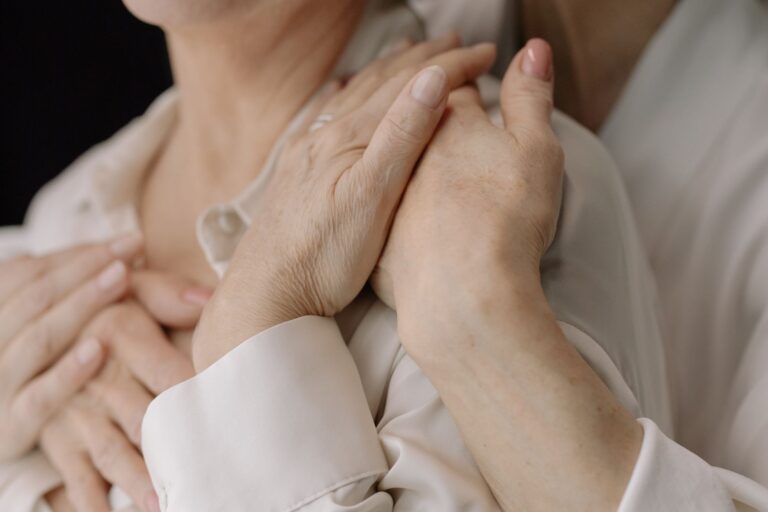
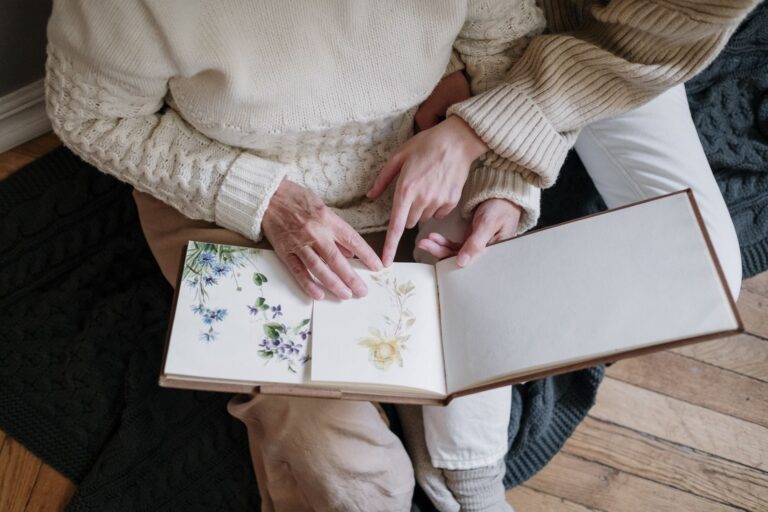
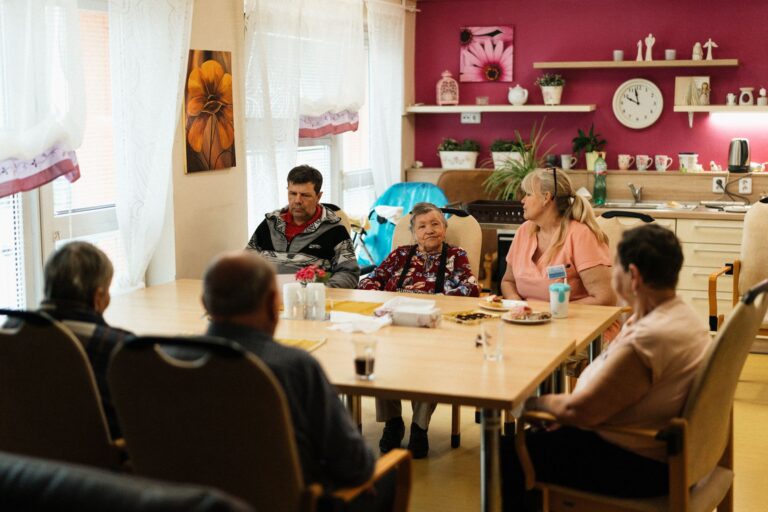
Reading a grandparent's recipe card can feel emotionally heavy because it preserves a familiar voice while the relationship is changing. Dementia—cognitive and behavioral decline severe enough to disrupt daily life—is not normal aging, according to the National Institute on Aging. The card is both a set of instructions and a family record. Handwriting, shorthand, stains, and corrections may evoke meals, traditions, and the person's former role in the family.
Medical information disclaimer: This article is for general educational purposes only and does not provide medical advice, diagnosis, or treatment. Always consult a physician or other qualified health professional about symptoms, medications, tests, or treatment decisions.
Table of Contents
- What does the recipe card represent now?
- Why family members may react differently
- Can the card support connection?
- How to use the card without creating pressure
- How to preserve the card and its story
What does the recipe card represent now?
A recipe card can preserve details that memory no longer supplies easily. A phrase such as "bake until ready" may recall how the grandparent cooked by instinct or taught others beside the stove. The card may also mark a painful contrast.
The person who once directed holiday meals may now struggle to read, sequence steps, or explain an abbreviation. That contrast creates emotional weight, but it does not give the card one fixed meaning. It may feel comforting today and upsetting another day—or meaningful to one relative but ordinary to another.
Why family members may react differently
An adult child may see evidence of a parent's independence. A caregiver may remember the work of keeping that person safe. A grandchild may see handwriting from a version of their grandparent they barely knew.
No reaction is more authentic than another. Grief, affection, resentment, gratitude, and fatigue can coexist around the same object. with children, describe the change plainly and at an age-appropriate level: dementia is making some activities harder, but shared time still matters. Do not turn the card into proof that the grandparent remembers—or has forgotten—the relationship.
Can the card support connection?
Use the recipe as an invitation rather than a quiz. Instead of asking, "Don't you remember making this?" try, "I found this card in your handwriting. Would you like to look at it with me?" Participation can be small.
The National Institute on Aging's activity guide suggests adapting cooking into manageable roles such as gathering, measuring, mixing, pouring, or explaining a step. There is evidence that structured reminiscence activities can help some people. A 2026 meta-analysis of 26 studies involving 2,766 participants found improvements in cognition, depressive symptoms, and quality of life, but not behavioral symptoms or caregiver burden. Those studies examined structured interventions, not recipe cards specifically, so the card is a possible connection prompt—not treatment, restored memory, or guaranteed comfort.
How to use the card without creating pressure
Follow the person's present abilities and mood rather than the card's history. Familiarity does not make unsupervised cooking safe. The National Institute on Aging's home safety checklist recommends measures such as stove safety knobs or automatic shutoff devices as abilities change.
- Offer the card without demanding recognition.
- Read difficult handwriting aloud if invited.
- Assign one simple kitchen task at a time.
- Accept changed ingredients, incomplete stories, or silence.
- Pause or switch activities if frustration appears.
How to preserve the card and its story
Photograph or scan both sides before the card becomes more fragile. Create a separate transcription, mark uncertain words honestly, and record only details the family knows rather than filling gaps with guesses.
Use a copy in the kitchen so spills do not damage the original. Keep new notes, photographs, and memories beside it rather than writing over the grandparent's words.