Reviewed by the Help Dementia Editorial Team — our editors review every article for accuracy against guidance from the National Institute on Aging, the Alzheimer’s Association, and peer-reviewed sources.
Brain better sits at the center of this dementia and brain health question.
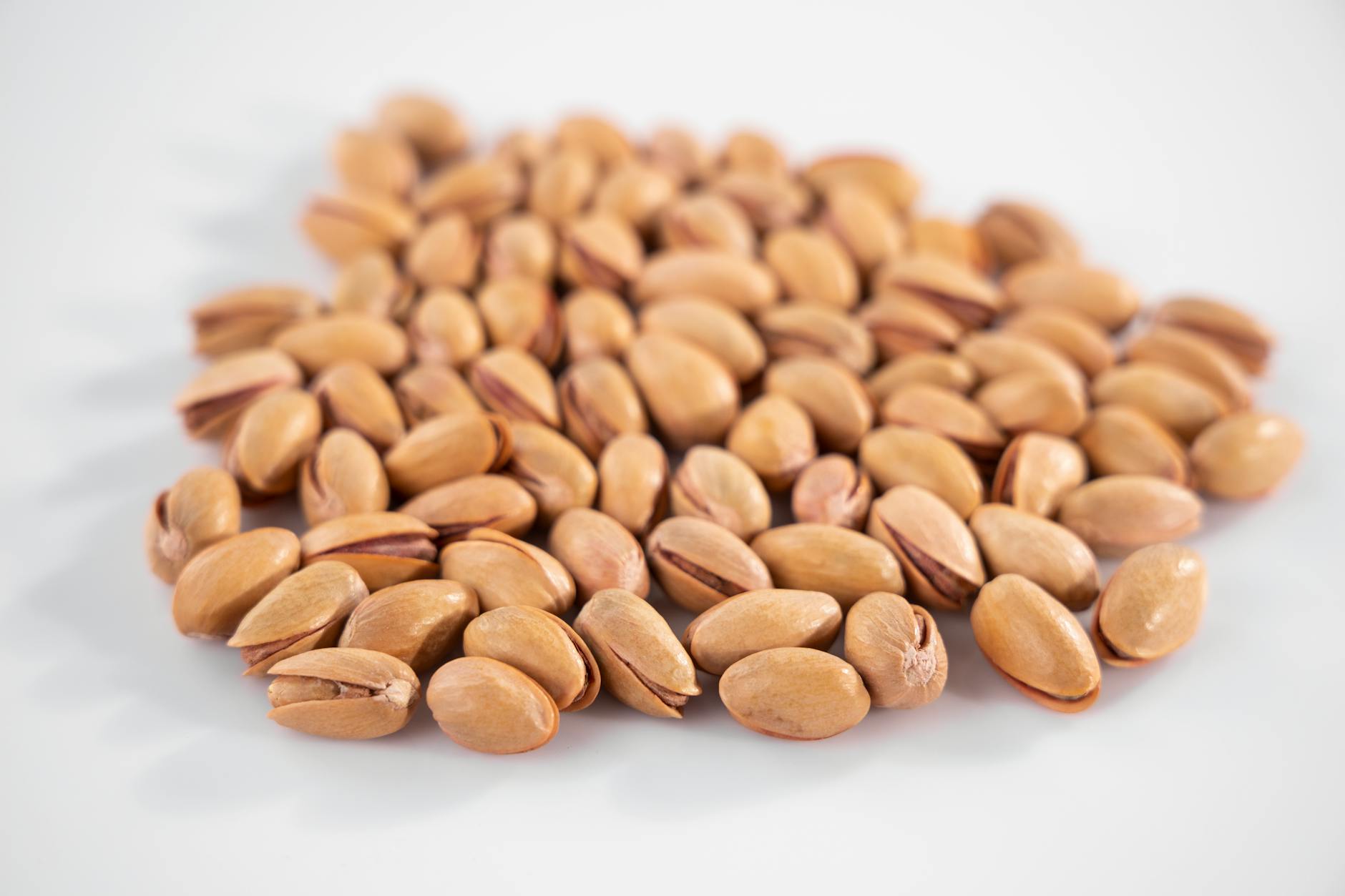
Emerging research suggests that a handful of pistachios may do more for your brain than a bottle of expensive cognitive supplements. Recent studies have found that pistachios produce measurable improvements in decision-making, attention, and executive function—while also generating stronger beneficial brainwave activity than other nuts. A 2024 pilot study published in peer-reviewed journals found that participants who consumed pistachios for just 28 days showed significant improvements in cognitive performance, alongside improvements in mood and mental health.
The reason is straightforward: pistachios contain a unique combination of nutrients—including lutein, vitamin E, polyphenols, and compounds like phyto-melatonin—that directly protect and support brain tissue in ways that isolated supplements simply cannot replicate. The appeal is more than just the science. Unlike supplements that extract single nutrients into pills or powders, whole pistachios deliver their neuroprotective compounds together, allowing your body to absorb and use them more effectively. This whole-food approach may explain why 13 out of 15 studies reviewed in a recent meta-analysis found positive associations between nut consumption and cognitive performance, while the supplement industry continues to produce mixed and often disappointing results.
Table of Contents
- Do Pistachios Really Outperform Brain Supplements?
- What Brain-Protective Compounds Do Pistachios Contain?
- Pistachios and Mood—The Mental Health Connection
- Pistachios Versus Brain Supplements—A Practical Comparison
- What Does the Research Actually Show—And What We Don’t Know Yet
- Who Benefits Most From Regular Pistachio Consumption?
- The Bigger Picture—Whole Foods Versus Isolated Compounds
- Conclusion
Do Pistachios Really Outperform Brain Supplements?
The short answer is yes—at least for the outcomes researchers have measured so far. In the 2024 cognitive performance study, participants consuming pistachios showed improvements in risk tolerance, decision-making strategy, and executive functions within four weeks. These aren’t minor changes; the researchers measured these using established cognitive assessment tools. By contrast, most popular cognitive supplements—including those containing ginkgo, huperzine, and other heavily marketed ingredients—show either no benefit or minimal, inconsistent results in rigorous testing.
The key difference lies in how pistachios work. When you consume a supplement like ginkgo biloba, your body receives one or two isolated active compounds. Pistachios, however, deliver multiple neuroprotective agents simultaneously: antioxidant polyphenols that fight inflammation, lutein that protects neural tissue, unsaturated fats that support cell membranes, and vitamin E that prevents oxidative damage. This multi-pronged approach is closer to how the brain actually needs to be supported. Your brain doesn’t require just one nutrient—it requires an ecosystem of protective compounds working together, which is exactly what a whole food like pistachios provides.
What Brain-Protective Compounds Do Pistachios Contain?
Pistachios are unusually dense in neuroprotective nutrients. They contain vitamin E, folic acid, phyto-melatonin, antioxidant polyphenols, lutein, and both monounsaturated and polyunsaturated fats. Each of these compounds plays a specific role in protecting your brain from age-related decline. Lutein, in particular, is worth understanding: it’s a carotenoid that can cross the blood-brain barrier and directly reduce oxidative stress and inflammation in neural tissue. Many supplement marketers tout lutein for eye health, but its benefits for the aging brain are equally significant.
In preclinical studies, pistachio consumption actually mitigated the harmful effects of high-fat diets by decreasing brain cell death (apoptosis), reducing lipid and oxidative stress, and improving mitochondrial function—the energy-producing structures inside brain cells. There is an important caveat: most of this protective effect depends on consuming whole pistachios rather than pistachio oil or isolated components. When researchers extract individual compounds from pistachios to create supplements, they lose the synergistic effects that make the whole nut so effective. Additionally, the amount matters. The 2024 study used a consistent daily pistachio intake over 28 days to see measurable cognitive improvements. Taking a handful of pistachios once a week will not produce the same results—consistency and adequate quantity are essential.
Pistachios and Mood—The Mental Health Connection
One of the most interesting findings from recent pistachio research is its effect on mood and emotional regulation. In the 2024 study, pistachio consumption positively modulated mood state, with measurable improvements in anxiety, anger-hostility, and sadness-depression. This matters significantly for older adults managing dementia risk, because depression and anxiety are both independent risk factors for cognitive decline. Someone managing early-stage memory loss or cognitive concerns often faces a double burden: the worry about declining cognition actually accelerates that decline through stress-related inflammation and cortisol elevation.
Consider a realistic scenario: an older adult experiencing mild cognitive changes might turn to anxiety or depression, which then accelerates brain aging through chronic stress and neuroinflammation. Adding pistachios to the diet addresses both issues simultaneously—they support cognition directly while also stabilizing mood through their nutrient profile. The polyphenols and phyto-melatonin in pistachios help regulate neurotransmitters like serotonin and have mild anxiolytic properties. This is one area where pistachios genuinely outperform most supplements: brain supplements are designed for cognition, and mood support supplements are separate. Pistachios naturally address both.

Pistachios Versus Brain Supplements—A Practical Comparison
From a practical standpoint, the choice between pistachios and supplements comes down to compliance, cost, and what your body actually absorbs. A typical bottle of cognitive supplement costs $15 to $40 per month and contains isolated compounds that may or may not reach your brain tissue in meaningful quantities. Pistachios, by contrast, cost roughly $8 to $12 per pound, and a one-ounce serving (about 23 kernels) provides the full spectrum of neuroprotective compounds shown to work in the 2024 study. You’re not paying for marketing or extraction technology; you’re paying for food. There’s also the matter of taste and satiety.
Taking a supplement is a chore that many people forget or abandon after a few weeks. Eating pistachios is pleasurable—they have natural flavor, texture, and the satisfaction of whole food consumption. This psychological factor matters more than most people realize. A supplement you take for three months then abandon provides zero long-term benefit. Pistachios that you actually enjoy eating and that naturally fit into your routine are far more likely to produce lasting results. The trade-off is that you need to be mindful of quantity and that pistachios contain calories (about 160 per ounce), whereas supplements add minimal caloric load to your diet.
What Does the Research Actually Show—And What We Don’t Know Yet
The pistachio research is encouraging but still emerging. The 2024 cognitive performance study was a pilot study on overweight young adults—not elderly individuals with established cognitive decline. The meta-analysis showing positive associations between nuts and cognition reviewed 15 epidemiological studies, but epidemiological research can show correlation, not definitive causation. We don’t yet have large, multi-year randomized controlled trials specifically tracking pistachio consumption in older adults with mild cognitive impairment or early-stage dementia. That research is coming, but it isn’t complete.
Additionally, the research showing that pistachios produce the greatest gamma wave response among nuts is significant but preliminary. Gamma waves are associated with cognitive processing, learning, and perception, and detecting gamma wave improvements is a sophisticated measurement. However, improved gamma waves don’t automatically translate to better cognitive outcomes in real-world life. More research is needed to establish whether the gamma wave improvements observed in laboratory settings actually prevent dementia or slow cognitive decline over years. It’s also important to note that pistachios won’t reverse established Alzheimer’s disease or advanced dementia. They appear effective for supporting cognitive health in people with normal aging or early concerns, but they are a preventive strategy, not a treatment for advanced disease.

Who Benefits Most From Regular Pistachio Consumption?
The evidence suggests that pistachios are most beneficial for people in the early stages of cognitive aging or those with risk factors for decline. If you’re experiencing normal age-related memory changes—misplacing keys, occasionally forgetting names—pistachios can support continued cognitive function. If you have risk factors like family history of dementia, cardiovascular disease, or metabolic syndrome (all of which increase dementia risk), pistachios are particularly worth incorporating. The 2024 study focused on overweight young adults, and many dementia risk factors involve metabolic dysfunction, suggesting pistachios may be particularly protective for people with metabolic concerns.
However, pistachios are not personalized medicine. Individual genetics, overall diet, lifestyle, sleep quality, and cardiovascular health all influence whether any single food will measurably impact your cognitive trajectory. Someone eating pistachios while maintaining poor sleep, chronic stress, and a diet otherwise high in processed foods will see less benefit than someone incorporating pistachios as part of a comprehensive approach to brain health. Think of pistachios as a cornerstone, not a solution.
The Bigger Picture—Whole Foods Versus Isolated Compounds
The success of pistachios in recent cognitive research reflects a larger truth about nutrition and brain health: your brain evolved to process whole foods, not isolated compounds. Supplements represent a relatively new approach to nutrition—decades old in some cases, but evolutionary milliseconds compared to the thousands of years humans have eaten nuts. The body developed mechanisms to absorb, transport, and utilize nutrients from whole food sources that we’re still discovering. When researchers extract lutein and put it in a capsule, they may be missing crucial synergistic compounds that increase absorption or effectiveness.
Looking forward, the field is shifting away from single-nutrient supplementation toward whole-food approaches and patterns of eating (like the Mediterranean diet, which emphasizes nuts, fish, and vegetables). Pistachio research fits this broader movement. Rather than asking “Which supplement should I take?”, the more productive question is “Which whole foods should I eat regularly?” For brain health specifically, the evidence increasingly supports nuts—and pistachios in particular—as a daily habit rather than an occasional treat. This shift is likely to continue as research accumulates on how whole-food nutrients interact with brain aging.
Conclusion
Pistachios are not a miracle cure for cognitive decline, nor will they replace a healthy lifestyle, social engagement, cardiovascular exercise, or quality sleep. What they offer is concrete evidence-based nutritional support for brain health—one that outperforms most cognitive supplements on both efficacy and cost.
The 2024 research showing improvements in executive function, decision-making, and mood within four weeks of consistent consumption provides a practical starting point: a daily handful of pistachios, incorporated as part of your regular diet, may provide measurable cognitive and emotional benefits that expensive supplements simply do not deliver. If you’re concerned about cognitive aging, interested in supporting brain health, or looking for a more grounded alternative to supplement marketing, adding pistachios to your routine is a straightforward, food-based step with genuine research behind it. The best diet for your brain is not one built on supplements—it’s one built on whole foods like pistachios, other nuts, vegetables, and fish that your body knows how to use effectively.
You Might Also Like
- wild blueberries May Protect Your Brain Better Than Supplements
- whole grains May Protect Your Brain Better Than Supplements
- walnuts May Protect Your Brain Better Than Supplements
For more, see Alzheimer’s Association — caregiving.