Reviewed by the Help Dementia Editorial Team — our editors review every article for accuracy against guidance from the National Institute on Aging, the Alzheimer’s Association, and peer-reviewed sources.
Brain better sits at the center of this dementia and brain health question.
Yes, walnuts appear to protect your brain better than most supplements—at least based on how they work in your body. A 2025 study from the University of Reading found that just 50 grams of walnuts mixed into breakfast improved both reaction times and memory performance compared to a calorie-matched meal without them. The reason isn’t one single compound but rather how all the components work together: walnuts contain omega-3 fats, antioxidants, proteins, and polyphenols that your brain uses synergistically in ways that isolated supplement pills simply cannot replicate. The distinction matters, especially for anyone concerned about cognitive health as we age.
Supplements typically isolate one or two active ingredients—say, just omega-3s or just vitamin E. But walnuts deliver dozens of protective compounds simultaneously, and the proteins in walnuts actually regulate how your body absorbs the fats, which in turn increases absorption of vitamin E, carotenoids, and flavonoids. It’s a network effect. Your brain doesn’t get just omega-3s; it gets a coordinated package of nutrition.
Table of Contents
- Why Whole Walnuts Outperform Brain-Health Supplements
- The Specific Brain-Protection Mechanisms in Walnuts
- What the 2025 Research Actually Shows About Brain Function
- Long-Term Cognitive Decline: What the Extended Research Suggests
- The Whole-Food Advantage and Its Real Limitations
- How to Incorporate Walnuts Into Your Diet for Brain Health
- The Future of Walnut Research in Cognitive Protection
- Conclusion
Why Whole Walnuts Outperform Brain-Health Supplements
The fundamental advantage of eating whole walnuts instead of taking supplements comes down to how food works in your body. When researchers isolated just the omega-3 content of walnuts and tested it separately, they didn’t see the same cognitive improvements as when people ate the whole nut. That’s because the walnut itself is more than the sum of its parts. The fat content helps your gut absorb fat-soluble compounds like vitamin E and carotenoids. The protein changes how fats are processed.
The fiber affects how quickly those nutrients enter your bloodstream. Supplements, by contrast, usually give you one active ingredient in isolation. A fish oil pill gives you EPA and DHA but not the antioxidant compounds walnuts contain. A vitamin E supplement gives you vitamin E but not the way whole walnuts structure and coordinate nutrient delivery. The 2025 University of Reading study measured actual brain activity using EEG and found that walnuts triggered specific neural changes—changes that no supplement in their comparison group replicated. The brain works with what it’s given, and it works better when given the whole package.
The Specific Brain-Protection Mechanisms in Walnuts
Walnuts protect your brain through multiple overlapping mechanisms, starting with antioxidant defense. Research shows that walnut-enriched diets significantly improve your body’s antioxidant capacity—they decrease free radical levels, reduce lipid peroxidation (damage to fats in cell membranes), and lower protein oxidation. Your brain is particularly vulnerable to oxidative stress because it uses a lot of oxygen and contains abundant fats that can be damaged by free radicals. Walnuts counter this with flavonoids, ellagic acid, gamma tocopherol, melatonin, and polyphenols, all working together to neutralize threats. The omega-3 content also matters, though perhaps not in the way you’ve heard.
Walnuts contain alpha-linolenic acid (ALA), a plant-based omega-3 that has anti-inflammatory effects. In animal studies, ALA has been shown to increase brain plasticity, reduce neuronal cell death, prevent calcium dysregulation in neurons, and reduce amyloid-beta deposition—the protein clumps implicated in Alzheimer’s disease. The limitation here is important: animal studies suggest potential, but human evidence of long-term brain protection is still emerging. A 2-year intervention study in older adults showed no overall cognitive benefit, though brain imaging suggested walnuts might delay decline in higher-risk subgroups. This doesn’t mean walnuts don’t work; it means they may protect people at different levels depending on their existing health status.
What the 2025 Research Actually Shows About Brain Function
The most recent evidence comes from a carefully controlled 2025 study that tracked 32 healthy young adults through a double-blind crossover design—meaning each person received both the walnut breakfast and the control breakfast without knowing which was which. On the walnut days, reaction times improved significantly throughout the day, and participants performed better on tasks measuring executive function: the ability to switch between tasks, inhibit automatic responses, and focus attention. These improvements in mental processing speed and flexibility are exactly the kinds of changes you’d want to see to protect against future cognitive decline. Memory showed an interesting pattern.
In the first two hours after eating walnuts, memory performance was actually slightly worse than the control condition—a temporary dip that researchers don’t fully explain yet. But by six hours post-breakfast, the walnut group had reversed that pattern and outperformed the control group. Blood work revealed positive changes in glucose and fatty acid levels, and the EEG showed distinct patterns of neural activity suggesting the brain was working more efficiently during demanding tasks. This isn’t dramatic like a drug effect, but it’s real and measurable, and the daily repetition of such improvements could accumulate over years.

Long-Term Cognitive Decline: What the Extended Research Suggests
The reason people are excited about walnuts for brain health goes beyond acute improvements in focus or reaction time. Animal research shows promise that long-term walnut consumption might reduce the risk or delay the onset of mild cognitive impairment and Alzheimer’s disease. In rodents, dietary ALA from walnuts reduced amyloid-beta accumulation and improved brain structure—suggesting a pathway to meaningful protection against neurodegeneration. The challenge is that human long-term studies are harder to conduct and often show more modest results.
A multi-year intervention study did not find overall benefits to cognition in healthy older adults, which is sobering. However, subset analysis suggested that participants who were at higher genetic risk for cognitive decline—based on factors like apolipoprotein E (APOE) status—may have benefited from walnut consumption. This hints that walnuts might be most protective for people already at elevated risk rather than as a universal brain-protection strategy. For someone with a family history of dementia or existing mild memory concerns, the evidence points more favorably.
The Whole-Food Advantage and Its Real Limitations
The synergistic advantage of whole walnuts over supplements is real, but it comes with a practical limitation: whole walnuts are a food, not a medicine, and they work on a nutritional timescale rather than a pharmaceutical one. You won’t feel sharper an hour after eating walnuts the way you might feel a jolt from caffeine. The benefits accumulate from consistent, daily consumption over weeks and months. The 2025 study showed effects within a single day, but those effects were modest—improvements in reaction time measured in milliseconds. Over years, such daily improvements in neural efficiency could plausibly reduce cognitive decline, but we don’t yet have proof of that long-term prevention in humans.
Another limitation is individual variation. The study involved healthy young adults, and we don’t know if the same benefits apply to older adults, people with existing cognitive impairment, or people taking medications that might interact with walnut consumption. Someone with a bleeding disorder or taking blood thinners should be cautious about dramatically increasing walnut intake because of the omega-3 content, though the risk is low. And for people with certain GI conditions, the high fiber content in walnuts might cause bloating or digestive distress. The “better than supplements” claim only holds true if walnuts actually work for your body and fit into your life.

How to Incorporate Walnuts Into Your Diet for Brain Health
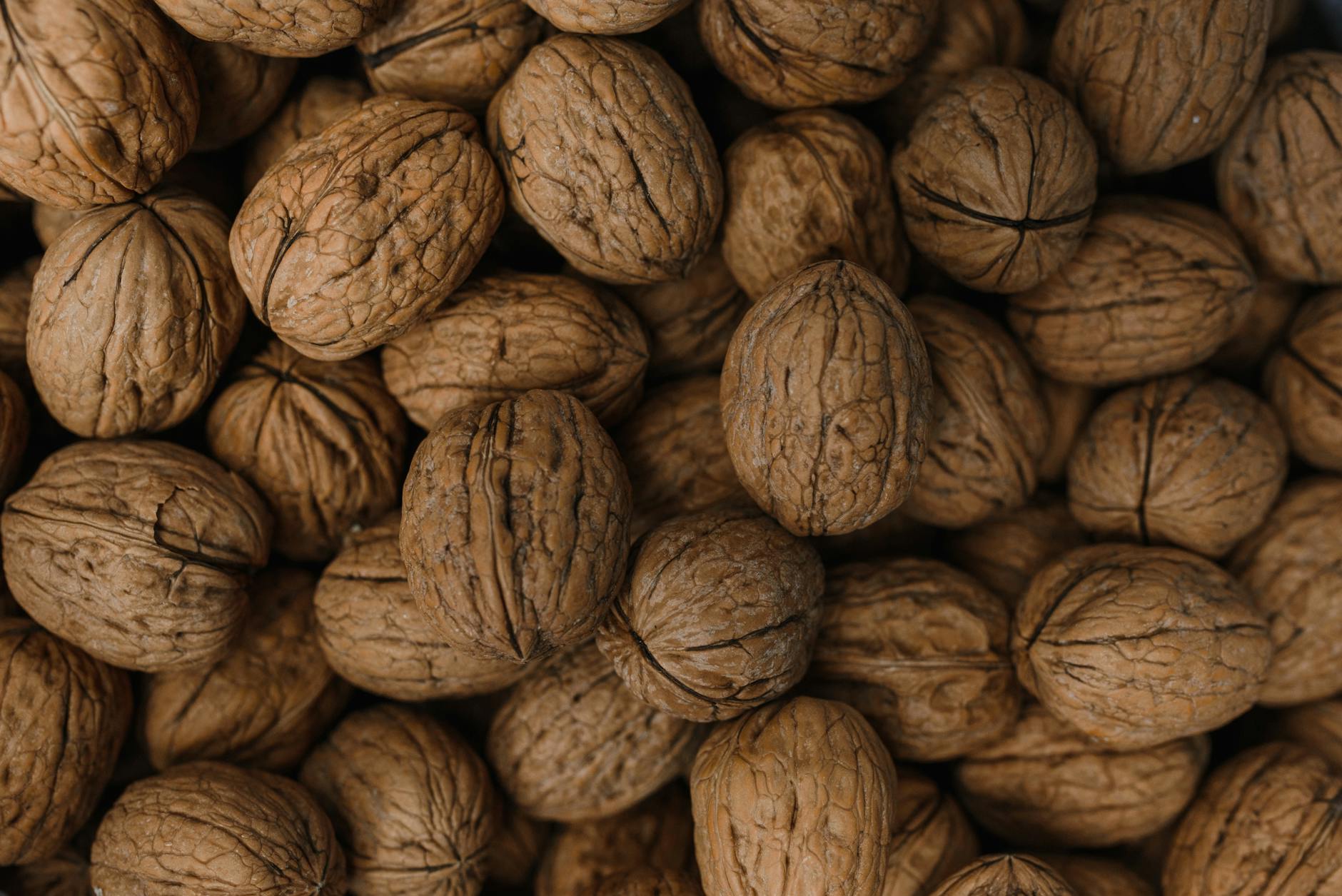
The 2025 research used 50 grams of walnuts—roughly 1.5 ounces or about a small handful—mixed into a breakfast. That’s about 14 walnut halves, or roughly what fits in a small espresso cup. The study combined them into a breakfast with other foods, and the brain benefits held up even when the walnuts weren’t being consumed in isolation. This is practical: you can sprinkle them over oatmeal, mix them into yogurt, add them to a salad at lunch, or eat them as a snack.
The key seems to be consistency and actually incorporating them into your regular diet rather than taking them as an occasional supplement. The comparison is worth noting: 50 grams of walnuts contains about 186 calories, 3 grams of omega-3 ALA, and substantial amounts of antioxidants. To get the same amount of ALA from a fish oil supplement, you’d take a pill that might or might not be absorbed as effectively and that definitely won’t include the antioxidants, polyphenols, fiber, or protein package that whole walnuts provide. If you’re already spending money on brain-health supplements, reallocating that toward whole walnuts is likely a smarter investment—though the ideal approach is probably whole walnuts as a baseline, not a replacement for an overall healthy diet.
The Future of Walnut Research in Cognitive Protection
The 2025 University of Reading study was focused on acute brain function in young, healthy people, and future research will likely expand to older populations, people with existing cognitive impairment, and longer-term intervention studies. Researchers are particularly interested in whether the daily accumulation of improved neural efficiency in executive function, reaction time, and memory could translate to meaningful dementia prevention over decades. The animal evidence pointing to reduced amyloid-beta and improved neural plasticity suggests a plausible mechanism, but human proof will take time.
The broader insight emerging from this research is that food-based approaches to brain health may work differently than supplement-based approaches, not because the active compounds are different but because whole foods deliver them synergistically. This might explain why Mediterranean diets and other whole-food-focused eating patterns show stronger epidemiological links to cognitive health than supplement studies do. Walnuts are one piece of that picture, but they exemplify a principle: your brain evolved to process whole foods, not isolated nutrients in pills.
Conclusion
Walnuts do appear to protect your brain better than most supplements because they deliver a coordinated package of antioxidants, anti-inflammatory compounds, omega-3s, proteins, and polyphenols that work together in ways isolated supplements cannot replicate. A serving of 50 grams daily has been shown to improve reaction time, executive function, and memory in acute studies, and long-term research in animals suggests potential for reducing cognitive decline and amyloid-beta accumulation in the brain. While human evidence for long-term dementia prevention is still emerging, the mechanism is sound and the short-term cognitive benefits are measurable.
If you’re concerned about brain health, the practical step is straightforward: incorporate a small handful of walnuts into your daily diet—whether in breakfast, snacks, or salads—and do it consistently. For people at higher risk of cognitive decline due to family history or existing memory concerns, the evidence points more directly to benefit. Walnuts won’t replace overall healthy habits like exercise, cognitive engagement, quality sleep, and social connection, but as a evidence-backed food that supports brain function, they deserve a place in any brain-health strategy—and they should come before expensive supplements that have never demonstrated the same multi-system benefits.
You Might Also Like
- wild blueberries May Protect Your Brain Better Than Supplements
- leafy greens May Protect Your Brain Better Than Supplements
- What Neurologists Say About whole grains and Memory Loss
For more, see National Institute on Aging.