Reviewed by the Help Dementia Editorial Team — our editors review every article for accuracy against guidance from the National Institute on Aging, the Alzheimer’s Association, and peer-reviewed sources.
Yes, whole grains may protect your brain better than supplements—and the evidence is surprisingly strong. A 2023 study of nearly 3,000 adults found that those eating the most whole grains were 28% less likely to develop all-cause dementia and 36% less likely to develop Alzheimer’s dementia over a 12-year period. This isn’t marketing hype; it’s the kind of real-world protective effect that researchers rarely see with supplement interventions. Compare this to most brain supplements, where the evidence remains inconclusive or limited, and you begin to understand why nutrition experts are increasingly skeptical of the supplement-first approach to cognitive health. The reason whole grains outperform pills comes down to what food contains that supplements often don’t: complexity. A single bowl of oatmeal or a piece of whole-grain bread delivers dietary fiber, polyphenols, B vitamins, vitamin E, and betaine—a constellation of bioactive compounds working together.
A supplement bottle typically contains one or two isolated nutrients, stripped of the synergistic effects that make whole foods so protective. Your brain didn’t evolve expecting isolated vitamins in capsules; it evolved to process real food. This distinction matters most if you’re already spending money on supplements hoping to protect yourself against dementia and cognitive decline. The money might be better spent on a bag of brown rice, a loaf of whole-grain bread, or a box of steel-cut oats. For those with existing nutritional deficiencies, supplements have a place. But for most people eating a reasonably varied diet, the evidence suggests that eating more whole grains will do more for your brain than another bottle of pills.
Table of Contents
- Can Whole Grains Really Reduce Dementia Risk More Effectively Than Supplements?
- What Makes Whole Grains So Protective for Brain Health?
- How Whole Grains Support Mood, Anxiety, and Cognitive Function
- Building a Brain-Protective Diet: Whole Grains Versus Supplements and Pills
- When Supplements Matter: Recognizing Actual Nutritional Deficiencies
- The Gut-Brain Connection: Why Whole Grains Work Where Supplements Often Fail
- Looking Forward: Why Whole Grains May Be Underrated Brain Medicine
- Conclusion
- Frequently Asked Questions
Can Whole Grains Really Reduce Dementia Risk More Effectively Than Supplements?
The short answer is yes, based on current research. The 2023 study that followed over 2,900 adults for more than a decade measured actual dementia diagnoses, not just cognitive test scores or biomarker changes. Participants who consumed the most whole grains showed statistically significant reductions in their risk of developing both Alzheimer’s dementia and all-cause dementia. These aren’t marginal improvements; a 36% reduction in Alzheimer’s risk is the kind of effect that would make any new drug a blockbuster. Yet whole grains remain a dietary staple many people ignore or actively avoid. Supplements, by contrast, have largely disappointed in large-scale trials. Vitamin B supplements, despite being heavily marketed for brain health, show inconclusive evidence for preventing cognitive decline in people without existing B vitamin deficiencies.
Vitamin E, once thought promising, showed no significant benefit in preventing Alzheimer’s in most studies. Ginkgo biloba, arguably the most popular supplement for memory, has failed to demonstrate consistent cognitive benefits in rigorous trials. The gap between whole foods and supplements isn’t close; it’s a chasm. Why the difference? Whole grains provide nutrients in their natural proportions and within a food matrix that slows digestion and absorption. A supplement delivers a mega-dose of one nutrient in isolation, which your body may simply excrete if it doesn’t need it. Whole foods, by contrast, are designed by nature (and refined by thousands of years of human cultivation) to be absorbed efficiently. Your brain responds to that efficiency.
What Makes Whole Grains So Protective for Brain Health?
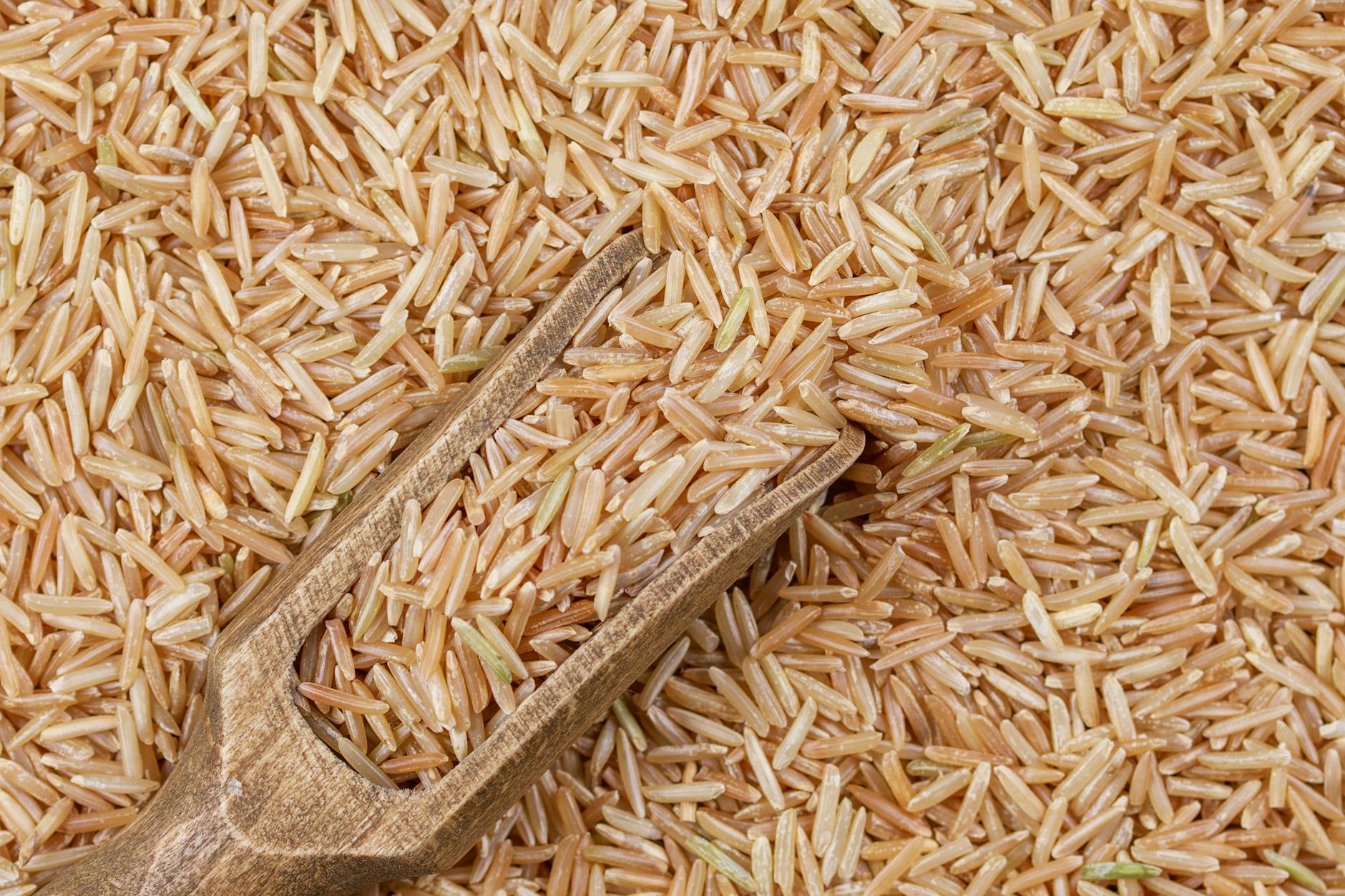
Whole grains contain the entire kernel—the bran, germ, and endosperm—which means they retain all the nutrients that refined grains lose. The bran contains dietary fiber and B vitamins. The germ contains vitamin E and bioactive compounds. The endosperm provides carbohydrates for energy. Together, these components protect your brain through multiple mechanisms. Dietary fiber feeds beneficial gut bacteria, which produce compounds that reduce neuroinflammation. Polyphenols act as antioxidants, reducing oxidative stress that damages neurons. B vitamins support energy metabolism in brain cells. Vitamin E protects cell membranes from oxidative damage. Betaine supports methylation processes critical for neural function. The research shows that eating more than three servings of whole grains daily is linked to slower rates of cognitive decline.
This is important because it suggests a dose-response relationship—more whole grains correlate with better outcomes. However, there’s a limitation worth noting: most of this research is observational, meaning it shows association rather than causation. People who eat more whole grains tend to be more health-conscious overall, exercise more, eat more vegetables, and have better healthcare access. These factors could partially explain the cognitive benefits. That said, the effect size is substantial enough that even accounting for these confounders, whole grains remain protective. Another limitation is individual variation. Someone with celiac disease or non-celiac gluten sensitivity may need to choose certified gluten-free whole grains like brown rice, quinoa, or oats. Others may not tolerate grains well due to digestive issues. For these populations, whole grains aren’t the answer, and supplementation might play a larger role. The brain health benefit also assumes you’re actually eating whole grains regularly, not just occasionally. This requires genuine dietary change, not a supplement you take once daily and forget about.
How Whole Grains Support Mood, Anxiety, and Cognitive Function
The brain-protective effects of whole grains extend beyond dementia prevention. Higher whole-grain intake is associated with better mood and less anxiety. This connection makes sense: improved gut health from fiber intake influences neurotransmitter production, particularly serotonin, much of which is synthesized in the gut. Stable blood sugar from whole-grain carbohydrates reduces mood swings and irritability. B vitamins support neurotransmitter synthesis directly. Consider a practical example: someone switching from white bread and sugary cereals to oatmeal and whole-wheat toast might notice not just improved energy levels, but also better mood stability and sharper focus by mid-morning.
The whole grains provide sustained carbohydrate energy, preventing the blood sugar crashes that leave you foggy and irritable. Meanwhile, the nutrients feed your brain’s neurotransmitter factories. A supplement containing one B vitamin cannot replicate this comprehensive support. The mood benefits appear relatively quickly compared to dementia protection. People often notice better emotional regulation and less afternoon anxiety within weeks of increasing whole-grain intake. This makes whole grains appealing not just for long-term dementia prevention, but for immediate quality-of-life improvements. For caregivers of people with dementia, this is particularly relevant—supporting your own mood and stress resilience is essential to providing good care.
Building a Brain-Protective Diet: Whole Grains Versus Supplements and Pills
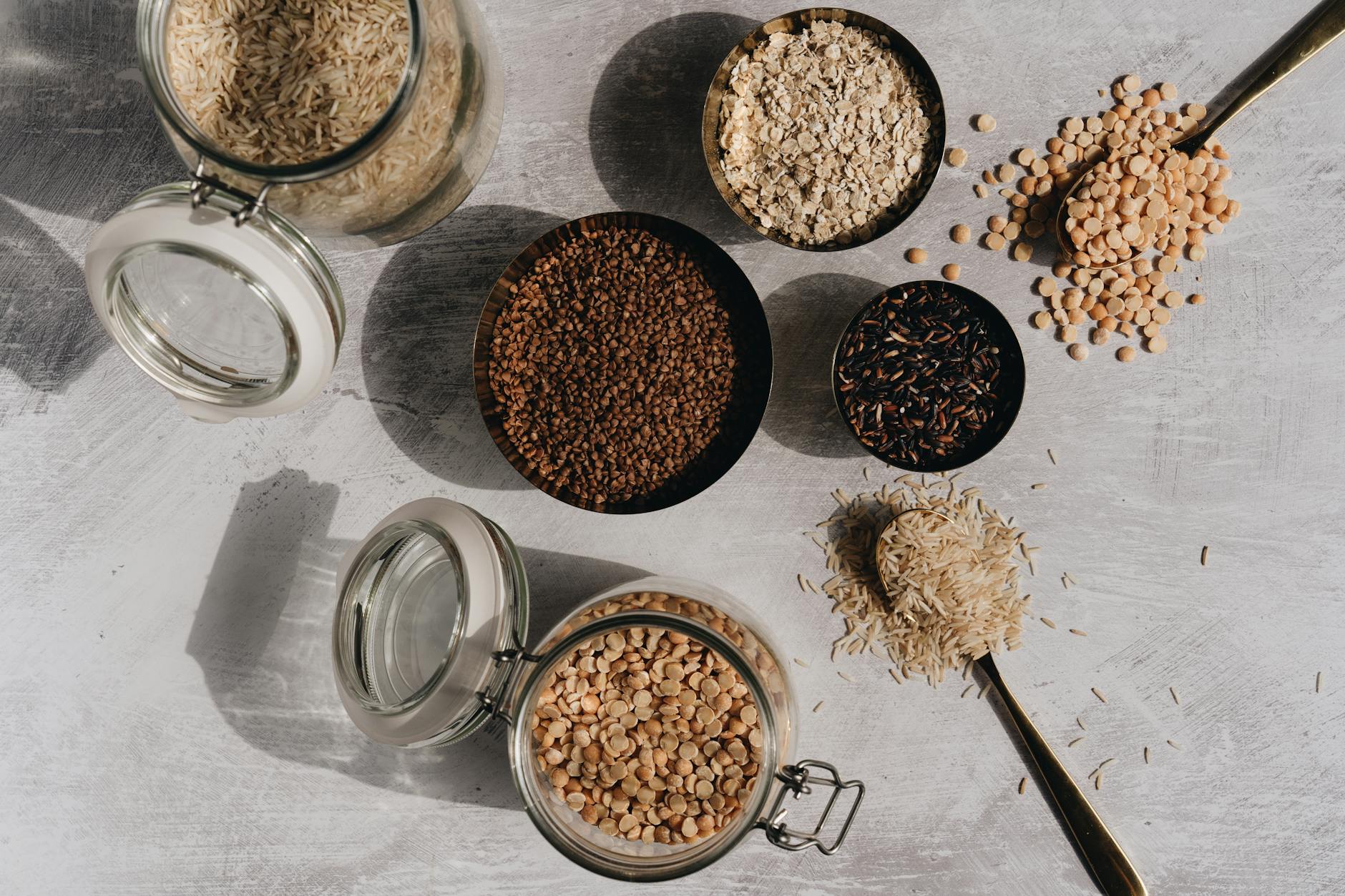
If you’re trying to protect your brain, the research suggests a clear hierarchy. First priority: eat whole grains daily, aiming for at least three servings. This means choosing brown rice over white, steel-cut oats over instant, whole-wheat bread over white bread. Second priority: eat a broad variety of other whole foods—colorful vegetables, legumes, nuts, and fatty fish. Third priority: if you have specific nutritional deficiencies diagnosed by a doctor, supplement those gaps. Most people don’t need supplements if they’re eating a varied whole-foods diet. The tradeoff is convenience. A supplement takes seconds to swallow. Cooking whole grains requires planning and time.
Brown rice takes 45 minutes; white rice takes 15. Steel-cut oats take 30 minutes; instant oats take 3. But here’s what the research suggests you get for that time investment: a 36% reduction in Alzheimer’s risk versus an inconclusive effect from most supplements. The math is straightforward. For people on tight budgets, whole grains are also more affordable than premium supplements. A bag of bulk oats costs a few dollars and lasts weeks. A bottle of supplement costs $15-50 per month and usually lasts the same duration. You get more nutrition per dollar from whole grains. Combined with the superior evidence, this makes whole grains the rational choice for nearly everyone concerned about brain health.
When Supplements Matter: Recognizing Actual Nutritional Deficiencies
This is important: supplements absolutely matter if you have a documented nutritional deficiency. If blood tests show you lack vitamin B12, you may need supplementation, especially if you’re vegan or over 60 (older adults often have reduced B12 absorption). If you have severe iron deficiency anemia, supplements can be critical. If you live somewhere with limited sun exposure and blood tests confirm low vitamin D, supplementation is reasonable. Doctors sometimes prescribe these supplements because the deficiency is real and the supplement addresses it. The warning: don’t assume you’re deficient without testing. Marketing has convinced many people that “feeling tired” means they need B vitamins or that “memory feels fuzzy” means they need brain supplements. Memory fuzziness could be sleep deprivation, stress, or depression—none of which a supplement will fix.
Low energy might reflect inadequate whole-grain carbohydrates and protein, poor sleep, or lack of exercise. Taking supplements to treat these problems is like taking painkillers for a broken bone instead of setting it. The supplement won’t fix the underlying issue. Another warning: some people are taking supplements instead of eating better. They’ll have a processed breakfast, skip lunch, and eat pizza for dinner, then swallow a handful of supplements believing they’re protecting their brain. This doesn’t work. Your brain needs consistent fuel, and whole foods provide that fuel along with thousands of bioactive compounds supplements can’t replicate. Supplements are additions to a good diet, not substitutes for one.

The Gut-Brain Connection: Why Whole Grains Work Where Supplements Often Fail
Recent neuroscience has revealed that your gut health directly influences your brain health through multiple pathways. The most important involves your gut microbiome—trillions of bacteria that thrive on dietary fiber from whole grains. These bacteria produce short-chain fatty acids, particularly butyrate, which crosses the blood-brain barrier and reduces neuroinflammation. This is a mechanism whole grains activate through their fiber content.
Most supplements don’t address the microbiome at all. A person eating whole grains daily is essentially feeding their beneficial gut bacteria, which in turn produce compounds that protect the brain. Someone taking isolated supplements is missing this entire system. This is why the effect of whole grains appears so substantial in research studies—they don’t just deliver nutrients; they activate your own biology’s protective mechanisms.
Looking Forward: Why Whole Grains May Be Underrated Brain Medicine
As dementia rates climb and healthcare costs soar, the research on whole grains and brain health becomes increasingly relevant. Prevention is far cheaper than treatment. A lifetime of eating whole grains costs a fraction of what dementia care costs society and individuals. Yet whole grains remain overlooked in discussions of brain health, overshadowed by expensive supplements and prescription medications.
This may be changing as research accumulates. The future likely holds more sophisticated understanding of exactly how whole-grain compounds protect the brain at the molecular level. But you don’t need to wait for perfect knowledge to act. The evidence we have now—a 36% reduction in Alzheimer’s risk for consistent whole-grain eaters—is strong enough to justify making them a dietary priority today, whether you’re concerned about your own cognitive future or supporting a family member with dementia. The investment is minimal; the potential return is profound.
Conclusion
Whole grains protect your brain better than supplements because they work through your body’s own biology rather than trying to outsmart it. They deliver multiple protective nutrients in natural proportions, feed your beneficial gut bacteria, maintain stable blood sugar, and support neurotransmitter production. The research showing 28% to 36% reductions in dementia risk is based on actual food consumed over years, not lab measurements or theoretical mechanisms. By contrast, most brain supplements show inconclusive evidence at best, and many show no benefit in rigorous trials.
If you’re spending money on brain supplements while eating refined grains and processed foods, consider redirecting that investment toward whole grains, vegetables, legumes, and other whole foods. This isn’t a dramatic or complicated change—it’s eating more of what humans ate for most of our history. Your brain evolved to thrive on food like this, not on pills. The science backs up what intuition might suggest: real food, prepared simply, beats supplements for protecting the one organ that makes you who you are.
Frequently Asked Questions
Do I need to eat only whole grains, or can I mix whole and refined grains?
The research on three or more servings of whole grains daily suggests this is the target. You don’t need to eat exclusively whole grains, but making whole grains the majority of your grain intake—perhaps 70-80%—appears to provide the cognitive benefits researchers observed.
Are whole-grain products like whole-grain bread and cereals as effective as bulk whole grains like brown rice and oats?
Most whole-grain products are effective as long as the first ingredient listed is a whole grain. However, some whole-grain products contain added sugars or sodium that may reduce their health benefits. Reading labels and choosing products with minimal added ingredients is important.
What if I can’t tolerate whole grains due to digestive issues?
Discuss alternatives with your doctor. Certified gluten-free whole grains like brown rice, quinoa, and millet may be tolerable. If grains genuinely cause problems, focus on other fiber sources like legumes and vegetables to feed your gut bacteria.
Should I take B vitamin supplements if I eat whole grains?
Unless your doctor has diagnosed a B vitamin deficiency, supplementing is unlikely to help and may provide no additional benefit beyond what whole grains already provide. Most people eating a varied diet with whole grains get adequate B vitamins.
How long before I’ll see cognitive benefits from eating more whole grains?
Mood and anxiety improvements may appear within weeks. The dementia risk reduction shown in research represents 12 years of consistent consumption. Start eating whole grains expecting long-term protection, not immediate cognitive enhancement.
If whole grains are so protective, why haven’t my doctors mentioned them?
Many doctors aren’t trained in nutrition and instead focus on treating disease once it occurs. Growing evidence on whole grains and cognitive health hasn’t made it into all medical curricula. You may need to take the initiative to increase whole-grain intake, though most doctors will support this dietary change.