Reviewed by the Help Dementia Editorial Team — our editors review every article for accuracy against guidance from the National Institute on Aging, the Alzheimer’s Association, and peer-reviewed sources.
Brain better sits at the center of this dementia and brain health question.
Recent research suggests that pecans may offer brain protection that rivals—and even surpasses—the cognitive benefits marketed by brain-health supplements. A comprehensive 2025 review published in *Nutrients* analyzed 52 peer-reviewed studies examining pecans and brain health, finding evidence that the compounds naturally present in pecans can counteract the oxidative stress and inflammation linked to age-related cognitive decline. Unlike brain supplements, which isolate specific nutrients in pill form, pecans deliver a complex combination of polyphenols, flavonoids, vitamin E, and ellagic acid that work together synergistically. For someone concerned about maintaining mental sharpness as they age, this distinction matters.
The key difference comes down to how our brains respond to whole food nutrition versus isolated compounds. Pecans rank 14th on the USDA’s list of foods highest in dietary antioxidants—and they’re the only nut to make that list. They contain the highest total polyphenol and flavonoid content of any tree nut, making them a unique nutritional resource for brain protection. While brain-health supplements promise cognitive benefits with limited evidence, pecans deliver measurable compounds that address the underlying cellular mechanisms of cognitive decline. A study with younger adults showed that consuming a pecan-enriched shake improved performance on tests of processing speed and memory, suggesting real cognitive effects at work.
Table of Contents
- Why Pecans May Outperform Brain Supplements
- What the Research Actually Shows About Long-Term Brain Health
- Understanding Pecans’ Unique Brain-Protective Compounds
- How to Incorporate Pecans Into Your Brain-Health Strategy
- Why Results Vary Between Studies—and What That Means for You
- Pecans Versus Other Brain-Healthy Foods and Supplements
- The Future of Pecan Research and Brain Health
- Conclusion
Why Pecans May Outperform Brain Supplements
The advantage of pecans over supplements lies in their nutritional complexity. A single pecan contains hundreds of bioactive compounds working in concert—something no supplement label can fully replicate. The polyphenols in pecans don’t just exist in isolation; they’re surrounded by fiber, minerals, healthy fats, and other phytochemicals that enhance their absorption and effectiveness. When you take a supplement marketed as a “brain booster,” you’re often getting a high dose of one or two extracted compounds, such as ginkgo biloba or acetyl-L-carnitine, without the supporting nutritional matrix that makes these compounds effective. The 2025 *Nutrients* review found that whole foods are considered preferable to supplements—whole food nutrients provide health benefits that multivitamins in pill form cannot fully replicate.
Research has identified a practical difference in how the body processes pecans versus supplements. In a study of 31 healthy adults aged 18-30, those who consumed a pecan-enriched shake providing 68 grams of pecans showed improvement on 8 of 23 cognitive tests, particularly in processing speed, memory, and learning. These weren’t dramatic improvements, but they were measurable and consistent across multiple cognitive domains. By contrast, many commercial brain supplements show benefits primarily in marketing materials rather than in rigorous peer-reviewed studies. The synergistic effect of pecans’ nutrients—the way polyphenols work alongside vitamin E and ellagic acid—appears to be what makes them effective, something you simply cannot capture by taking separate supplements.
What the Research Actually Shows About Long-Term Brain Health
The honest answer is that while pecans show promise, the long-term cognitive benefits in human studies remain mixed. A 4-week pecan-enriched diet trial in healthy older adults, with participants consuming 68 grams of pecans daily, showed no statistically significant differences in cognitive performance measures compared to diets without nuts. This is an important finding that doesn’t make it into marketing materials: the acute cognitive boost seen in younger adults didn’t translate into measurable long-term improvements in older populations over a four-week period. This limitation suggests that pecans may be most helpful as part of a lifelong dietary pattern rather than a quick fix for cognitive decline.
The limitation here is worth understanding clearly: current research is constrained by relatively small sample sizes, variation in study design, different intake levels tested, and limited data in emerging areas like brain health specifically. A study with 31 participants is informative but not definitive. The difference between an acute cognitive boost (which the younger adults experienced) and sustained cognitive protection over months or years remains unclear. What we do know is that the compounds in pecans—particularly their antioxidant and anti-inflammatory properties—address the underlying cellular damage that contributes to cognitive decline. For someone already experiencing significant cognitive symptoms, pecans are a supportive food, not a replacement for medical evaluation or cognitive rehabilitation.
Understanding Pecans’ Unique Brain-Protective Compounds
The specific compounds in pecans that benefit brain health work through well-understood biological mechanisms. Polyphenols reduce inflammation in brain tissue, while vitamin E protects cell membranes from oxidative damage. Ellagic acid, found abundantly in pecans, has been shown in laboratory studies to reduce accumulation of tau protein and beta-amyloid—the same pathological changes seen in Alzheimer’s disease. These aren’t theoretical benefits; they’re addressing the actual biochemical processes that harm cognition with age. No single supplement contains this particular combination in the quantities naturally present in whole pecans.
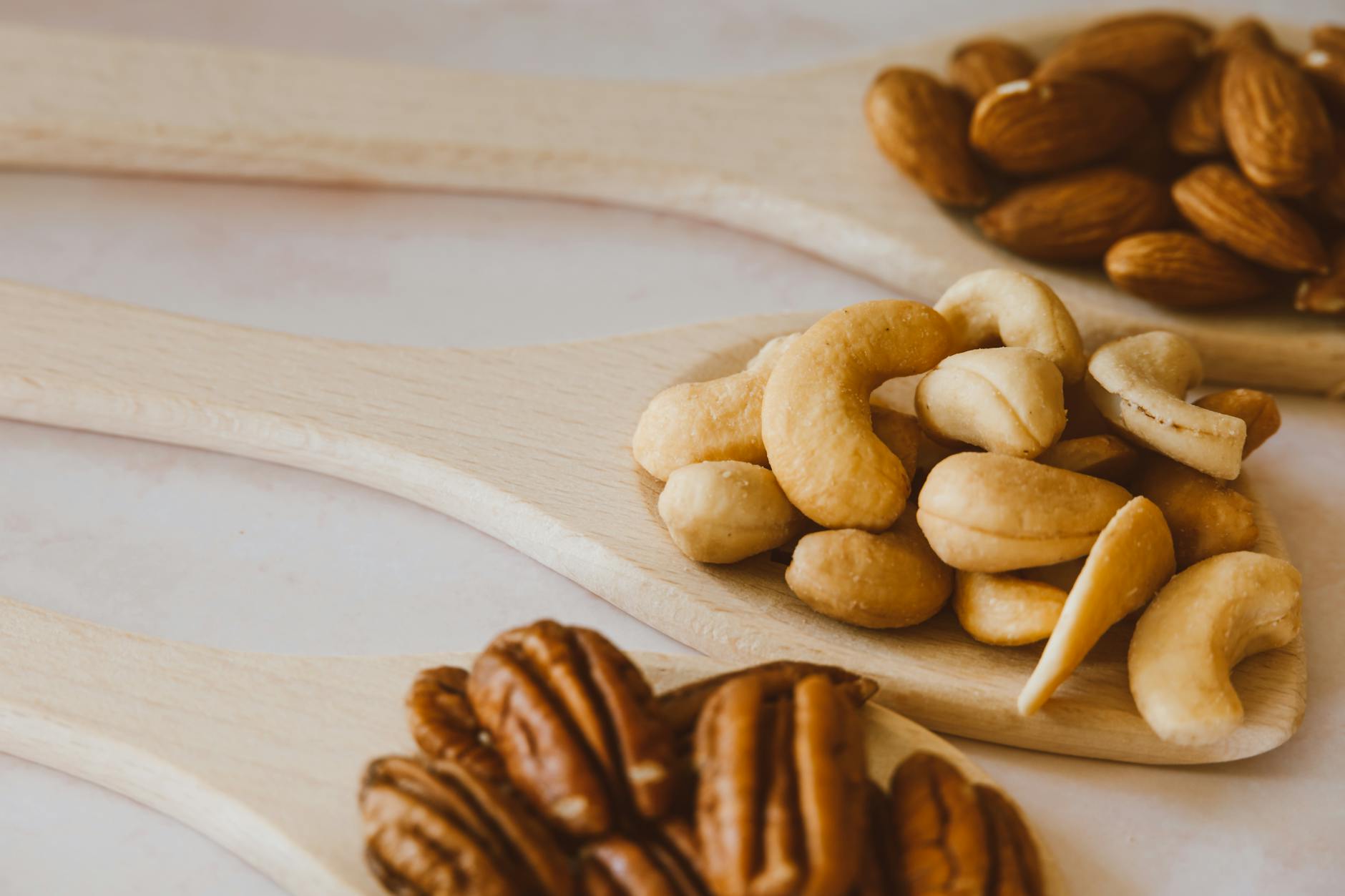
Consider the practical example of someone trying to protect against mild cognitive impairment through diet. If they take a generic “brain health” supplement, they’re getting a standardized formula designed for a broad population. If they incorporate pecans into their regular diet—roughly a small handful or 23 pecans per serving, which provides about 68 grams—they’re getting a food optimized by millions of years of evolution to protect itself, and whose compounds happen to also protect human brains. The research shows that this natural concentration of compounds appears more effective than supplements that isolate and concentrate single ingredients. The body appears to recognize and utilize whole foods more efficiently than extracted nutrients, though research on exactly why remains ongoing.
How to Incorporate Pecans Into Your Brain-Health Strategy
If you’re considering pecans as part of brain health management, the practical approach is straightforward but requires realistic expectations. The research suggests that a serving of 68 grams daily—roughly a small handful of pecans—provides the amount tested in cognitive studies. This is easier to sustain than most supplement regimens because pecans are a real food that satisfies, tastes good, and fits naturally into meals: sprinkled on salad, added to oatmeal, or eaten as a snack. A major advantage over supplements is that you’ll feel satiated after eating pecans, whereas a supplement provides no sense of fullness or satisfaction.
The tradeoff is that pecans contain significant calories (about 196 calories per ounce), so you can’t simply add them to your diet without adjusting other foods if weight management is a concern. Many brain supplements, by contrast, add negligible calories. For someone managing their weight while trying to protect cognitive health, pecans require more intentional planning—you might replace a less nutritious snack with pecans rather than simply adding more food. The evidence suggests this substitution is worth making: pecans’ combination of antioxidants, healthy fat, and satiety makes them a superior choice to both less nutritious snacks and to isolated brain supplements that provide no food value beyond the supplement itself.
Why Results Vary Between Studies—and What That Means for You
A significant limitation in pecan and brain health research is that different studies use different protocols, testing different age groups, different pecan quantities, and different measures of cognitive function. The 31-person study showing acute cognitive benefits tested young adults, while the 4-week trial showing no significant long-term improvements tested older adults. These different populations may respond differently to pecan supplementation—something the research hasn’t fully clarified yet. This variation is normal in nutrition research, but it means you should be cautious about any claim that pecans are a proven cognitive enhancer. They show promise, yes, but the evidence is not yet conclusive.
The warning worth heeding is that pecans are not a substitute for established cognitive-protection strategies. The research is clear that what protects the brain includes cardiovascular exercise, cognitive engagement, quality sleep, and social connection—factors with far more research evidence behind them than pecans alone. Pecans should be viewed as a supportive dietary component within a comprehensive brain-health strategy, not as a replacement for these proven practices. If you’re experiencing cognitive symptoms or have concerns about dementia risk, discussion with a healthcare provider remains essential. Pecans are best understood as part of a preventive approach for people with normal cognition who want to reduce future risk.

Pecans Versus Other Brain-Healthy Foods and Supplements
When comparing pecans to other dietary sources of brain-protective compounds, pecans have a genuine advantage in antioxidant density. While blueberries are often marketed for brain health, pecans rank higher on the USDA antioxidant scale and provide different beneficial compounds. A comparison across foods shows that pecans deliver their nutrients in a format that supports satiety and sustained energy—factors that indirectly protect brain health by promoting stable blood sugar. Supplements promising similar antioxidant benefits typically cost more per unit of active compound than simply eating pecans, while delivering less satisfying nutrition.
The practical advantage is that pecans require no adherence coaching. People remember to eat food they enjoy. Supplement adherence drops dramatically after a few weeks for most people; the commitment to daily supplements requires discipline that many can’t sustain. With pecans, if you enjoy them, adherence happens naturally.
The Future of Pecan Research and Brain Health
The 2025 *Nutrients* review analyzed 52 studies conducted between 2000 and 2025, reflecting growing scientific interest in pecans specifically—a relatively recent development in nutrition research. Future studies are likely to include larger sample sizes, longer follow-up periods, and more specific measures of brain health and cognitive function. Researchers are also beginning to examine whether pecans might have protective benefits for people already experiencing cognitive decline, not just for cognitive preservation in healthy adults.
These emerging studies may clarify whether the acute cognitive boost seen in younger adults can translate into meaningful long-term protection. Looking forward, pecans are likely to become increasingly recognized as a legitimate component of evidence-based brain-health nutrition, though they’ll remain most effective as part of a comprehensive approach rather than as a standalone intervention. The research trajectory suggests that pecans will eventually be recommended alongside other dietary and lifestyle practices—not because they’ve been proven in a single dramatic study, but because they represent a simple, affordable, and evidence-supported choice that addresses real mechanisms of cognitive decline.
Conclusion
Pecans may indeed protect your brain better than supplements—not because they’re a miracle food, but because they deliver a complex array of brain-protective compounds in a whole-food matrix that your body recognizes and utilizes effectively. The research showing acute cognitive benefits in younger adults, combined with the high antioxidant and polyphenol content of pecans, suggests real potential for cognitive protection. However, the longer-term benefits in older adults remain unclear, and pecans work best as part of a comprehensive brain-health strategy that includes exercise, cognitive engagement, sleep, and social connection.
If you’re looking for a practical way to support your brain health through diet, pecans offer a straightforward choice with emerging evidence and no downside beyond the calories they contain—which can be managed through substitution. You don’t need to wait for more research to incorporate pecans into your diet; the current evidence is sufficient to recommend them as part of brain-healthy eating. Discuss any significant concerns about cognitive health with your healthcare provider, but for preventive brain protection, a daily handful of pecans represents a simple, enjoyable, and evidence-supported choice.
You Might Also Like
- wild blueberries May Protect Your Brain Better Than Supplements
- whole grains May Protect Your Brain Better Than Supplements
- walnuts May Protect Your Brain Better Than Supplements
For more, see Alzheimer’s Association — clinical trials.