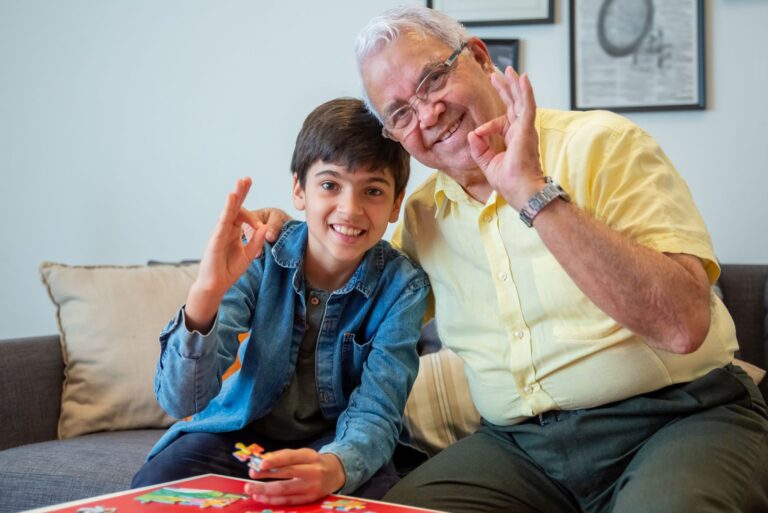
Picture bingo adapts by shifting from traditional rules to picture-matching in middle stages and sensory engagement in late stages, while early-stage players can handle standard games. The activity engages multiple cognitive skills—number or letter recognition, short-term memory, and concentration—all core areas affected by dementia, keeping the game meaningful as abilities change. Each stage requires different card formats, rule modifications, and facilitator approaches, so caregivers can maintain social engagement and cognitive challenge without creating frustration.
Medical information disclaimer: This article is for general educational purposes only and does not provide medical advice, diagnosis, or treatment. Always consult a physician or other qualified health professional about symptoms, medications, tests, or treatment decisions.
Table of Contents
- Early-Stage Dementia: Standard Games and Familiar Format
- Middle-Stage Dementia: Picture-Matching and Visual Clarity
- Late-Stage Dementia: Sensory Engagement Over Competition
- Facilitator Approach and Real-Time Adaptation
- Long-Term Cognitive and Social Benefits
- Frequently Asked Questions
Early-Stage Dementia: Standard Games and Familiar Format
Early-stage dementia patients can participate in standard bingo or word-based games with minimal modification, since they retain concentration abilities for approximately 30 minutes during focused activities like card games. Use the traditional card layout, standard numbers or letters, and familiar rules—the familiarity itself becomes therapeutic.
Group play is important at this stage. The social structure of sitting together, calling numbers, and celebrating wins often provides more value than the cognitive challenge itself.
Middle-Stage Dementia: Picture-Matching and Visual Clarity
Middle-stage dementia requires picture-matching versions over word-based bingo because patients experience reduced concentration and visual processing decline; themes include animals, instruments, or household objects. This shift moves away from symbols and numbers toward direct visual recognition, which remains stronger longer.
High-contrast cards with large print significantly improve performance on bingo tasks for people with cognitive decline. Pair clear images with simplified rules—fewer cards on the table, fewer spaces per card, or fewer total numbers to be called per round. Good lighting and comfortable seating matter too.
Late-Stage Dementia: Sensory Engagement Over Competition
Late-stage or advanced dementia requires abandoning traditional game rules entirely, shifting to sensory-focused engagement: soft tactile items, familiar music, hand-over-hand activities, and comfort-based presence rather than cognitive competition. The goal is no longer winning but participation, connection, and enjoyment.
A caregiver might hold the card alongside the person, touch their hand when a picture is called, or play familiar background music. The "game" becomes an opportunity for one-on-one connection and sensory experience.
Facilitator Approach and Real-Time Adaptation
Cognitive Stimulation Therapy (CST), which includes picture-based and matching activities, consists of 14 structured sessions approximately 45 minutes each, with facilitators adjusting activities in real time based on individual participation and engagement. This shows that consistent, guided play with a trained leader produces better outcomes than free play.
Watch for signs of frustration or fatigue. If a player stops responding to called numbers, they may need fewer cards, a clearer theme, or a transition to purely sensory engagement. The flexibility to adapt moment-by-moment matters as much as the game itself.
Long-Term Cognitive and Social Benefits
In a 12-week research study, participants with mild dementia showed greater cognitive score improvements through board games than those with moderate dementia, suggesting earlier intervention produces stronger measurable outcomes. Starting games early—even in early-stage dementia—may be more effective than waiting.
Beyond individual cognition, social activity through group bingo play is associated with delaying cognitive decline; older adults who remained socially active developed dementia up to five years later than those who were less socially engaged. Even in late stages where competitive play is no longer possible, the social and sensory presence during play offers measurable value.
Frequently Asked Questions
Does picture bingo have to be played in a group, or can one person play with a caregiver?
Research on bingo benefits specifically emphasizes social activity and group play as key factors, and group settings create both cognitive and social engagement. One-on-one play with a caregiver, especially in late stages, still provides sensory and emotional connection—the form just shifts from competitive game to comfort-based activity.
What if someone with dementia becomes frustrated or refuses to play?
Frustration signals a need to adapt. If a player struggles with the format or rules, shift to simpler cards, fewer options, or sensory-only play. In late-stage dementia, stopping competitive play and moving to hand-over-hand activities or just holding the card together removes the frustration trigger while keeping the connection.
Does picture bingo help prevent dementia, or only manage existing symptoms?
Social activity through group play is associated with delaying cognitive decline; older adults who remained socially active developed dementia up to five years later than those who were less socially engaged. This suggests regular, social play may help prevent or delay dementia onset in older adults without diagnosis, while also providing cognitive and emotional benefits for those already diagnosed.