Picture bingo supports engagement in dementia care by activating multiple cognitive systems simultaneously—auditory processing, visual scanning, attention, recognition, and decision-making—making it an efficient brain-stimulating activity that works even for people whose number-processing skills have declined. Picture bingo uses illustrated cards showing animals, objects, or images instead of numbers. Research shows that this engagement also reduces social isolation, a known dementia risk factor. Bingo is practical in both group settings and one-on-one play at home, making it accessible across different care environments.
Medical information disclaimer: This article is for general educational purposes only and does not provide medical advice, diagnosis, or treatment. Always consult a physician or other qualified health professional about symptoms, medications, tests, or treatment decisions.
Table of Contents
- Five Cognitive Systems at Work
- Measurable Cognitive Gains
- Customizing Bingo for Success
- Social Connection at Every Stage
- One-on-One Play at Home
Five Cognitive Systems at Work
According to the International Association for Indigenous Aging, the game engages five distinct cognitive systems simultaneously: hearing numbers or names called, visually scanning the card to locate matching pictures, maintaining attention and focus, recognizing images and retrieving related memories, and making the decision to mark the card. This multi-layered activation makes bingo more cognitively demanding than it appears, and that demand is exactly what the brain needs. This simultaneous activation of multiple mental processes is particularly valuable in dementia care because it creates a richer cognitive stimulus than single-task activities.
Measurable Cognitive Gains
A seven-week nursing research study of older adults with dementia found significant measurable improvements across memory, thinking, orientation, language, and command functions. The improvements were documented and reproducible, not subjective impressions.
Research shows that individuals who remain socially active develop dementia up to five years later than socially isolated peers. bingo maintains that protective social connection and reduces isolation, which is a known dementia risk factor.
Customizing Bingo for Success
According to Dementia Shop Australia, larger bingo cards measuring 18–24 inches with the largest font sizes and highest contrast between colors and background improved playing performance and cognition in seniors with reduced visual and cognitive abilities. Standard cards are often too small for effective participation. The International Association for Indigenous Aging notes that shorter sessions of 10–20 minutes repeated multiple times daily produce better engagement than single longer sessions, preventing fatigue while maintaining therapeutic benefit.
A 15-minute game in the morning and another in the afternoon will yield more engagement than one 45-minute session. Engagement is further enhanced when activities are appropriately challenging for the individual, age-appropriate, visually appealing, aligned with personal interests, and supported by caregiver training. Customizing the images on bingo cards to match a person's hobbies—gardening tools for someone who loved gardening, dog breeds for a lifelong dog lover—increases participation.
Social Connection at Every Stage
According to the International Association for Indigenous Aging, as cognitive participation increases during bingo play, social interaction between participants increases measurably. In groups, people talk to each other, offer encouragement, and laugh together. These interactions buffer against isolation and reinforce sense of belonging.
In advanced dementia, when cognitive gains plateau, the measure of success shifts. Engagement is assessed by emotional response—smiling, vocalizing, and feeling included—rather than winning the game. A person may not remember playing five minutes after it ends, but the sense of connection and enjoyment remains.
One-on-One Play at Home
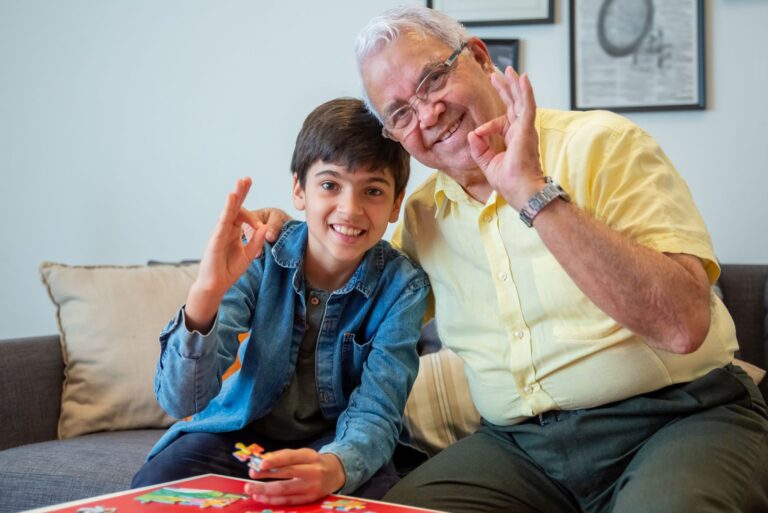
Picture-based bingo is practical for individual play with a single caregiver or family member and does not require group settings. This expands accessibility across facilities, assisted living, and home environments.
A family member or paid caregiver can sit with someone, call out the pictures, and play a full game in 15 minutes without needing a group. This makes bingo accessible even when facility group programs are limited or when someone is housebound. The same cognitive and emotional benefits apply in one-on-one settings.