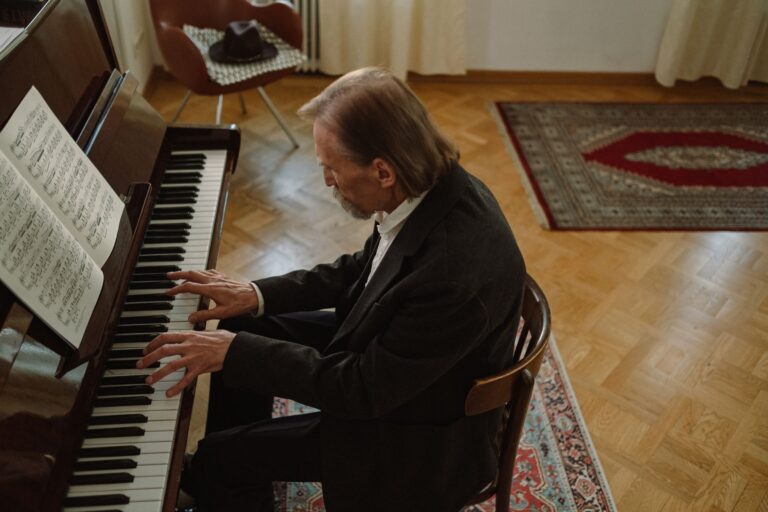
Regular music listening and playing are linked to lower dementia risk, but they do not provenly prevent Alzheimer's. For people living with hypertension, diabetes, obesity, or high cholesterol, managing those conditions remains the central risk-lowering step. Alzheimer's prevention here means actions that may lower risk, not guarantee protection. Music practice means active playing or singing, plus regular listening to familiar music.
Medical information disclaimer: This article is for general educational purposes only and does not provide medical advice, diagnosis, or treatment. Always consult a physician or other qualified health professional about symptoms, medications, tests, or treatment decisions.
Table of Contents
- What links music to lower dementia risk?
- Does playing help when risk is already high?
- What can music do after dementia starts?
- Where do chronic conditions fit?
- Frequently Asked Questions
What links music to lower dementia risk?
In Monash University's observational analysis of 10,893 adults age 70 and older without dementia, those who always listened to music had about 39% lower dementia risk, according to the FCP Live-In summary of the Monash study. The pattern shows association, not proven prevention.
Healthy, socially active people may simply listen more. In the same older-adult group, adults who often or always played an instrument had about 35% lower dementia risk. Those doing both had 33% lower dementia and 22% lower cognitive impairment risk, Monash University reported in the same summary.
Does playing help when risk is already high?
Midlife mental, social, and physical activity supported thinking skills even in people with higher genetic or family risk. Trinity College Dublin researchers included piano playing among those protective activities, according to MedicalXpress reporting on the Trinity study.
That finding matters for readers with a parent or sibling with Alzheimer's. An instrument, choir, language class, walking group, or volunteer role can add regular mental and social effort. Pick one activity you will keep doing weekly.
What can music do after dementia starts?
Music-based therapy probably slightly improves depressive symptoms in dementia, mostly among care-home residents. Cochrane researchers reported that result from 30 trials with 1,720 participants, according to EurekAlert coverage of the Cochrane review. It may also improve overall behavioral problems.
The same Cochrane review found music therapy was unlikely to reduce agitation or aggression or improve cognition. Long-term effects beyond four weeks were uncertain because few trials followed participants longer. A separate 10-week caregiver-led program of singing and familiar-music listening improved cognitive function in early-stage dementia, Vanderbilt Health summarized.
Where do chronic conditions fit?
The U.S. National Institute on Aging says no proven way exists to prevent Alzheimer's. It lists control of hypertension, diabetes, obesity, and high cholesterol, plus physical activity and hearing care, as steps that may lower risk.
Treat music as an enjoyable addition, not a substitute for medical care. Useful weekly habits look like this: The Foundation for the NIH funds $100,000 grants for music-therapy neuroscience research in Alzheimer's, Parkinson's, stroke, and depression. That program treats music as medicine under study, not as an established treatment.
- take blood pressure, diabetes, cholesterol, and weight plans as prescribed
- add brisk walks, strength work, sleep care, and hearing checks
- schedule short music time, such as singing familiar songs or practicing an instrument
- track mood, memory concerns, and medication issues for the next clinic visit
Frequently Asked Questions
Should I start piano lessons to prevent Alzheimer's?
Lessons can add mental, social, and physical activity, which supported cognition in higher-risk people in the Trinity research. Keep medical risk management first and choose lessons only if you enjoy them enough to continue.
What music approach helps a person with early dementia now?
Regular singing and listening to familiar, liked songs has the most direct support for mood and early-stage function. Keep sessions short, calm, and caregiver-led, and ask the care team about music-therapy options.