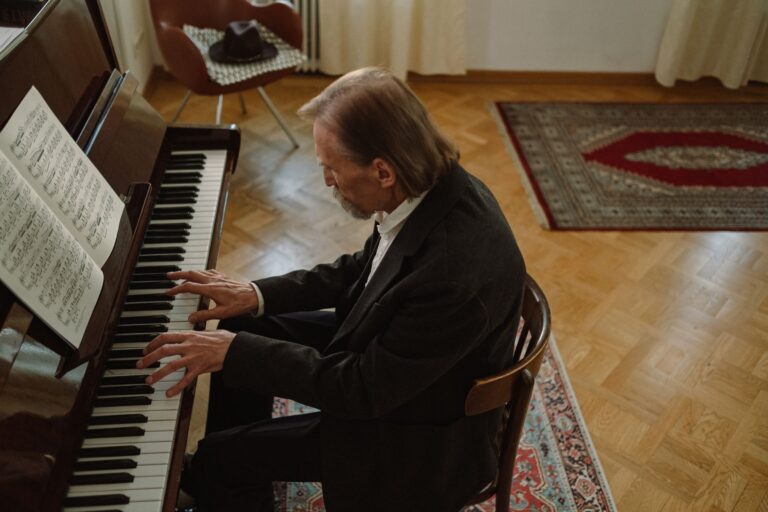
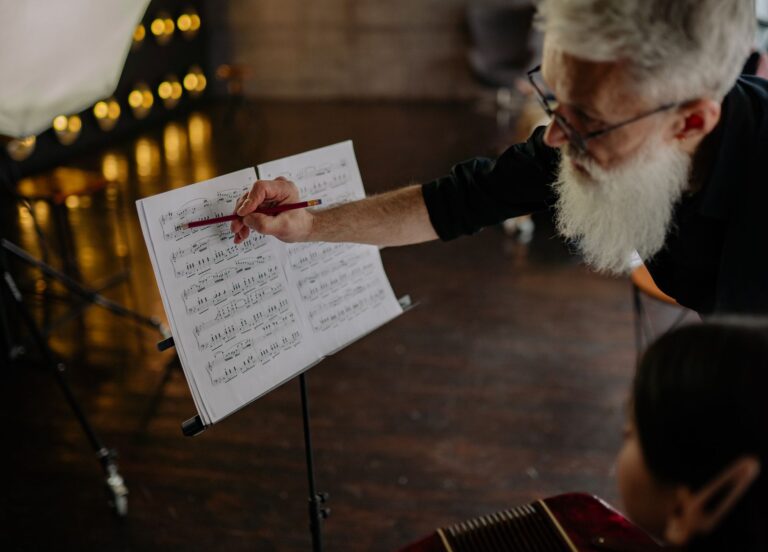
Common barriers are sore hands, hearing loss, breathing and movement limits, low mood, weak support, and cost. They block regular practice when arthritis, COPD, Parkinson's, stroke, depression, and hearing changes overlap with brain-health goals.
Dementia prevention means habits that may lower later risk, not treatment that stops dementia. Music practice here means repeated singing or playing to stay active and connected. Other conditions raise the effort because the same day must also hold pain care, breath limits, mood dips, and clinic visits.
Medical information disclaimer: This article is for general educational purposes only and does not provide medical advice, diagnosis, or treatment. Always consult a physician or other qualified health professional about symptoms, medications, tests, or treatment decisions.
Table of Contents
- When hands, ears, and breath get in the way
- Why mood and follow-through drop
- What cost, access, and time demand
- How prevention goals fit chronic care
When hands, ears, and breath get in the way
Seniors Info notes hand arthritis, reduced finger strength, and joint pain make pressing keys, gripping strings, and holding instruments painful. Older beginners often need adaptive technique or a different instrument. A lighter keyboard action, soft strings, or a smaller grip can reduce strain during short sessions. Seniors Info notes age-related hearing changes dull pitch tuning, rhythm feel, and timing with others.
Players may miss high notes, drift off beat, or struggle in groups. Hearing-aid checks, visual tuners, simple amplification, and a teacher used to older learners help correct course. The NCCIH Clinical Digest notes COPD-linked breathlessness shortens singing phrases and makes wind instruments hard. Parkinson- or stroke-linked limits in movement, gait, and coordination disrupt steady practice. Shorter songs, seated play, and percussion or strummed parts lower the load.
Why mood and follow-through drop
The MIDDEL evaluation team links depression and apathy to lower motivation, attendance, and daily practice. These symptoms often occur alongside memory decline and directly break prevention routines. A missed week then feels harder to restart than to continue.
Researchers reporting in MDPI Behavioral Sciences found the same pattern at program level. Lack of managerial support, staff turnover, and low participant or staff motivation blocked music work for residents with dementia and depression care-home process findings. Family help with rides, reminders, and fixed practice times protects home routines in the same way.
What cost, access, and time demand
Cost, instrument access, and finding a suitable teacher block many starts. Seniors Info puts private lessons at $30–$60 per half hour and says progress needs 20–30 minutes of practice most days lesson and practice costs. That daily slot competes with medicines, meals, rest, and appointments.
Reduce risk before spending much. Use these three checks to match the instrument to the body. Renting first lets hands and lungs test the real load. An early switch to a low-strain option saves money and pain.
- rent first and test weight, grip, and breath demand
- ask teachers about older beginners, arthritis, and hearing loss
- book one fixed daily practice window most days
How prevention goals fit chronic care
Dementia prevention competes with daily disease care. The BrightFocus Foundation, summarizing the 2024 Lancet Commission, links about 45% of dementia cases to 14 modifiable risks 14-risk summary. The list includes hearing loss, depression, inactivity, diabetes, hypertension, smoking, and isolation.
NCCIH describes music-health evidence as preliminary and symptom-focused Music and Health guide. That limit points to comfort, mood, and function as nearer goals than certain prevention. Rent, pick a low-strain instrument, and seek adapted instruction.