You can fit music into dementia prevention alongside hypertension, diabetes or heart disease. Link brief daily listening or playing to walks, group time, vascular checkups and hearing and vision care.
CIND means cognitive impairment without dementia, an at-risk stage before dementia. According to Monash University, always listening, versus never, rarely or sometimes listening, was linked to 39% lower dementia risk and 17% lower CIND risk in 10,893 dementia-free Australians age 70 and older in its study publication page. That finding frames music as a steady companion habit, not a cure.
Medical information disclaimer: This article is for general educational purposes only and does not provide medical advice, diagnosis, or treatment. Always consult a physician or other qualified health professional about symptoms, medications, tests, or treatment decisions.
Table of Contents
- What did the study find about listening and playing?
- Why pair music with vascular and lifestyle care?
- How can you anchor music to a normal day?
- What should you not expect?
What did the study find about listening and playing?
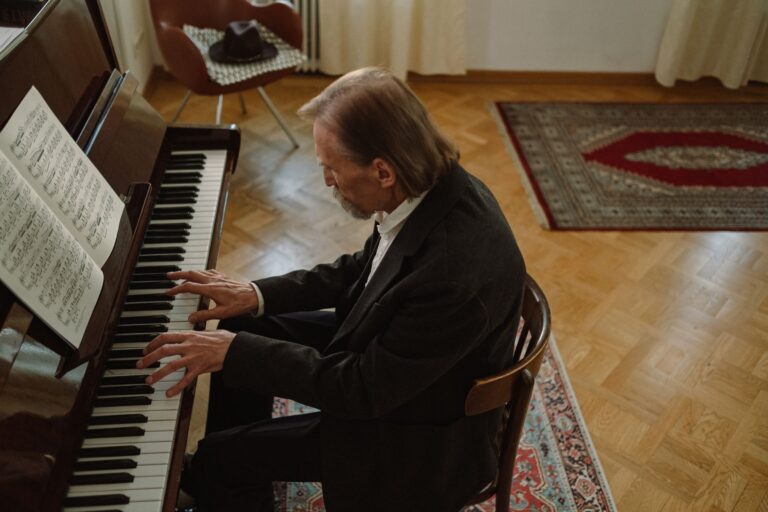
Often or always playing an instrument was linked to 35% lower dementia risk, according to Monash University. People who both listened and played had 33% lower dementia risk and 22% lower CIND risk. Always listening was also linked to better global cognition and memory scores over time in the same group, according to Monash University.
Music engagement was not linked to changes in subjective cognitive wellbeing. These results come from observational ASPREE/ALSOP follow-up data adjusted only for age, sex and education, according to Monash University. They show association, not proof that music prevents dementia.
Why pair music with vascular and lifestyle care?
Up to 45% of dementia risk could be prevented or delayed by acting on modifiable risks across life, according to the World Health Organization in its 2026 guidelines news release. That broad opportunity explains why music alone is not enough. The Lancet commission lists 14 drivers behind about 45% of cases, according to The Lancet.
They include low education, hearing loss, high LDL, hypertension, diabetes, smoking, obesity, depression, inactivity, heavy drinking, brain injury, isolation, air pollution and vision loss. For adults with hypertension, diabetes or heart disease, WHO prevention guidance stresses regular activity, no tobacco, social and mental engagement, blood-pressure and diabetes control, hearing aids when needed, and no vitamin supplements for prevention, according to GMJ News summary. Music fits inside the engagement piece while clinic care handles vessels and metabolism.
How can you anchor music to a normal day?
Use existing habits and visits as anchors so practice survives busy weeks and low energy. Brief daily listening or practice can sit beside walks, group playing, vascular checkups and hearing and vision care, according to the World Health Organization.
Review the log before each vascular visit and adjust the load. On flare days choose listening over practice and keep social contact. On good days add one active session like rehearsal or a lesson.
- Play favorite songs during a short walk with a friend or family member.
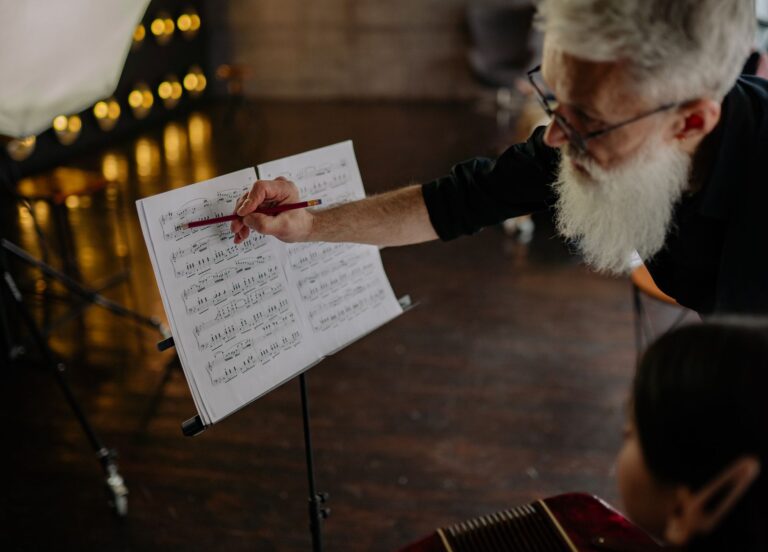
- Join a weekly group sing, drum circle or beginner instrument class.
- Keep a simple log for checkups with blood-pressure, diabetes and medicine notes plus practice days.
- Pair hearing and vision visits with playlist updates that sound clear with aids or glasses.
What should you not expect?
Do not expect music to replace disease control, exercise, hearing aids or social support. The study design cannot rule out other reasons active music lovers stayed sharper, since it adjusted for few factors. Also expect uneven day-to-day focus even as test scores hold steadier over time.
That gap matches the finding of better memory scores without better self-rated cognition. Keep vitamin supplements out of the prevention plan and put effort into proven steps. Bring new memory concerns, very high readings, chest pain or low mood to the care team promptly.