Yes, many dementia risk factors can be changed—and some of the most impactful are entirely within your control. Research increasingly shows that modifiable lifestyle factors account for roughly 35-45% of dementia risk, meaning the choices you make about diet, exercise, sleep, social connection, and cognitive engagement directly influence whether you develop cognitive decline. A 65-year-old who begins strength training, improves their blood pressure control, and strengthens social ties can meaningfully reduce their dementia risk, even if they have a family history of Alzheimer’s disease.
The key distinction is between non-modifiable risk factors—age, genetics, apolipoprotein E4 (APOE4) gene status—and modifiable ones that respond to intervention. You cannot change your birthday or your parents’ medical history, but you can change your diet, exercise frequency, hearing correction, sleep quality, cognitive engagement, and social activity. The evidence here is substantial: multiple large studies show that people who address even a few modifiable risk factors see measurable improvements in cognitive function and reduced dementia incidence over 10-20 year follow-ups.
Table of Contents
- Which Risk Factors Can Actually Be Modified?
- Cardiovascular Health as a Primary Leverage Point
- Physical Exercise and Brain Resilience
- Dietary Patterns That Protect Cognitive Function
- Cognitive Engagement, Education, and Mental Stimulation
- Sleep Quality and Sleep Duration
- Social Connection and Isolation Prevention
Which Risk Factors Can Actually Be Modified?
The modifiable dementia risk factors that researchers have confirmed through large prospective studies include physical inactivity, hypertension, obesity, diabetes, smoking, excessive alcohol use, depression, social isolation, cognitive inactivity, low educational attainment in midlife, hearing loss (when untreated), and poor diet quality. Each one is changeable, though the ease of change varies widely. A person diagnosed with Type 2 diabetes can modify their glucose control through medication and lifestyle; someone with untreated hearing loss can obtain a hearing aid.
The challenge is that changing multiple risk factors simultaneously—which produces the greatest protective effect—requires sustained effort and often confronts competing life demands. Non-modifiable factors, by contrast, set baseline risk but do not preclude benefit from lifestyle change. If you carry two copies of the APOE4 gene (a strong genetic risk for Alzheimer’s), your baseline risk is higher, but research shows that regular aerobic exercise, cognitive engagement, and good cardiovascular health still reduce your absolute risk compared to APOE4+ individuals who are sedentary and isolated. Genetic predisposition is not destiny; it is a reason to be especially intentional about the modifiable factors.
Cardiovascular Health as a Primary Leverage Point
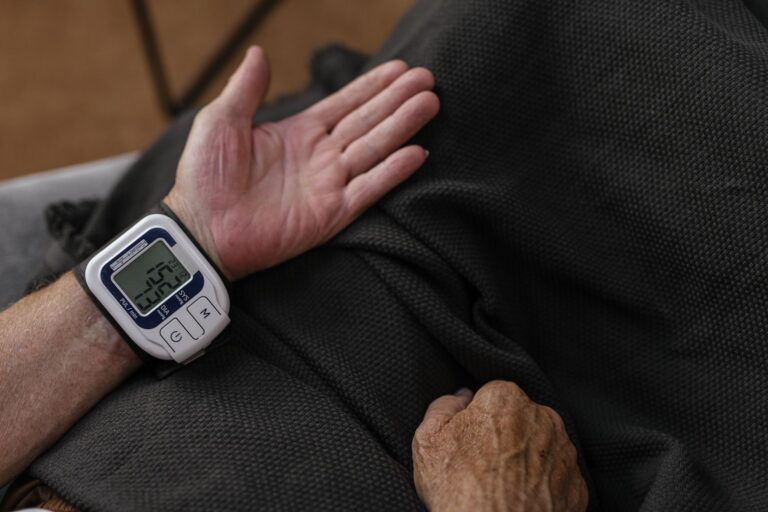
Hypertension and cardiovascular disease account for a substantial portion of dementia risk, in part because the same mechanisms that damage arteries in the heart and extremities also damage cerebral blood vessels. A 55-year-old with consistently elevated blood pressure (160/100 or higher) faces a significantly higher dementia risk than a peer with normal or well-controlled blood pressure (under 130/80). The relationship is not straightforward—very low blood pressure in late life can also increase risk—but midlife hypertension control is protective.
The limitation here is that some people have medication-resistant hypertension or side effects that limit tolerance of certain blood pressure drugs. Additionally, the dementia-protective effect of blood pressure medication becomes less clear in people over 80, where the relationship may actually reverse (very aggressive lowering can increase stroke risk). This is why blood pressure management must be individualized and monitored, not treated as a single simple rule. Improving blood pressure through reduced sodium, regular aerobic exercise, stress management, and appropriate medication when needed offers both immediate cardiovascular benefit and long-term cognitive protection.
Physical Exercise and Brain Resilience
Regular aerobic exercise is among the most consistently protective modifiable factors for dementia prevention. Adults who engage in 150 minutes of moderate-intensity aerobic activity per week (brisk walking, swimming, cycling, dancing, jogging) show better cognitive function and lower dementia incidence than sedentary peers. The protective effect appears to operate through multiple mechanisms: improved cerebral blood flow, reduced brain atrophy, enhanced neurogenesis (growth of new neurons in the hippocampus, a region critical for memory), and better control of vascular risk factors like blood pressure and weight.
A 70-year-old who has been sedentary for a decade but starts a consistent walking program (30 minutes, five days a week) will not reverse previous cognitive decline, but they will slow ongoing decline and reduce their risk of further cognitive deterioration. This effect persists even in people with significant brain atrophy seen on MRI or with mild cognitive impairment at baseline. The caveat is that exercise must be sustained; a one-time bout of activity or a few weeks of training do not produce lasting cognitive benefit. The protective effect emerges after months of consistent engagement and may require 6-12 months to become statistically measurable.
Dietary Patterns That Protect Cognitive Function
The Mediterranean diet and the MIND diet (Mediterranean-DASH Intervention for Neurodegenerative Delay) have been most extensively studied for dementia prevention. Both emphasize vegetables, legumes, whole grains, fish, olive oil, and nuts while limiting red meat, processed foods, and sugar. People who closely follow a Mediterranean pattern show roughly 25-35% lower dementia incidence in prospective studies compared to those eating a standard Western diet high in processed foods and added sugars.
The practical challenge is that diet change requires sustained attention and often confronts food preferences, budget constraints, and family eating patterns. A person transitioning from a fast-food-heavy diet to one based on legumes, leafy greens, and whole grains will likely need 4-8 weeks of adjustment to feel that the new diet is normal rather than restrictive. There is also individual variation in how strictly one must adhere to these patterns to see benefit; perfect compliance is not necessary, but consistent alignment with core principles (lots of vegetables, limited processed foods) appears to be. Someone eating a Mediterranean diet most of the time, with occasional departures, still receives meaningful protective effect compared to someone on a primarily processed-food diet.
Cognitive Engagement, Education, and Mental Stimulation
Cognitive reserve—the brain’s ability to maintain function despite damage—is strengthened by education, cognitive engagement, and mentally stimulating activities. People with more years of formal education have higher average dementia risk threshold; their brain damage must be more extensive before cognitive symptoms appear. This is not because education prevents brain pathology (Alzheimer’s plaques and tangles occur in educated and uneducated individuals alike), but because an educated, engaged brain is more resilient. The limitation is that education during childhood and early adulthood cannot be retroactively obtained by someone who is now 75.
However, continued cognitive engagement in midlife and older adulthood does appear to confer some protective benefit. Reading, learning a new language, engaging in complex hobbies, playing chess, doing word puzzles, attending lectures, and taking courses all correlate with better cognitive outcomes. The warning here is that passive cognitive engagement (passively watching educational videos) is less protective than active engagement (solving problems, discussing complex material, teaching others). A person who spends three hours daily watching history documentaries receives less cognitive benefit than someone who spends an hour actively learning a language through practice conversation.
Sleep Quality and Sleep Duration
Sleep disturbance and insufficient sleep are emerging modifiable risk factors for cognitive decline. People who sleep fewer than 6 hours nightly or more than 9 hours show worse cognitive outcomes than those sleeping 7-8 hours. Poor sleep quality (fragmented, unrefreshing sleep) is associated with accelerated cognitive decline.
During sleep, the glymphatic system clears metabolic waste from the brain, including amyloid-beta; chronic sleep disruption may impair this clearing process. Addressing sleep issues—through sleep hygiene improvements, treatment of sleep apnea if present, appropriate sleep timing, and management of nocturnal pain or frequent urination—represents a concrete modifiable factor. A 60-year-old with untreated obstructive sleep apnea (characterized by gasping awake repeatedly during the night, daytime sleepiness, and brief oxygen drops) has a measurable cognitive decline risk that improves with CPAP treatment or other apnea interventions, often within 3-6 months of consistent use.
Social Connection and Isolation Prevention
Social isolation and loneliness are independent risk factors for dementia, with effect sizes comparable to smoking or physical inactivity. People with strong social networks, regular social contact, and low loneliness scores show better cognitive trajectories than isolated peers, even after adjusting for depression (which is itself a dementia risk factor). The cognitive mechanism appears to involve both direct brain stimulation (social interaction requires complex language processing, perspective-taking, emotional processing) and indirect pathways through reduced inflammation and better stress hormone regulation.
An 80-year-old who lives alone and rarely sees family or friends faces measurably higher cognitive decline risk than a peer with weekly social contact and participation in community activities. Social engagement can take multiple forms—in-person visits, volunteer work, group classes, religious community participation, or regular phone calls with friends—and the protective effect is present across these forms. The key is frequency and meaningful interaction rather than passive presence in a group. Someone attending a senior center class weekly receives greater benefit than someone sitting at home watching television, even if a television program presents social content.
- —