Social activity directly reduces dementia risk—studies show that people who maintain regular social engagement can lower their dementia risk by up to 45% compared to those who isolate. The mechanism is straightforward: when you interact with others, your brain stays mentally stimulated, builds cognitive reserve (the brain’s ability to compensate for damage), and maintains the neural connections that protect against cognitive decline. A 78-year-old woman who joined a book club, attended weekly dinners with family, and volunteered at a local library showed measurably better cognitive scores at her annual checkup than she had five years earlier when she lived alone after her husband’s death—this isn’t unusual, and it’s not magic. It’s how the brain responds to social demand.
For families supporting someone at risk, or someone showing early signs of cognitive decline, understanding the connection between social life and brain health is critical. Loneliness and social isolation increase dementia risk by 26 to 50%—a level of risk comparable to smoking or obesity. The World Health Organization now ranks maintaining social connections alongside exercise and cardiovascular health as a primary dementia prevention strategy. This article breaks down what that actually means, how it works in the brain, and what specific actions families can take.
Table of Contents
- How Does Social Engagement Protect the Brain Against Dementia?
- Loneliness and Isolation as Dementia Risk Factors
- Types of Social Activities That Offer Brain Protection
- How Families Can Encourage Social Engagement
- Common Barriers and How Social Isolation Can Mask or Accelerate Decline
- Age-Specific Protective Strategies
- Practical First Steps for Families
- Frequently Asked Questions
How Does Social Engagement Protect the Brain Against Dementia?
Social interaction demands multiple cognitive processes simultaneously: you’re listening to and interpreting speech, reading facial expressions and tone, retrieving memories and knowledge to contribute to conversation, and adjusting your responses based on feedback. This cognitive load keeps the prefrontal cortex—the area responsible for memory, attention, and executive function—active and engaged. Unlike passive activities like watching television, social conversation requires real-time mental processing. Researchers call this building “cognitive reserve,” a buffer that allows the brain to tolerate age-related damage without showing dementia symptoms.
Someone with high cognitive reserve can have significant brain changes visible on an MRI yet show no memory loss in daily life. The Lancet Commission on Dementia Prevention, which synthesizes decades of epidemiological research, identifies social contact as one of only a handful of modifiable risk factors—meaning it’s something you can actively change, unlike genetics or early life circumstances. The commission found that cognitive engagement and social connection together account for a substantial portion of preventable dementia cases. Regular social interaction also reduces neuroinflammation, a low-grade inflammation in the brain that contributes to cognitive decline, and it supports neuroplasticity—the brain’s ongoing ability to form new neural connections throughout life. A person attending a weekly coffee group with new acquaintances is literally building new brain pathways.
Loneliness and Isolation as Dementia Risk Factors
Chronic loneliness operates differently than living alone. You can live alone and maintain regular social contact; conversely, you can live with family and feel deeply isolated if relationships lack quality or depth. Multiple longitudinal studies tracking people over 10 to 15 years show that people reporting chronic loneliness have 26 to 50% higher dementia risk. The effect isn’t small: it’s larger than the increased risk from hearing loss (about 9%), and it’s in the same range as smoking (30 to 50% increased risk).
Yet families often overlook it because it’s quieter and less obvious than high blood pressure or cholesterol. The danger period appears sharpest after age 60, with the greatest protective benefit of social engagement observed in adults 65 and older. A person who retires and loses the built-in social structure of work faces particular risk if they don’t intentionally rebuild social connections. A 72-year-old man who retired after 40 years at an office, lost his spouse two years later, and declined dinner invitations from friends while spending most of his time at home alone had measurably worse cognitive performance within three years—not because retirement itself caused decline, but because his social world had shrunk to almost nothing. The isolation wasn’t a result of dementia; it preceded cognitive changes.
Types of Social Activities That Offer Brain Protection
Not all social activities carry equal weight. Regular, ongoing relationships—whether with family, friends, or community groups—provide more benefit than isolated social events. Weekly or more frequent contact outperforms monthly or quarterly contact. The content of interaction matters less than the consistency and the cognitive engagement it requires. A person playing cards with a regular group, a woman attending the same exercise class with the same people, or someone in a weekly book club discussing ideas all experience similar protective effects.
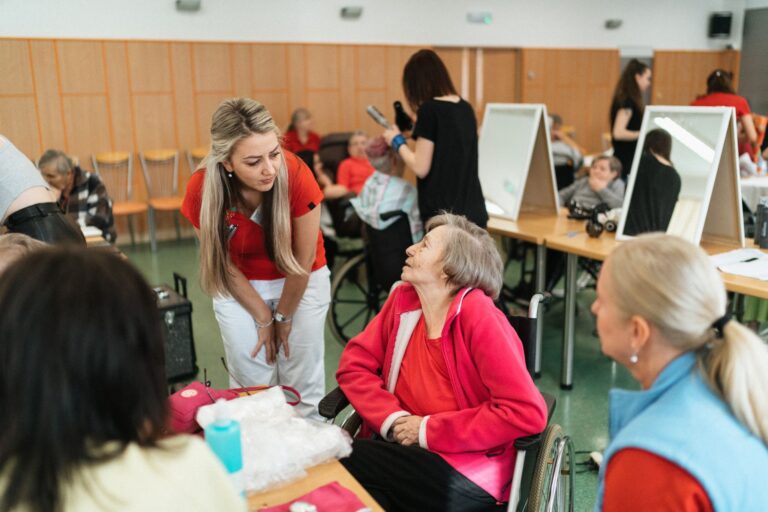
Volunteering, in particular, shows strong protective associations in research. When people volunteer—whether tutoring students, serving at a food bank, helping in a hospital, or mentoring younger people—they’re combining social engagement with a sense of purpose and cognitive challenge. Studies of retirees who volunteer show better cognitive outcomes than retirees who don’t, controlling for baseline health and education. Group hobbies and classes—from art to music to language learning—add an extra layer of protection because they combine social interaction with active cognitive engagement. However, passive social settings—sitting in a room with others without meaningful interaction—show minimal benefit, and some isolated socializing, like brief casual encounters with acquaintances, offers less protective power than deeper relationships.
How Families Can Encourage Social Engagement
Families face a practical challenge: you can’t force someone to enjoy socializing if they’ve become withdrawn or anxious about social situations. The most effective approach involves starting small and building gradually, connecting social activity to existing interests rather than imposing unfamiliar activities. If a parent enjoyed gardening, a community garden plot where they work alongside others combines their interest with consistent social contact. If someone loved movies, a film club—many libraries and senior centers run these—offers structured social engagement around something they already value.
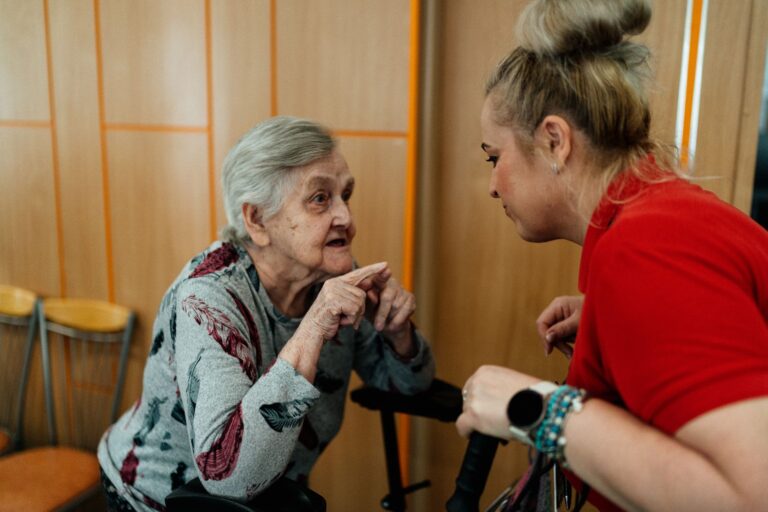
For someone showing signs of cognitive decline, the stakes are higher because early cognitive changes can make social anxiety worse: a person noticing memory slips may avoid social situations where they fear embarrassment. Families can buffer this by being honest (“We’ve noticed you’re quieter lately—is socializing feeling harder?”), finding smaller or more structured settings rather than large gatherings, and attending social activities together at first. The tradeoff is that one-on-one interactions or very small groups (two to four people) require more active conversation but may feel less overwhelming than large events. A 65-year-old woman with mild cognitive impairment who initially refused an adult day program agreed when her daughter attended the first visit and introduced her to the coordinator—within three weeks she was attending independently and showing noticeably better mood and engagement. The initial barrier wasn’t the activity itself but the anxiety of entering something unfamiliar.
Common Barriers and How Social Isolation Can Mask or Accelerate Decline
One of the most insidious patterns is that isolation and early cognitive decline feed each other. A person experiencing subtle memory problems or difficulty following conversation may withdraw from social situations, which then accelerates the very cognitive decline they were avoiding. This feedback loop can make it hard for families to distinguish between depression-driven withdrawal and early dementia-driven withdrawal—and in some cases, both are happening. A person who becomes less social might be depressed (which is treatable), might be experiencing early cognitive changes (which require different intervention), or most commonly, some of both. Mobility problems, hearing loss, and transportation challenges become real barriers to social engagement as people age, but they’re often solvable.
A person who can’t drive can use volunteer driver services, rideshare subsidies, or public transportation with support. Someone with hearing loss needs hearing aids or accommodations before social activities become worthwhile, not after. Yet families sometimes treat these barriers as immovable, assuming their parent or relative “doesn’t want to go out” when really the logistics or health conditions haven’t been addressed. Another common trap: assuming that living with adult children or in a facility means someone is getting adequate social interaction. Physical proximity doesn’t equal quality engagement. An isolated senior in a busy multigenerational home isn’t benefiting from social protection if interactions are minimal or transactional.
Age-Specific Protective Strategies
People in their 50s and early 60s can often protect themselves through their established social networks and work relationships. The vulnerability increases sharply after retirement and after major life transitions like widowhood. For younger retirees (60 to 75), preventing the loss of work-based social structure is critical—this is the period when proactive replacement with volunteer work, classes, or group activities offers the highest return. A 62-year-old early retiree who immediately joined a volunteer board, took up group tennis lessons, and scheduled regular friend gatherings maintained cognitive and mental health much better than peers who “relaxed” into isolation.
For people 75 and older, maintaining social engagement becomes more challenging due to health limitations, mobility problems, and the loss of peers. Adult day programs, senior centers, and religiously affiliated communities (which often provide consistent social structure) become increasingly important. Technology—video calls with family, online classes, online support groups—can supplement in-person contact, though research suggests it’s not a complete substitute. A widow in her 80s living alone who couldn’t drive maintained weekly video calls with children and joined an online book discussion, but added measurable cognitive benefit only when she also attended a weekly senior center lunch program in person, suggesting that technology alone wasn’t providing the same protection as direct social contact.
Practical First Steps for Families
Start by assessing your family member’s current social connections: How often do they interact with others? Are interactions meaningful or superficial? Have social connections declined in the past year or two? If you notice contraction—fewer outings, fewer friends, more time alone—that’s the moment to act, ideally before isolation becomes entrenched. Many senior centers, libraries, community colleges, and faith communities offer low-cost or free groups: exercise classes, discussion groups, craft sessions, volunteer opportunities. Some offer transportation. The key is consistency: a person attending the same yoga class every Tuesday with familiar faces gets more benefit than someone sampling different activities sporadically.
For someone showing cognitive concerns, linking social engagement to a health provider’s recommendation carries weight—when a doctor or neuropsychologist says “Maintaining social connections is part of your brain health plan,” compliance improves. Families can also monitor whether social engagement is actually happening or becoming an intention that doesn’t translate to action. “Mom likes the idea of the senior center but keeps canceling” needs problem-solving, not more suggestions. Is transportation the issue? Is anxiety? Is depression? Is she actually going but finding it unstimulating? Different barriers need different solutions. A man who found one senior center boring had immediate buy-in when his daughter found a volunteer opportunity—teaching high school students how to restore classic cars—that combined his expertise, regular structured social contact, and genuine contribution.
Frequently Asked Questions
How much social contact is enough to protect against dementia?
Research suggests weekly or more frequent contact outperforms less frequent socializing. “Regular” is more protective than “occasional.” The quality of relationships matters more than the quantity of contacts.
Can online socializing like video calls with family provide the same brain protection as in-person interaction?
Online interaction is better than no interaction, but research suggests in-person social contact carries greater protective benefits. For isolated people, video calls are valuable, but they appear less protective than direct contact. A combination of both is more effective than either alone.
If someone has already been diagnosed with dementia, is it too late for social engagement to help?
Social engagement can slow further decline and significantly improve quality of life and mood in people with diagnosed dementia. It’s not prevention at that point, but it’s still protective and beneficial—often more impactful than medication alone.
What if a family member is withdrawn because they have social anxiety, not dementia?
Social anxiety and early cognitive changes can coexist, and anxiety can make cognitive problems worse. Professional assessment—from a therapist for anxiety, from a neuropsychologist for cognitive concerns—helps clarify what’s happening and informs appropriate treatment.
Does it matter what type of social activity someone engages in?
Consistency and regular contact matter more than the specific activity. The most protective activities combine ongoing social engagement with cognitive challenge (classes, volunteering, games, discussion groups). Passive settings or very brief encounters offer less benefit.
Why does social isolation increase dementia risk in older adults specifically?
The brain’s cognitive reserve—its ability to compensate for damage—is built through a lifetime of use. After 60 to 65, people have less time to rebuild reserve if isolation begins. Additionally, physiological changes with aging make the effects of isolation more pronounced.