When astronomers detect an explosion in the sky that produces a meteor, teams of professional and amateur meteor hunters spring into action to locate and recover the meteorite before natural weathering and human interference destroy it. A recent explosion triggered a coordinated search effort involving scientists from multiple institutions who mobilized within hours to track the meteor’s trajectory and identify potential landing sites. This article explores how meteor hunting works, the technology and expertise required to find these space rocks, the challenges teams face during recovery operations, and why the scientific community considers meteorite recovery crucial for understanding our solar system’s history.
Table of Contents
- What Are Meteors and How Do Explosions Occur in the Sky?
- Coordinating Multi-Institutional Search Operations
- Technology and Tools That Enable Meteor Recovery
- The Importance of Speed and Coordination in Search Operations
- Common Challenges and Limitations in Meteorite Recovery
- The Scientific Value of Meteorite Analysis
- Future of Meteor Detection and Meteorite Recovery
- Conclusion
What Are Meteors and How Do Explosions Occur in the Sky?
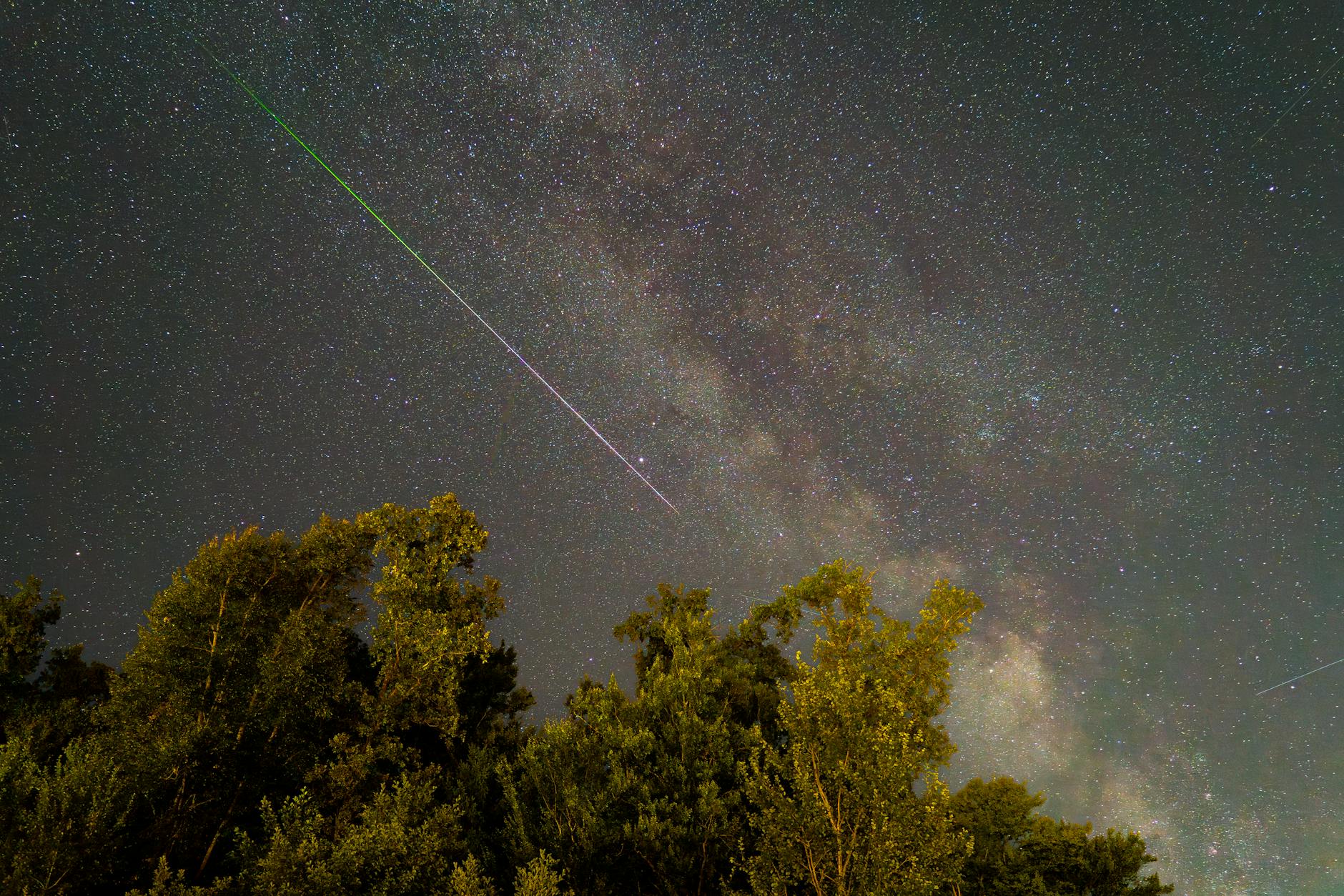
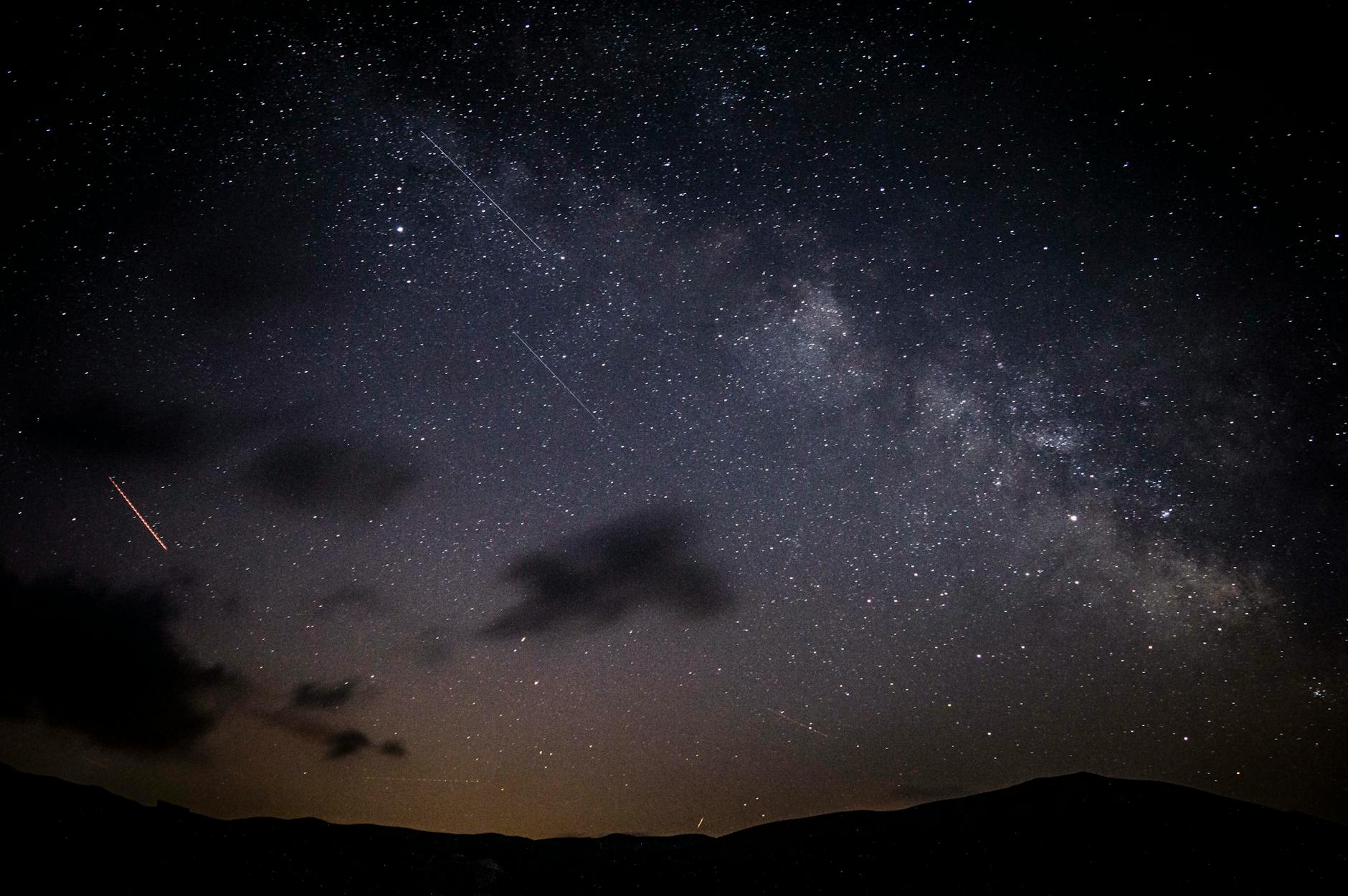
A meteor is a space rock traveling through Earth’s atmosphere at speeds exceeding 40,000 miles per hour. When friction with the atmosphere heats the rock’s surface to incandescence, it becomes visible as a “shooting star” or “falling star” to observers on the ground. Larger meteors can explode mid-atmosphere, creating a bright flash and audible sonic boom that can be detected across hundreds of miles.
These explosions, called airbursts, release tremendous energy—some exceed the power of atomic bombs—as the intense heat and pressure fracture the incoming rock into thousands of fragments. The recent explosion detected by networks of automated cameras and seismic sensors created the exact conditions meteor hunters seek: multiple witnesses across a wide geographic area, precise timing data, and—most importantly—confirmation that fragments likely survived and fell to Earth. Without the explosion’s bright flash and detectable shock wave, scientists would have no way to calculate the meteor’s entry angle, speed, and probable landing zone. The automation of detection networks means that meteorite falls that would have gone unnoticed in previous decades now trigger immediate search mobilizations.
Coordinating Multi-Institutional Search Operations
Once an explosion is confirmed, meteor recovery teams use a combination of eyewitness reports, video footage from dedicated meteor cameras, and acoustic data from seismic networks to triangulate where meteorite fragments likely landed. The search area is often large—sometimes spanning hundreds of square miles—because trajectory calculations depend on precise measurements of atmospheric conditions, wind speeds at multiple altitudes, and the meteor’s fragmentation pattern. Teams must balance speed with accuracy; moving too quickly leads to wasted effort searching wrong areas, but waiting for perfect calculations means competitors or weather may compromise the recovery site. However, even with excellent data, meteorite recovery remains probabilistically uncertain.
A 100-kilogram meteor entering Earth’s atmosphere may be completely vaporized, or it may fragment into thousands of pieces distributed across farmland, forest, or ocean. Conversely, a smaller meteor sometimes survives intact. Teams must also contend with the fact that many meteorites fall in remote areas or into bodies of water where recovery becomes impossible. The scientific value of a recovered meteorite varies enormously—a rare carbonaceous chondrite weighing just 50 grams can provide insights into organic compounds present at the solar system’s formation, while thousands of kilograms of ordinary chondrite may be scientifically redundant.
Technology and Tools That Enable Meteor Recovery
Modern meteorite recovery relies on a constellation of technologies that were unavailable a generation ago. Networks of automated meteor cameras operate continuously across populated regions, recording the night sky at high frame rates. These cameras use triangulation—comparing the meteor’s position across multiple camera locations—to create precise three-dimensional models of the trajectory. Simultaneously, infrasound sensors (detecting very low-frequency sound waves) and seismic networks capture the acoustic signature of the explosion, providing independent confirmation of the energy released and direction of travel.
Once search teams arrive at the calculated impact zone, they employ metal detectors, magnetometers, and in some cases, metal-detecting dogs trained to identify meteoritic material. The challenge is that meteorites are not magnetic in the way people often assume—only some are strongly magnetic, and weaker signatures can be difficult to distinguish from terrestrial iron ore or industrial debris. Teams also use visual search methods, particularly in open fields or on snow-covered ground where the dark meteorite contrast is highest. A specific example: when a meteorite fell in Michigan in 2018, volunteer searchers combed a frozen lake’s surface, using the dark coloration visible against white ice to spot fragments. The cold temperature preserved the meteorite’s delicate surface features and prevented oxidation that would have obscured important scientific data within weeks.
The Importance of Speed and Coordination in Search Operations
Time is a critical factor in meteorite recovery for multiple reasons. Meteorites exposed to Earth’s atmosphere begin oxidizing immediately—iron minerals turn to rust, and delicate organic compounds can be contaminated by terrestrial bacteria. Rain, snow, and freeze-thaw cycles accelerate weathering. Additionally, once news of a meteorite fall becomes public, casual searchers, collectors, and scavengers converge on the area. Some act with good intentions but lack the expertise to properly handle samples; others are motivated by the potential financial value of rare meteorites, which can sell for thousands of dollars per gram.
Coordinated institutional teams have both the resources and scientific protocols to preserve meteorite integrity during recovery. The tradeoff between speed and thoroughness shapes how teams operate. A team that mobilizes immediately with limited personnel can secure the primary impact site within hours, preventing loss to weather and unauthorized collectors. However, meteorite fragments scatter across wide areas, and a hasty search may miss subsidiary landing sites identified only through patient door-to-door interviews with residents who heard the explosion. Professional teams increasingly combine both approaches: sending an advance team to secure the highest-probability zone within the first 24 hours, while simultaneously organizing systematic visual surveys and institutional outreach that continues for weeks afterward.
Common Challenges and Limitations in Meteorite Recovery
Even with coordinated efforts, recovery success varies unpredictably. Meteorites that fall in densely forested areas often cannot be located despite precise trajectory calculations—the fragments become camouflaged among fallen branches and leaf litter. Urban impact zones present a different challenge: meteorites may land on rooftops, inside buildings, or be quickly moved by residents who don’t understand what they’ve found. The Chelyabinsk meteor that exploded over Russia in 2013 was one of the largest in centuries, yet the primary mass fell into a lake and was only recovered months later through underwater expeditions.
Weather presents another significant limitation. If search operations are delayed by rain, snow, or flooding, the meteorite’s surface characteristics may be irreversibly altered within days. Teams that recover meteorites weeks after the impact often obtain scientifically valuable samples, but the loss of original surface textures and volatile compounds means crucial data is gone. There is no recovery protocol that can restore information lost to weathering, which is why institutional coordination and rapid response are so critical to scientific missions.

The Scientific Value of Meteorite Analysis
Recovered meteorites are analyzed using techniques that would astound researchers from just 30 years ago. Electron microscopes reveal mineral structures at nanometer scales, isotope ratios reveal when and where in the solar system the rock formed, and organic chemistry reveals the building blocks of life itself.
Some carbonaceous chondrites contain amino acids—the fundamental components of proteins—formed in interstellar space before Earth existed. A single recovered meteorite can generate dozens of scientific papers and doctoral dissertations. For example, a small meteorite that fell in Morocco in 2011 was so scientifically significant that it consumed the research efforts of hundreds of scientists for years and fundamentally changed our understanding of Mars’s geological history.
Future of Meteor Detection and Meteorite Recovery
As automated detection networks improve and expand geographically, the frequency of detected meteorite falls is increasing. Within the next decade, scientists expect space-based infrared sensors to detect nearly all meteorites larger than one kilogram before they strike Earth, enabling search teams to mobilize before impact occurs.
This represents a fundamental shift—from reactive recovery teams working after the fact to proactive teams ready to deploy to calculated impact zones. Additionally, international coordination agreements are evolving to ensure that meteorites recovered in countries without established research institutions are shared with the global scientific community rather than lost to private collectors.
Conclusion
Meteor hunters who mobilize after an explosion are participating in a time-sensitive operation that bridges astronomy, physics, and international scientific cooperation. The detection of an atmospheric explosion is only the beginning; the real work involves coordinating teams across institutions, managing competing interests, and executing careful recovery protocols before weather and time destroy irreplaceable scientific data.
Meteorites are direct samples of the solar system’s formation, and their recovery provides knowledge that cannot be obtained any other way. As detection technology improves, the scientific community’s ability to recover these precious samples will increase, deepening our understanding of planetary science and the history of our own world.