
A significant meteor explosion illuminated skies across the nation, creating a spectacular and rare astronomical event that captured the attention of millions. The meteor fragmented and burned up in the atmosphere during its entry, producing a bright flash visible from multiple states and generating a sonic boom that residents heard from considerable distances. This article explores what happened during the meteor explosion, why it was visible nationwide, how to understand unusual celestial events, and what such occurrences mean for observers and communities—information that proves especially valuable when discussing unexpected phenomena with family members or those experiencing cognitive changes.
The meteor event was remarkable not for being unprecedented, but for being visible to such a broad geographic area simultaneously. Eyewitnesses reported seeing a bright streak across the sky, often followed by a startling sound that rattled windows and surprised observers who had no warning. The explosion occurred high in the atmosphere, which is the typical outcome when space debris enters Earth’s gravitational field. Understanding these natural events helps reduce fear and confusion, particularly for older adults or those with dementia who may find unexpected astronomical phenomena alarming or disorienting.
Table of Contents
- What Causes Meteor Explosions and Nationwide Visibility?
- Understanding the Physics Behind the Event
- How Meteoroids Enter Earth’s Atmosphere
- What Observers Should Know About Watching Meteor Events
- Distinguishing Natural Phenomena from Other Causes of Sky Events
- Scientific Monitoring and Future Observations
- The Broader Context of Celestial Events and Public Awareness
- Conclusion
What Causes Meteor Explosions and Nationwide Visibility?
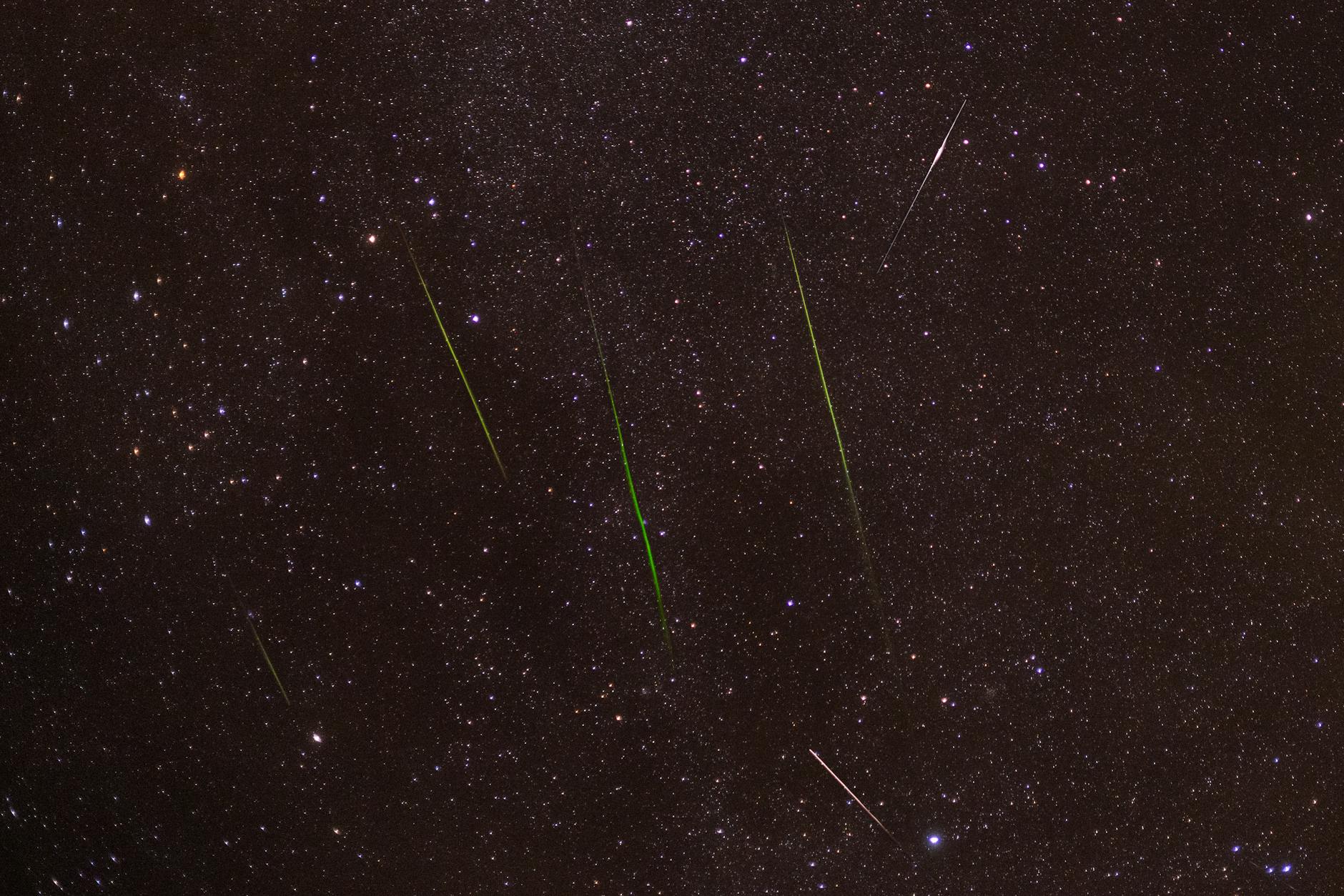
Meteoroids—chunks of rock and dust traveling through space—constantly encounter Earth’s atmosphere. When a particularly large meteoroid enters the atmosphere at high velocity, friction from air molecules causes extreme heating, which can cause the object to explode before reaching the ground. The explosion releases tremendous energy, creating a bright flash visible over a large geographic area. Size and velocity determine visibility range; larger meteoroids traveling faster produce more dramatic displays visible from hundreds of miles away.
The recent nationwide sighting indicates this particular meteor was substantial enough to generate sufficient light to be observed across multiple states despite daytime or varying weather conditions. The sonic boom—the sound people heard after seeing the flash—travels much slower than light, which is why observers saw the bright streak before hearing the noise. This delay between visual and auditory information can be confusing or startling, especially for those unfamiliar with the phenomenon. Older adults or individuals with sensory processing challenges may find the unexpected noise particularly disorienting, as the delayed sound creates an unusual sensory experience that the brain must process in sequence rather than simultaneously.
Understanding the Physics Behind the Event
meteor explosions occur due to the immense pressure and heat generated when objects traveling at speeds exceeding 40,000 miles per hour collide with increasingly dense atmospheric layers. As the meteoroid slows and heats, the material eventually cannot withstand internal stress, resulting in fragmentation. This fragmentation actually increases brightness because multiple smaller pieces create more surface area for light emission. However, if the object is very small or slower-moving, it may burn up gradually and produce less dramatic displays, possibly going unnoticed by ground observers.
The nationwide visibility of this event indicates the explosion was particularly energetic and high-altitude. The energy release during a meteor explosion can be equivalent to thousands of tons of TNT, though the blast occurs high above populated areas, posing no danger to people or property. Understanding this scientific explanation helps reassure individuals who may feel anxious about the event or worry about safety implications. For family members caring for someone with dementia, knowing the facts allows them to provide clear, grounding explanations if the person expresses confusion or concern about what they witnessed.
How Meteoroids Enter Earth’s Atmosphere
Meteoroids originate from various sources, including debris left behind by comets, fragments from asteroid collisions in the outer solar system, and dust particles traveling through space for thousands of years. These objects orbit the sun in irregular paths until Earth’s gravity deflects them into our atmosphere. The specific trajectory and velocity depend on where the meteoroid originated and the angle at which it encounters Earth’s gravitational field. Some meteoroids are ancient—traveling through space since the early solar system—while others may be relatively recent fragments from recent cosmic collisions.
The particular meteoroid responsible for the recent explosion likely originated from the asteroid belt between Mars and Jupiter. Seasonal variations in meteor activity occur because Earth passes through different orbital regions at different times of year, and some regions have denser concentrations of meteoroid debris. The recent nationwide sighting might coincide with a known meteor shower, during which Earth passes through a trail of debris left by a comet’s passage. However, random meteoroid encounters also occur throughout the year, making unpredictable explosions possible at any time.
What Observers Should Know About Watching Meteor Events
Meteor watching requires patience, clear weather, and location away from light pollution for optimal viewing of smaller meteors. For major events visible nationwide like this explosion, timing and luck matter more—observers simply need to be outside and glancing at the sky when the event occurs. Unlike planned meteor showers where observers can find online guidance about the best viewing hours, random meteoric explosions are unpredictable, making them impossible to schedule or plan for.
The advantage of random events is that they often generate greater public interest and media coverage, providing documented observations from thousands of witnesses across wide geographic areas. For individuals with dementia, unexpected celestial events can be confusing or frightening. Family members benefit from having context to share: explaining that the bright light and sound came from a natural space rock burning up high in the sky, with no danger involved, helps ground the person in reality and provides reassurance. Clear, simple explanations given in a calm tone are more effective than lengthy scientific details, particularly for someone experiencing cognitive decline.
Distinguishing Natural Phenomena from Other Causes of Sky Events
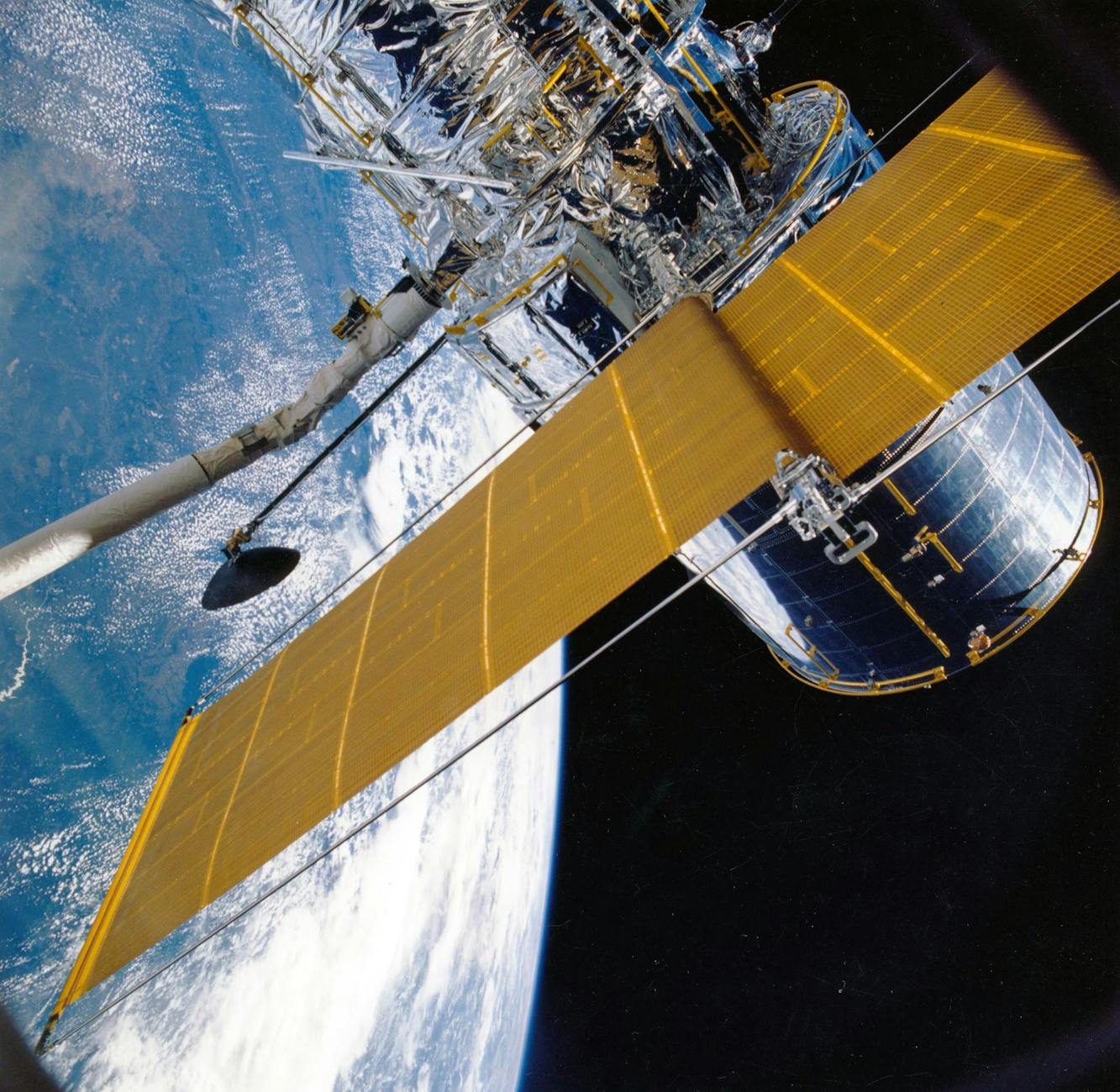
When people observe unusual lights in the sky, they sometimes speculate about causes—satellites, aircraft, weather phenomena, or other explanations. Understanding natural meteor explosions helps distinguish them from these alternatives. Meteors produce a distinct visual signature: a bright streak appearing suddenly, lasting only seconds, and followed by a delayed sonic boom. Satellites move more slowly across the sky in predictable patterns, aircraft have navigation lights that blink, and weather phenomena like lightning have different characteristics.
However, confusion often arises because the initial observation may be incomplete, and people’s memories of the event can be influenced by suggestions or subsequent explanations. For caregivers supporting someone with dementia, this distinction matters because the person’s memory and interpretation of events may be unreliable. If someone with dementia reports seeing something unusual but cannot provide details, corroborating the event through news sources or discussion with others present helps establish what actually occurred. This approach reduces anxiety and confusion while validating the person’s experience.

Scientific Monitoring and Future Observations
Scientists monitor meteoroid impacts through satellite data, ground-based radar systems, and telescope networks. Space agencies track larger objects as potential hazards, though the vast majority of meteoroids pose no threat because they burn up completely or fall into oceans and unpopulated areas. The recent nationwide event was captured by security cameras, dash cams, and satellite instruments, providing multiple data sources for scientists to analyze and determine the meteoroid’s composition, trajectory, and energy output.
Public observations and eyewitness accounts also contribute to scientific understanding, as thousands of independent reports help triangulate the explosion’s location and characteristics. Advances in detection technology continue to improve humanity’s ability to monitor space debris and predict potential impact events, though current systems focus primarily on larger objects capable of causing significant damage. Smaller meteoroids like the recent one will continue to enter Earth’s atmosphere regularly, creating occasional visible displays for observers fortunate enough to be looking at the right moment.
The Broader Context of Celestial Events and Public Awareness
Unusual celestial events capture public attention in ways that routine astronomical phenomena do not, making them valuable opportunities to increase science literacy and appreciation for Earth’s place in the cosmos. When a meteor explosion visible nationwide occurs, media coverage brings the story to millions of people who might otherwise ignore astronomy.
These moments of shared wonder can unite communities and spark conversations about the universe, our planet’s vulnerability, and humanity’s ongoing effort to understand the cosmos. For families and communities, discussing these events provides an opportunity to share knowledge, express wonder, and create shared memories. For older adults experiencing cognitive changes, explaining such events clearly and calmly helps maintain connection to the world around them and grounds their understanding in reality during moments of confusion or concern.
Conclusion
The meteor explosion producing nationwide sightings was a natural astronomical event resulting from a space rock entering Earth’s atmosphere at high velocity and fragmenting due to friction and pressure. These events, while spectacular and memorable, occur regularly, though most remain unobserved because they happen over oceans, deserts, or during daylight hours. Understanding the scientific basis for meteor explosions helps demystify the experience, reduce anxiety, and provide accurate explanations for family members, particularly those with dementia who may find unexpected phenomena confusing or alarming.
Moving forward, sharing accurate information about celestial events benefits entire communities by reducing speculation and fear while increasing appreciation for natural processes. For those caring for older adults or individuals with cognitive decline, having reliable explanations allows for clearer communication and helps maintain a sense of safety and groundedness when unexpected events occur. Staying informed about meteor activity and having access to factual resources ensures that future events can be understood and explained calmly and accurately.




