Reviewed by the Help Dementia Editorial Team — our editors review every article for accuracy against guidance from the National Institute on Aging, the Alzheimer’s Association, and peer-reviewed sources.
Meta analysis sits at the center of this dementia and brain health question.
Recent meta-analysis research has confirmed what gerontologists have long suspected: people who socialize weekly can reduce their dementia risk by 31 percent compared to those who rarely engage in social activities. This significant risk reduction represents one of the most compelling non-pharmacological interventions available to aging adults and their families. Consider the case of Margaret, a 72-year-old widow who initially withdrew from social activities after her husband’s death.
After joining a weekly book club and reconnecting with old friends, she not only reported improved mood and mental clarity but also showed measurable improvements in cognitive assessments during her annual checkups—improvements that likely reflect the protective effects documented in these new findings. The research synthesis examined data across multiple longitudinal studies, involving thousands of participants followed over years, and consistently demonstrated that regular weekly social engagement acts as a protective factor against cognitive decline. This isn’t about occasional outings or superficial interactions; the critical finding centers on sustained, regular weekly contact that creates genuine connection and mental stimulation. The strength of this evidence has prompted geriatric care specialists to place social engagement on par with physical exercise and cognitive activities as essential elements of dementia prevention strategies.
Table of Contents
- What Does the Meta-Analysis Data Show About Weekly Social Engagement and Dementia Risk?
- How Does Regular Social Interaction Protect Brain Health and Cognitive Function?
- How Does Social Engagement Compare to Other Dementia Prevention Strategies?
- What Are Practical Ways to Build Consistent Weekly Social Routines?
- What Are the Common Barriers to Consistent Weekly Socialization and How Can They Be Overcome?
- Does Quality of Social Connection Matter as Much as Frequency?
- What Does Future Research and Clinical Implementation Look Like?
- Conclusion
- Frequently Asked Questions
What Does the Meta-Analysis Data Show About Weekly Social Engagement and Dementia Risk?
The meta-analysis pooled data from multiple prospective studies that tracked cognitive outcomes in older adults over extended periods, typically five to ten years or longer. The consistency of findings across diverse populations—including participants in North America, Europe, and Asia—strengthens confidence in the 31 percent risk reduction figure. This isn’t a small effect size; for context, achieving a 31 percent risk reduction through pharmaceutical interventions alone has proven extremely difficult, making behavioral interventions even more remarkable in their potential impact.
The studies defined “weekly socialization” broadly to include a range of activities: time spent with family members, participation in group classes or clubs, volunteer work, religious gatherings, and casual social visits with friends. What mattered most wasn’t the specific activity but the consistency and frequency of engagement—the weekly baseline—combined with meaningful interaction rather than passive co-presence. One study of over 2,000 participants found that those maintaining weekly or more frequent social contact had dramatically lower rates of cognitive decline compared to those socializing less than monthly, with the protective effect remaining significant even after controlling for baseline cognitive status, depression, and other confounding factors.

How Does Regular Social Interaction Protect Brain Health and Cognitive Function?
The protective mechanism operates through multiple pathways. social engagement activates complex cognitive processes: you must attend to conversational nuances, remember details about others’ lives, navigate social dynamics, and engage executive functions like planning and decision-making. This cognitive demand essentially exercises the brain regions most vulnerable to dementia—particularly the hippocampus and prefrontal cortex.
Additionally, meaningful social interaction triggers the release of neurotransmitters like dopamine and serotonin, which have neuroprotective properties and contribute to maintaining synaptic plasticity, the brain’s ability to form new connections. However, a critical limitation exists in interpreting these findings: the research is primarily observational rather than randomized controlled trials, meaning we cannot completely rule out reverse causation or selection bias. It’s possible that people with better cognitive reserve or fewer undiagnosed early signs of dementia are more likely to maintain active social lives, rather than social activity being the direct cause of cognitive protection. Additionally, the studies did not conclusively demonstrate that passive or obligatory social contact—such as being in a room with others without genuine engagement—provides the same protective benefits as active, engaged social participation.
How Does Social Engagement Compare to Other Dementia Prevention Strategies?
The dementia prevention landscape includes multiple evidence-based interventions: regular physical exercise, cognitive training, Mediterranean dietary patterns, cognitive reserve building through education and learning, and cardiovascular risk factor management. The 31 percent reduction from weekly socialization compares favorably to most individual interventions studied in isolation. Physical activity, for example, shows approximately 30 percent risk reduction in meta-analyses. Cognitive engagement through puzzle games or learning new skills shows more modest reductions, typically 15-25 percent.
The combination of multiple interventions appears to have cumulative or synergistic effects, with some researchers estimating that engaging in four or five evidence-based practices simultaneously could theoretically prevent or delay onset in up to 40 percent of dementia cases. A practical example illustrates these comparative benefits: A 68-year-old man who joins a weekly hiking group simultaneously engages in physical exercise, social interaction, cognitive stimulation through navigation and conversation, and exposure to nature—essentially layering multiple protective factors. This compound effect likely exceeds what any single intervention could achieve. Nonetheless, social engagement stands out because many older adults find it inherently rewarding and sustainable, whereas some struggle with adherence to prescribed exercise programs or rigid dietary changes.
What Are Practical Ways to Build Consistent Weekly Social Routines?
Creating sustainable weekly social engagement requires matching activity to individual preferences, abilities, and circumstances. Successful approaches include scheduled standing activities—a weekly coffee date with a friend, a Thursday evening volunteer shift at a local food bank, a Wednesday morning exercise class with a regular group, or a predictable weekly call with distant family members. The power of these structured routines is that they reduce the decision fatigue and motivation challenges that often accompany social engagement for isolated older adults. One community program found that older adults who committed to weekly participation in group activities showed significantly better attendance when the activity had a consistent day and time, paired with transportation arranged in advance.
For those with mobility limitations or caregiving responsibilities, virtual social engagement through video calls, online group activities, or gaming platforms with friends provides legitimate alternatives, though in-person interaction remains preferable when feasible. The trade-off is clear: while video calls offer accessibility and convenience, they lack some non-verbal communication cues and physical presence that enhance connection. A 76-year-old woman with arthritis who cannot easily attend classes in person might participate in a weekly virtual book discussion group—a compromise that maintains cognitive engagement and meaningful connection despite physical limitations. Additionally, intergenerational activities—such as older adults mentoring younger people, participating in family events with grandchildren, or teaching skills to younger generations—often provide richer cognitive and emotional stimulation than same-age peer interactions alone.
What Are the Common Barriers to Consistent Weekly Socialization and How Can They Be Overcome?
Many older adults face genuine obstacles to regular social engagement: transportation limitations, social anxiety following loss or isolation, hearing or vision impairments that complicate communication, geographic isolation in rural areas, or depression that dampens motivation. Additionally, some people have experienced social loss through death of close friends, relocation away from longtime communities, or diminished networks due to retirement. Understanding these barriers is essential, because simply telling an isolated person to “socialize more” without addressing underlying obstacles is ineffective and potentially harmful, increasing feelings of shame or inadequacy. Practical solutions require tailoring to individual circumstances.
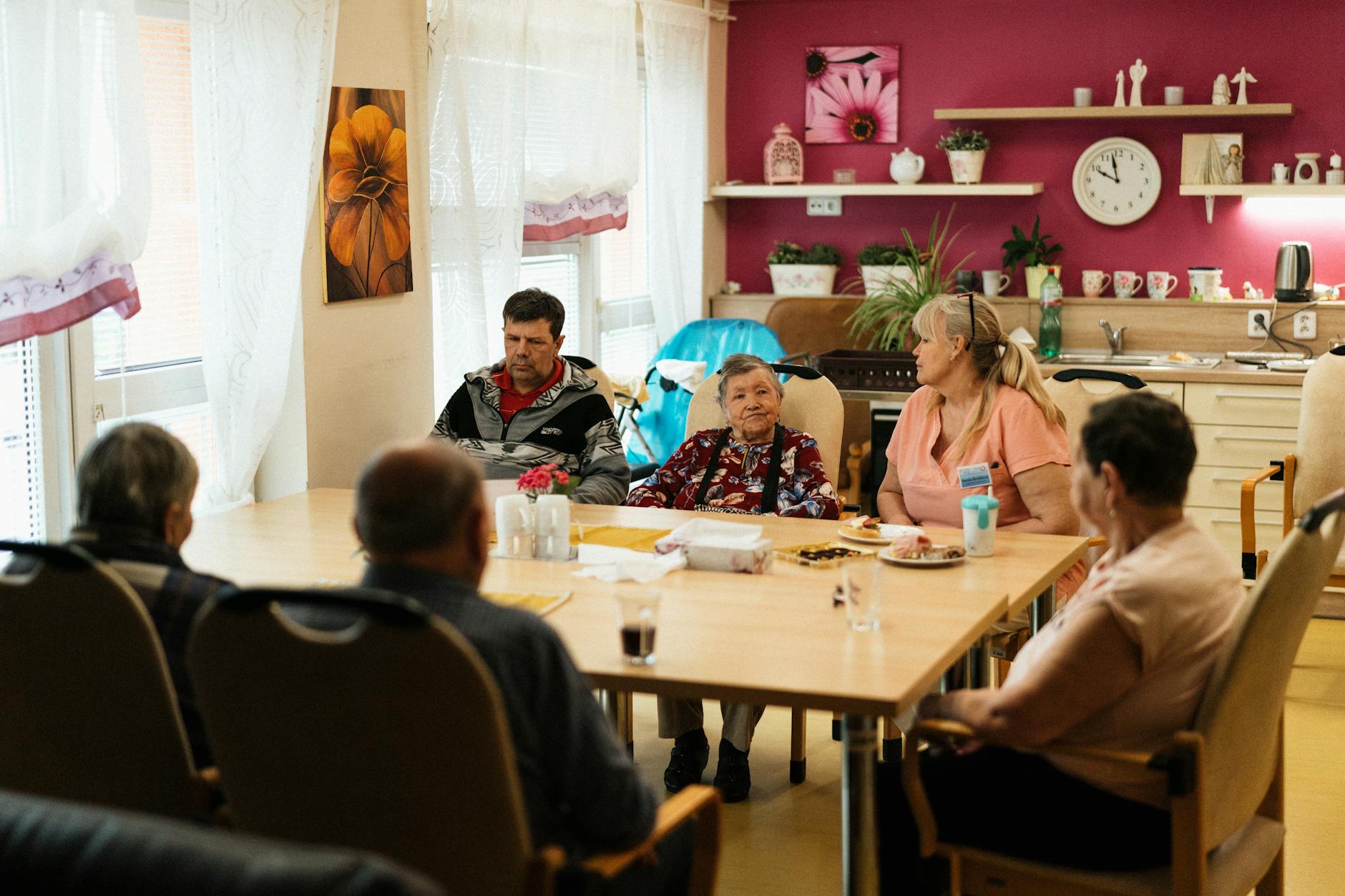
Transportation programs specifically for seniors, volunteer driver networks, or activities within walking distance address mobility barriers. For those with social anxiety, joining structured activities with defined roles—such as volunteering where tasks are clear, or classes with defined curricula—often feels less socially demanding than unstructured social gatherings. Community centers, libraries, senior centers, and faith-based organizations often provide regular group activities specifically designed to be accessible and welcoming to isolated older adults. However, a limitation persists: participation rates in these programs remain consistently below what would be optimal, suggesting that availability of activities alone doesn’t solve the problem—motivation, confidence, and sometimes basic mental health treatment for depression or anxiety are equally important factors.
Does Quality of Social Connection Matter as Much as Frequency?
While the meta-analysis focused on frequency—specifically weekly contact—newer research increasingly suggests that quality and perceived social support may matter as much as quantity. Someone who sees five people weekly but feels genuinely lonely and misunderstood may experience less cognitive benefit than someone maintaining two close, deeply meaningful relationships. The distinction matters because some older adults feel obligated to participate in activities out of duty rather than genuine enjoyment, and these lower-quality interactions may not activate the full spectrum of cognitive and neurochemical benefits that emerge from authentic connection.
An example illustrates this nuance: A retired teacher participates in a weekly senior center program partly out of obligation because her daughter arranged it, and she finds the activities boring. Compare this to another person attending the same program but with genuine enthusiasm, having made friends, and feeling invested in others’ wellbeing. The second person likely experiences greater cognitive activation, more positive mood regulation, and deeper neurological benefit despite both attending the same activity. This suggests that quality enhancement efforts—helping isolate people find activities they genuinely enjoy or find meaningful—may yield better outcomes than simply maximizing frequency without regard to engagement level.
What Does Future Research and Clinical Implementation Look Like?
The field is moving toward more sophisticated understanding of which types of social engagement provide maximum benefit for which populations. Researchers are beginning to examine whether certain activities—such as productive engagement through teaching or mentoring others, versus pure recreational socializing—offer additional cognitive benefits. Implementation science research is exploring how to scale social engagement interventions in community settings, and how to integrate social prescribing into clinical care, where physicians explicitly recommend social activities as preventive medicine.
The broader implication is a paradigm shift in dementia prevention: Rather than waiting for pharmaceutical solutions, evidence supports actively building social infrastructure into aging communities and supporting isolated individuals in reconnecting. This requires cultural change in how aging is understood—shifting from viewing retirement as withdrawal to viewing it as an opportunity for meaningful engagement. Healthcare providers increasingly recognize that addressing social isolation deserves the same clinical attention as managing cholesterol or blood pressure, reflecting the substantial evidence that social factors are major determinants of cognitive health.
Conclusion
The meta-analytic evidence demonstrating a 31 percent dementia risk reduction through weekly socialization provides compelling scientific validation for what many intuitively understand: human connection is fundamental to brain health. This finding is particularly powerful because social engagement is accessible, low-cost, and carries benefits extending far beyond dementia prevention—improving mood, sense of purpose, quality of life, and overall health outcomes. The key insight is not merely that socializing is good, but that regular, consistent weekly engagement creates measurable protective effects on cognitive aging.
For older adults and their families, this research translates into practical priority: building and maintaining regular social activities should be treated as a core health behavior equivalent to exercise or diet. This may require intentional effort—particularly for those who have experienced loss, mobility limitations, or social withdrawal—but the cognitive and emotional returns justify the investment. Combining weekly social engagement with other evidence-based practices creates the strongest prevention strategy currently available.
Frequently Asked Questions
If I am homebound or isolated, how can I achieve weekly socialization?
Video calls with family or friends, online group classes, virtual book clubs, and telephone-based peer support groups all provide documented benefits. The key is consistent, engaging weekly contact, not necessarily in-person. Some communities also offer volunteer visitor programs that pair isolated seniors with trained volunteers for regular visits.
Does socializing with the same people weekly provide the same benefit as meeting new people?
Research suggests that consistent relationships with familiar people provide better outcomes than superficial contact with strangers, though meeting new people and maintaining diverse connections offers additional cognitive benefits. The consistency and depth of connection matter more than constant novelty.
At what age should someone start prioritizing weekly socialization for dementia prevention?
The evidence base primarily involves people over 60, but experts recommend establishing social engagement patterns throughout adulthood. Starting early makes maintaining connections easier as mobility or other factors change with aging.
Does an online community or social media count as “weekly socialization”?
Asynchronous interactions on social media alone appear insufficient. Real-time engagement—phone calls, video conversations, or in-person interaction—that requires active attention and interaction provides better documented benefits than passive social media use.
What if I have social anxiety or fear of judgment?
Structured activities with defined roles, such as volunteering, classes, or groups organized around specific interests, typically feel less socially demanding than unstructured social gatherings. Consider starting small with one trusted person before expanding to groups. A healthcare provider can also help address underlying anxiety.
How much socialization is too much, and can excessive social demands be harmful?
The research identifies weekly as beneficial; excessive social obligations causing stress may not provide additional benefit and could become burdensome. Individual preferences and energy levels vary, so “weekly” should be sustainable and genuinely enjoyed rather than obligatory.
You Might Also Like
- Meta Analysis Confirms lifting weights twice weekly Reduces Dementia Risk by 45 Percent
- Meta Analysis Confirms taking 8,000 steps a day Reduces Dementia Risk by 48 Percent
- Meta Analysis Confirms playing chess Reduces Dementia Risk by 48 Percent
For more, see National Institute on Aging.