
Reviewed by the Help Dementia Editorial Team — our editors review every article for accuracy against guidance from the National Institute on Aging, the Alzheimer’s Association, and peer-reviewed sources.
Yes, dancing is linked to sharper brains at any age—and the evidence is remarkably strong. A landmark 21-year study published in the New England Journal of Medicine found that regular dancing reduced dementia risk by 76% in seniors aged 75 and older, the greatest protective effect of any physical or cognitive activity the researchers studied. The benefits don’t require years of training or professional skill. A 78-year-old grandmother in Brooklyn who joined a neighborhood salsa group three times a week isn’t just having fun—she’s activating neural pathways that protect against cognitive decline in ways that more conventional exercises like swimming or cycling simply cannot match. What makes dancing uniquely powerful is that it engages your brain in multiple ways simultaneously.
When you dance, you’re processing music, coordinating your body in real-time, monitoring your partner or the group around you, and responding to rhythm and social cues all at once. Recent 2025 neuroscience research using EEG found that the dancing brain lights up with activity across auditory, motor, visual, and social processing regions. This multi-system activation appears to be the secret ingredient that distinguishes dancing from other physical activities. The benefits extend far beyond dementia prevention. Recent research in 2024 showed that dance reduces depression symptoms more effectively than walking, yoga, strength training, and even some standard antidepressants. Whether you’re 8 or 88, moving to music appears to reshape how your brain works.
Table of Contents
- How Does Dancing Outperform Other Brain-Protective Activities?
- The Science Behind Dancing and Brain Health
- Why Dancing Engages Multiple Brain Systems Simultaneously
- Getting Started: Dancing at Any Age and Ability Level
- Common Concerns About Dancing for Brain Health
- The Social and Mental Health Benefits
- The Future of Dance in Brain Health
- Conclusion
How Does Dancing Outperform Other Brain-Protective Activities?
The 2003 Einstein College of Medicine study that sparked the dancing-and-dementia conversation tested 11 different physical and cognitive activities over two decades. The results were striking: dancing showed a 76% risk reduction, while reading only achieved 35%, and crossword puzzles (done at least 4 days per week) reached 47%. Swimming and cycling—both demanding aerobic exercises—offered no measurable protection against dementia, despite their cardiovascular benefits. This wasn’t a small study; it followed thousands of seniors and was funded by the National Institute on Aging, making it one of the most rigorous examinations of lifestyle and dementia risk ever conducted. Why did dancing stand out so dramatically? The researchers theorized that dancing uniquely combines physical exertion with cognitive challenge and social engagement.
When you ride a bicycle, your legs work hard but your brain may slip into autopilot. When you dance, however, your brain must continuously problem-solve: What step comes next? Where is my partner moving? How do I match the rhythm? This constant real-time decision-making appears to build cognitive reserve—the brain’s ability to find alternative ways of getting a task done when normal pathways are damaged. A practical comparison: An 82-year-old who swims laps for 45 minutes gets excellent cardiovascular training but may spend the time thinking about groceries. The same person in a weekly tango class for 45 minutes must stay mentally present, navigate partnership dynamics, and learn new patterns. The latter brain works harder in precisely the ways that protect against degeneration.
The Science Behind Dancing and Brain Health
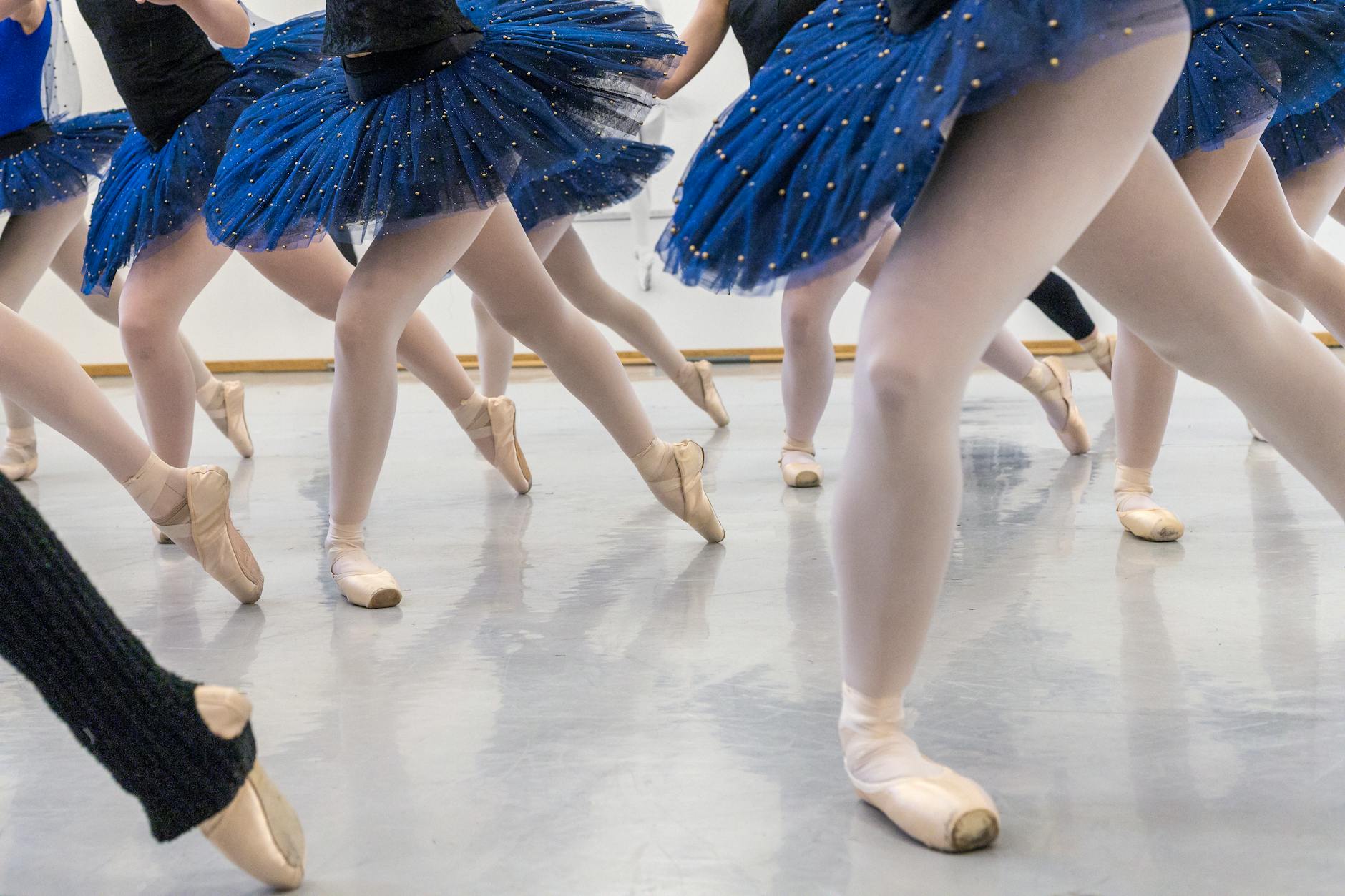
Dancing stimulates neuroplasticity—the brain’s ability to form new neural connections throughout life. This is especially important in aging. Neuroplasticity typically declines with age, making brains more rigid and less able to adapt when cells begin to degenerate. Dance appears to reverse this trend by forcing the brain to constantly learn and adjust. Each time you learn a new step or adapt your movement to a new song, you’re literally rewiring neural pathways.
The 2024 meta-analysis published in The BMJ analyzed 218 clinical trials examining dance’s effects on depression, anxiety, and cognitive function. Dance outperformed walking, traditional strength training, and yoga on depression outcomes. One critical limitation worth noting: most studies are relatively short-term (weeks to months), so we don’t yet have extensive data on whether someone who dances for 2-3 years will maintain cognitive benefits if they stop. However, the consistency of benefits across different age groups and dance styles—from tango to hip-hop to ballroom—suggests the protective effects are robust. Recent research on people with multiple sclerosis found that those who danced twice weekly for 12 weeks showed significant improvements not just in mood but in measurable cognitive functions: attention, working memory, and processing speed all improved. This is particularly important because MS damages the white matter that allows neurons to communicate, making it a useful test case for whether dancing can help brains that are actively degenerating.
Why Dancing Engages Multiple Brain Systems Simultaneously
A 2025 Journal of Neuroscience study using EEG technology mapped exactly which brain regions activate during dancing. The results revealed something remarkable: the dancing brain simultaneously processes auditory tracking (following the music), motor control (coordinating limbs), visual monitoring (tracking your partner), and social coordination (reading another person’s movements and intentions). This simultaneous multi-system engagement is what researchers believe drives the protective effect. Compare this to running on a treadmill, where the primary demand is repetitive motor control. Or to a crossword puzzle, where you’re engaging memory and language but your body is stationary.
Dancing demands that your prefrontal cortex (decision-making), motor cortex (movement), auditory cortex (sound), visual cortex (sight), and social cognition networks (mind-reading) all fire together and communicate with each other constantly. This cross-talk between brain regions appears to build redundancy and resilience—if one pathway degrades, others can compensate. A specific example: A 71-year-old man learning Argentine tango must simultaneously track the leader’s chest position (visual), feel his partner’s weight and direction (proprioception), count the beat (auditory processing and rhythm), adjust his footwork on the fly (motor planning), and read his partner’s intention before she moves (social prediction). His brain is doing what neuroscientists call “multisensory integration” at a level that almost no other activity demands. This is the kind of cognitive complexity that builds cognitive reserve.
Getting Started: Dancing at Any Age and Ability Level
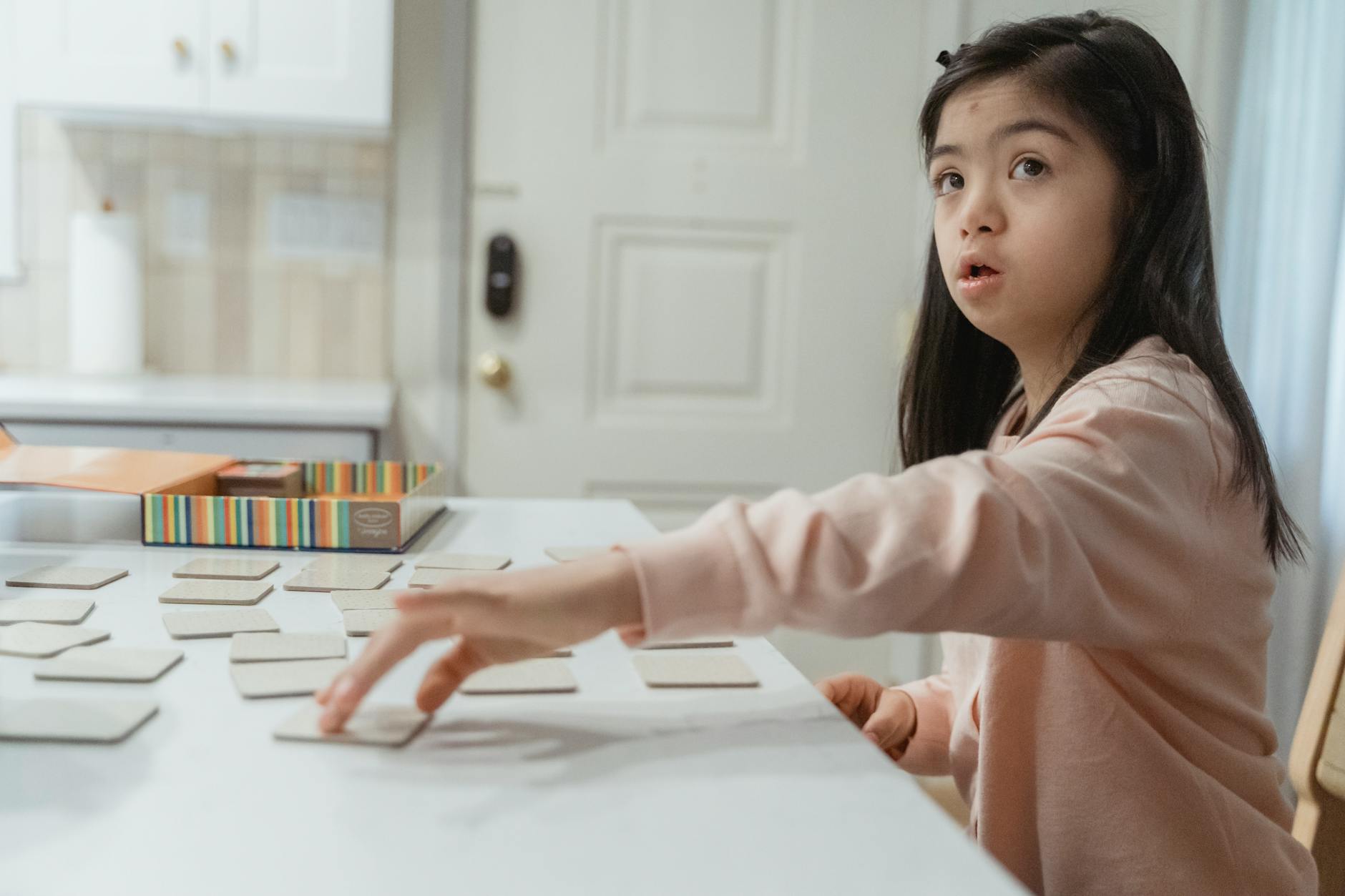
One of dancing’s greatest strengths is that you don’t need to be young, fit, or talented to benefit. The 2003 study that showed 76% dementia risk reduction specifically looked at people aged 75 and older. Some were trained dancers; most were not. The key wasn’t pre-existing ability—it was regular participation. A person who takes a beginner’s line dancing class once a week at 80 years old experiences the same neurological activation as a 45-year-old in a hip-hop class. The barrier for many people isn’t physical capability but psychological: embarrassment, fear of looking foolish, or assumption that they’re “not a dancer.” This is worth addressing directly. If you haven’t danced since high school, you might assume your brain is too old to learn new patterns.
This is false. The brain’s capacity for learning movement patterns remains intact throughout life; in fact, learning new movement patterns in later life may be particularly protective for cognitive health. Starting with low-pressure options—online dance tutorials at home, community center beginner classes, or church/temple group dances—removes the social performance anxiety and lets you focus on the cognitive benefit. There is one genuine limitation: people with advanced balance disorders or severe arthritis may struggle with certain dance styles. A person with diabetic neuropathy that affects balance might need to begin with seated dancing or movement to music that doesn’t require rapid directional changes. This doesn’t eliminate dancing’s benefit; it means finding a style that works for your body. Even gentle, seated movement to music activates multiple brain systems.
Common Concerns About Dancing for Brain Health
A frequent question: If I’m not coordinated, will dancing still help my brain? The research says yes. What matters is that your brain is working hard to process rhythm, music, and movement—not that you’re executing the movements perfectly. A study participant who stumbles through steps while concentrating intensely is engaging neuroplasticity more than an accomplished dancer moving on autopilot. Perfectionism, ironically, can reduce the cognitive benefit because it shifts focus away from learning and challenge. Another concern: How often do I need to dance? The 2003 study found that regular participation mattered more than intensity; weekly dancing showed measurable protection. However, more frequent dancing (multiple times per week) appeared to offer greater benefit.
The good news is that even modest frequency—once or twice weekly—was protective. The bad news is that attending one dance class per year almost certainly provides no benefit. You need consistency and regularity for your brain to build new neural pathways and maintain them. A genuine warning for people with heart conditions: High-intensity dancing is physical exertion, and anyone with cardiovascular disease should consult their doctor before starting. This doesn’t mean you can’t dance—it means beginning gradually and perhaps choosing slower styles initially. Gentle group dances, folk dancing at moderate pace, or slow waltz can provide cognitive benefits without excessive physical strain.

The Social and Mental Health Benefits
Beyond cognitive protection, dancing activates the brain’s social reward systems. You’re not alone in a room; you’re connected to music, to other people, and to a shared rhythm. This social engagement triggers the release of oxytocin (the bonding neurochemical) and activates the brain’s empathy networks. A person who dances in a group experiences both the cognitive benefits of learning and coordinating movement, plus the emotional benefits of social connection and belonging.
The 2024 research on depression is particularly striking because it suggests dancing may work differently than other forms of exercise. When researchers compared dance to treadmill walking for people with depression, both groups moved for the same duration at similar intensity. Yet the dance group showed greater improvement in mood. The leading hypothesis is that the combination of music, rhythm, creativity, and social connection engages the brain’s reward and emotional regulation systems in ways that mechanical exercise doesn’t. A 65-year-old widow who took up line dancing after her husband died reported not just improved cognition but also, for the first time in months, genuine enjoyment and social connection.
The Future of Dance in Brain Health
As dementia prevalence rises—projected to affect 6.9 million Americans by 2030—interventions that offer 76% risk reduction deserve serious attention from public health officials and healthcare systems. Some memory care facilities have begun implementing regular dance programs, and preliminary observations suggest that people with early-stage dementia who dance show slower cognitive decline than matched peers who don’t.
A few geriatric clinics now prescribe dancing as part of dementia prevention strategies, though insurance rarely covers group dance classes. The convergence of recent research—from molecular biology showing how dancing affects neuroplasticity, to neuroscience showing which brain regions activate during dancing, to clinical trials showing measurable cognitive and emotional benefits—makes a compelling case that dancing deserves to be considered mainstream preventive medicine for brain health, not merely a recreational activity. As our population ages, the most powerful intervention may not be a pharmaceutical or a high-tech gadget, but a community dance class, a playlist of songs from your youth, and the freedom to move in time with music.
Conclusion
Dancing is one of the few activities proven to reduce dementia risk dramatically—by 76% according to the landmark New England Journal of Medicine study—while simultaneously improving depression symptoms, enhancing mood, strengthening social connections, and engaging nearly every cognitive system your brain possesses. The evidence is consistent, substantial, and applicable across all ages and ability levels. You don’t need to be coordinated, young, or fit. You simply need to show up regularly and move to music.
If you’re concerned about brain health, whether for yourself or a loved one, consider starting small: a weekly beginner’s dance class, an online tutorial, a family dance night, or a community group. The cognitive and emotional benefits appear within weeks. The dementia protection accumulates over years. In a world where we spend enormous resources searching for pharmaceutical interventions, one of the most powerful brain-protective tools we have costs little and feels good. That’s the paradox and the promise of dancing for brain health.


