Reviewed by the Help Dementia Editorial Team — our editors review every article for accuracy against guidance from the National Institute on Aging, the Alzheimer’s Association, and peer-reviewed sources.
Yes, strong social connections may be the single most powerful habit for preventing dementia. The evidence is striking: older adults who maintain frequent social engagement show 26% lower risk of cognitive decline compared to those who are socially isolated. This isn’t about acquaintances or surface-level interaction—it’s about meaningful relationships and regular contact with people you care about. When neurologist David Bennett examined the brains of deceased study participants, those with strong social networks showed significantly better cognitive reserve, meaning their brains had stronger protective mechanisms even when Alzheimer’s pathology was present. Think of a 72-year-old woman who plays bridge twice weekly with the same group of friends, regularly video calls her grandchildren, and volunteers at her local library three mornings a week.
Her brain is working harder not just from the mental engagement of these activities, but from the emotional and cognitive stimulation of navigating relationships. Research shows her dementia risk is measurably lower than a peer of similar education who lives alone and spends most days without meaningful interaction. The mechanism is biological, not merely psychological. Social engagement stimulates multiple brain regions simultaneously—the hippocampus (memory), prefrontal cortex (executive function), and regions responsible for emotional processing and empathy. Isolation, conversely, triggers inflammation in the brain and impairs the glymphatic system, which clears toxic proteins linked to dementia.
Table of Contents
- Why Do Social Connections Protect Against Dementia Better Than Other Brain Exercises?
- The Neurological Pathways: How Isolation Damages the Aging Brain
- Quality Versus Quantity: What Kind of Social Connection Matters Most?
- Building Social Habits in Later Life: Practical Approaches and Real Tradeoffs
- The Hidden Risk of Mistaking “Busy” for Connected
- Expanding Social Connection When You Have Mobility or Health Limitations
- The Future of Social Connection and Dementia Prevention
- Conclusion
Why Do Social Connections Protect Against Dementia Better Than Other Brain Exercises?
Social activity uniquely challenges the brain because it requires real-time processing on multiple levels at once. You’re listening, interpreting tone and facial expressions, formulating responses, managing emotion, and updating your understanding of another person’s mental state—all simultaneously. This multitasking complexity is more demanding than solitary cognitive exercises like crossword puzzles or Sudoku, which engage primarily one type of processing.
A 2019 study found that people who engaged in regular social activities showed better memory retention than those who did equally challenging solo mental exercises. Beyond the cognitive workout, social connection triggers the release of oxytocin and reduces cortisol, both of which protect brain cells from stress-related damage. When you’re in a meaningful conversation or shared activity, your nervous system shifts into a parasympathetic state—rest and repair mode—which is when your brain consolidates memory and clears metabolic waste. Compare this to someone doing brain training apps alone, where there’s cognitive stimulation but without the protective neurochemical cascade that comes from genuine human connection.

The Neurological Pathways: How Isolation Damages the Aging Brain
Chronic social isolation literally changes brain structure. Studies using MRI imaging show that isolated older adults have greater gray matter loss in regions responsible for learning and memory. One longitudinal study found that people with minimal social contact experienced cognitive decline three times faster than their socially engaged peers. The damage extends beyond structure—isolation disrupts neural networks and impairs the communication between different brain regions essential for memory formation.
However, there’s an important limitation: not all social interaction provides equal protection. Passive time spent with others—like sitting in the same room while each person uses their phone, or obligatory family gatherings where you feel unwelcome—may not offer the same cognitive benefits as engaged, authentic interaction. The quality and felt sense of connection matters as much as frequency. Additionally, some research suggests that stressful or conflictual relationships may actually increase dementia risk, meaning that obligatory contact with someone you have a poor relationship with could be counterproductive.
Quality Versus Quantity: What Kind of Social Connection Matters Most?
The research is clear: a few close, meaningful relationships provide more protection than a large network of superficial acquaintances. A study from Harvard’s human development research center found that the single strongest predictor of cognitive health in older age was not the number of friends but the depth of two or three close relationships where someone felt truly understood. Think of it like brain health nutrients—better to have one rich, nourishing meal than to pick at many empty-calorie snacks.
Group activities combine the protective benefits of social connection with structured engagement, making them particularly powerful. A 77-year-old man who joins a local garden club attends meetings weekly, learns about soil composition and plant varieties, and develops inside jokes with the same group of people. He’s getting cognitive stimulation, social connection, physical activity, and a sense of purpose and belonging—all simultaneously. Neuroimaging studies show that people in regular group activities with stable membership show stronger connectivity across multiple brain networks.

Building Social Habits in Later Life: Practical Approaches and Real Tradeoffs
Starting or rebuilding a social life in retirement requires intentionality, and it’s worth acknowledging the friction involved. Some people struggle with shyness or social anxiety. Others have experienced losses—friends who’ve moved, spouses who’ve passed away—and grief makes new connection feel harder. But the cognitive payoff is substantial enough to warrant the effort.
Starting small helps: joining a single weekly group (a book club, exercise class, volunteer opportunity, or faith community) creates recurring interaction with the same people, which builds relationship depth. Technology offers both opportunity and limitation. Video calls with distant family members provide real cognitive engagement and can meaningfully reduce isolation, but they’re not quite equivalent to in-person interaction. An 81-year-old woman who video calls her grandchildren weekly benefits from that connection, but adding a monthly in-person visit provides additional sensory engagement and embodied interaction that gives slightly more brain protection. The tradeoff: in-person socializing is more logistically challenging (transportation, energy management, weather barriers), but it delivers stronger benefits than digital-only contact.
The Hidden Risk of Mistaking “Busy” for Connected
Many older adults report being socially active but cognitively isolated—they attend events but don’t feel truly engaged or known. Attending a large family gathering where you sit on the periphery and don’t really talk to anyone is very different from a book club where you lead a discussion about a novel you loved. This distinction matters neurologically. The protective effect comes specifically from the cognitive work of genuine engagement and the emotional experience of feeling heard and valued.
A critical warning: depression and dementia are bidirectional risk factors. Someone experiencing depression may withdraw from social connection, accelerating cognitive decline, which can deepen depression. If you notice someone (or yourself) losing interest in previously enjoyed social activities, becoming withdrawn, or expressing hopelessness about relationships, this deserves attention from a healthcare provider. Social isolation combined with depression represents a particularly high-risk combination for accelerated cognitive decline.
Expanding Social Connection When You Have Mobility or Health Limitations
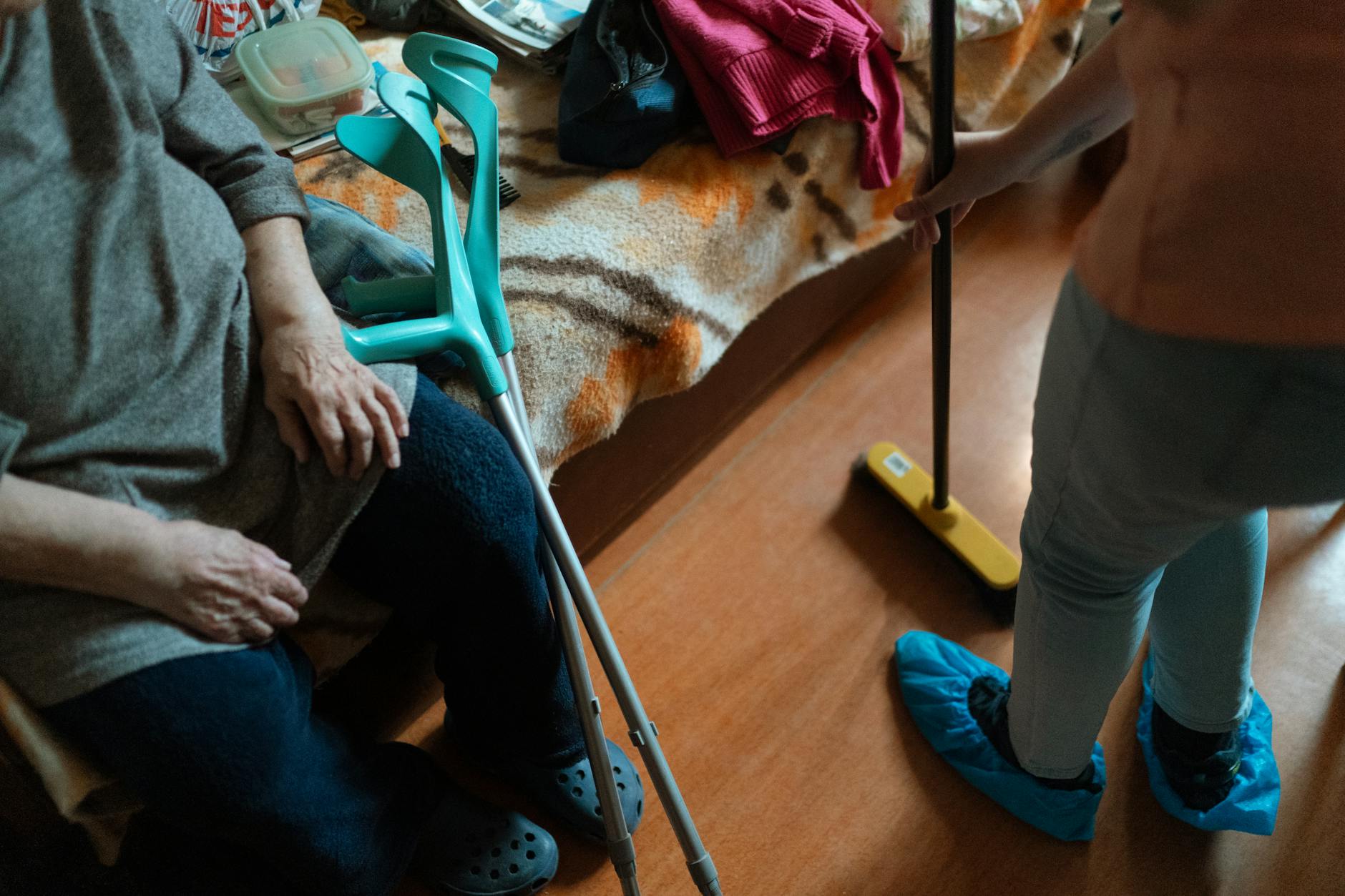
Not everyone can easily access traditional social settings. Someone with severe arthritis may struggle to travel to a group gathering. Someone hearing loss may find group conversations frustrating. A man recovering from a stroke may feel self-conscious about his speech changes. But research shows that even phone-based social engagement provides meaningful cognitive protection, and accommodations are usually possible.
Many groups now meet both in-person and via Zoom, allowing flexible participation. Intergenerational connection offers particularly strong cognitive benefits. A study of older adults who mentored teenage students showed remarkable cognitive gains—the mentors experienced improved memory, faster processing speed, and reduced depression. A 75-year-old woman who tutors high school students in her community’s literacy program is engaging in complex relationship work (understanding a teenager’s perspective, explaining concepts clearly, managing interpersonal dynamics) that provides powerful brain protection. The emotional reward of feeling useful and valued adds an additional layer of protection.
The Future of Social Connection and Dementia Prevention
As communities become more dispersed and traditional gathering places (churches, service clubs, neighborhood associations) see declining participation, we need to create new structures for meaningful social connection. Some research now explores whether hybrid models—combining technology with in-person meetups, or creating new types of community spaces—can replicate the protective benefits of traditional social engagement.
The evidence trajectory is clear: as our understanding of dementia’s root causes advances, social connection emerges not as a nice-to-have quality-of-life factor, but as a core biological protective mechanism on par with cardiovascular health and sleep quality. The good news is that this habit is available to almost everyone, costs nothing, and comes with additional benefits—more joy, stronger relationships, a sense of purpose and belonging. Building social connection isn’t preventing dementia as a side effect of something else; it is itself the intervention.
Conclusion
Strong social connections represent one of the most scientifically supported modifiable risk factors for dementia prevention. The evidence shows that meaningful, regular social engagement protects brain structure, triggers protective neurochemicals, stimulates multiple cognitive pathways simultaneously, and provides emotional well-being that further protects brain health.
This protection appears across all socioeconomic groups and education levels, making social connection a genuinely accessible prevention strategy. The path forward isn’t complicated: find one or two groups or activities where you’ll encounter the same people regularly, engage authentically rather than passively, and prioritize depth of connection over breadth. If you’re concerned about dementia risk for yourself or a loved one, strengthening social connections deserves as much attention as diet, exercise, and sleep—because the neuroscience shows it’s equally important.