Reviewed by the Help Dementia Editorial Team — our editors review every article for accuracy against guidance from the National Institute on Aging, the Alzheimer’s Association, and peer-reviewed sources.
Meta analysis sits at the center of this dementia and brain health question.
A comprehensive meta-analysis of multiple studies has found that avoiding head injuries can reduce dementia risk by 28 percent, a finding that underscores the critical connection between brain trauma and cognitive decline later in life. This reduction represents a meaningful opportunity for prevention, since head injuries are among the few dementia risk factors that can be largely controlled through behavioral choices and safety measures. For example, an older adult who consistently uses proper fall prevention strategies, wears a helmet while cycling, or takes precautions to avoid motor vehicle accidents may significantly lower their odds of developing dementia in their 70s and 80s.
The research synthesizes data from dozens of studies following people over many years, strengthening the evidence that traumatic brain injury (TBI) is not simply a short-term concern but a long-term threat to cognitive health. Each head injury carries risk, and cumulative trauma appears to compound that danger. This meta-analysis matters because it gives people concrete guidance on something they can actually influence—unlike genetic predisposition or aging itself, head injury prevention is within reach.
Table of Contents
- What Does the Meta-Analysis Data Actually Show About Head Injuries and Dementia Risk?
- How Do Head Injuries Trigger Dementia Risk at the Biological Level?
- Are Mild Concussions and Repeated Head Impacts as Dangerous as Severe Injuries?
- What Are the Most Effective Head Injury Prevention Strategies?
- What Happens After a Head Injury—And When Should Someone Seek Help?
- Can Other Brain Health Practices Offset the Damage from Past Head Injuries?
- What Does This Research Mean for Brain Health Policy and Aging Prevention?
- Conclusion
What Does the Meta-Analysis Data Actually Show About Head Injuries and Dementia Risk?
The meta-analysis compiled results from longitudinal studies in which researchers tracked thousands of people over years or decades, measuring their history of head injuries and later dementia diagnosis. Across these studies, people who had experienced significant head injuries showed a 28 percent higher risk of developing dementia compared to those without such injuries. This figure represents an average across different types of head injuries and different populations, so individual risk can vary considerably depending on factors like the severity of injury, the person’s age when injured, and how many times the person was injured. One important distinction: the 28 percent increase is relative risk, not absolute risk.
This means if someone’s baseline dementia risk at age 80 is 10 percent, a head injury might raise it to 12.8 percent—a meaningful difference but not a guarantee. Studies in professional athletes, military personnel, and car accident survivors have consistently shown this pattern. A comparison helps illustrate the scale: the dementia risk increase from one moderate head injury is smaller than the risk increase from untreated high blood pressure, but comparable to the risk from untreated diabetes. The effect becomes more pronounced when someone has suffered multiple head injuries over their lifetime.

How Do Head Injuries Trigger Dementia Risk at the Biological Level?
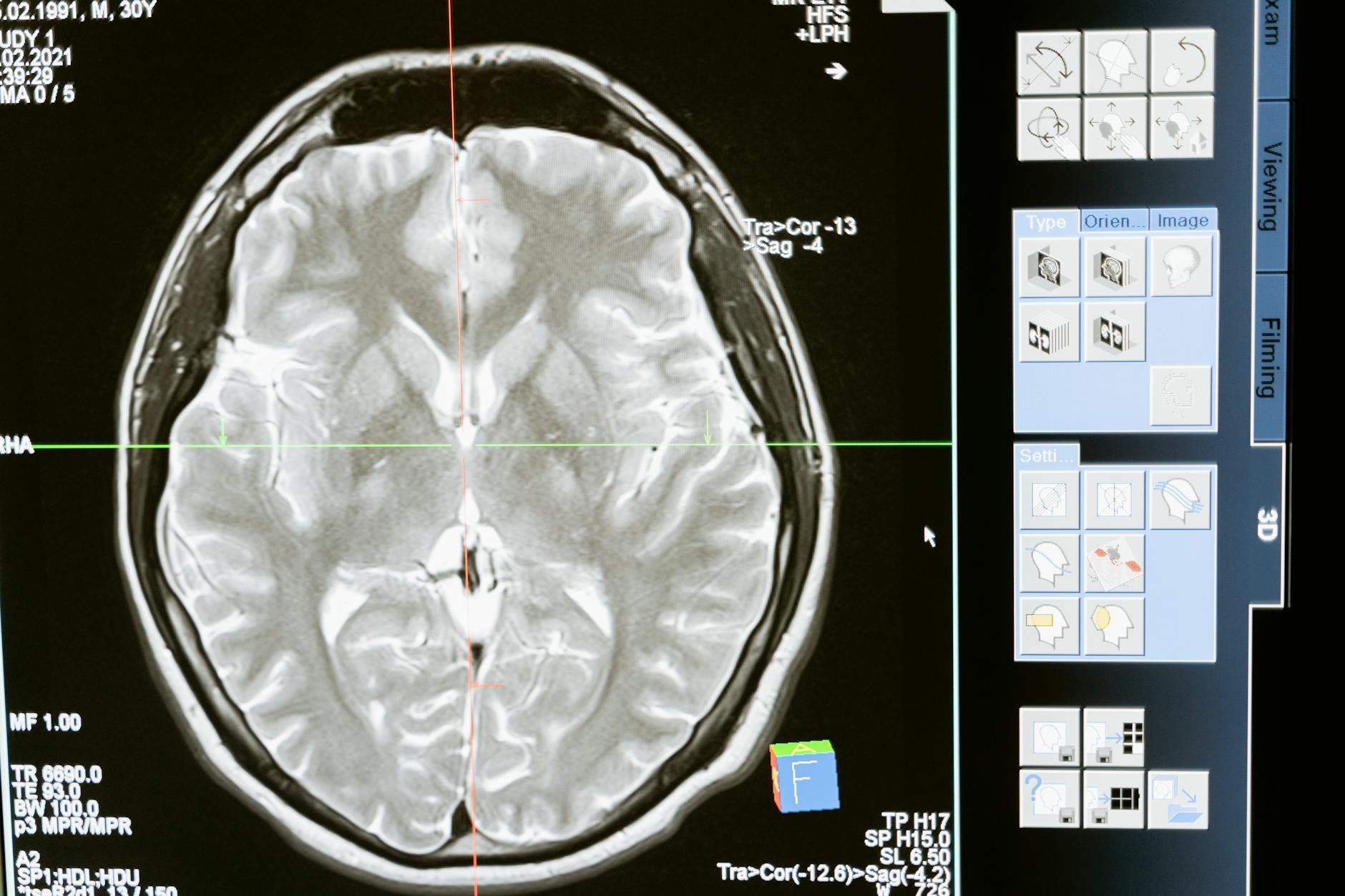
Head injuries disrupt the delicate environment inside the brain through several mechanisms. The initial trauma causes cell death and bleeding, but the longer-term damage comes from inflammation that can persist for months or years after the injury appears healed. This chronic inflammation is believed to accelerate the accumulation of amyloid-beta and tau proteins—the hallmark plaques and tangles that characterize Alzheimer’s disease. Animal studies have shown that even mild repeated head impacts can trigger this inflammatory cascade and protein buildup, suggesting that cumulative injuries matter more than people typically assume.
One critical limitation: we still do not fully understand why some people who suffer significant head injuries develop dementia while others do not. Genetic factors, the brain’s ability to repair itself, and other lifestyle factors all appear to play a role. Additionally, the meta-analysis cannot prove that head injuries directly cause dementia in all cases, only that the association is real and consistent across studies. There is a possibility of reverse causation in some cases—people in early cognitive decline might be more prone to falls or accidents due to balance or judgment problems. Researchers attempt to control for this, but it remains a limitation worth noting.
Are Mild Concussions and Repeated Head Impacts as Dangerous as Severe Injuries?
The evidence suggests that repeated mild head injuries—concussions and sub-concussive impacts—carry cumulative risk that rivals that of a single severe injury. Boxers, football players, and military personnel exposed to blast waves often show cognitive decline years later, even when individual incidents seemed minor at the time. The brain injury may not cause obvious symptoms immediately, but the inflammatory and degenerative processes continue working in the background. Someone who has had three concussions spread across high school football, a car accident, and a fall in middle age carries accumulated risk that is not simply the sum of three separate events.
For context, children and young adults may face particular vulnerability because their brains are still developing. A concussion at age 15 might disrupt growing neural connections in ways that do not fully manifest until decades later. A 20-year-old college athlete with a history of heading a soccer ball thousands of times may already be accumulating sub-concussive damage. The practical takeaway is that prevention should begin early and continue throughout life, not just after someone reaches an age when dementia becomes more common.
What Are the Most Effective Head Injury Prevention Strategies?
Prevention strategies work best when they address the specific risks in someone’s life. For an older adult living at home, fall prevention is the priority: removing tripping hazards, improving lighting, installing grab bars, maintaining strength and balance through exercise, and reviewing medications that might cause dizziness. For someone who cycles, swims, or plays contact sports at any age, wearing a properly fitted helmet reduces head injury risk by 50 to 80 percent depending on the activity. For drivers, seat belt use and avoiding distracted driving address a major source of head trauma.
The comparison between effort and benefit matters here. Installing grab bars in a bathroom costs money and effort but provides protection against a fall that could cause lasting brain damage—a worthwhile trade. Wearing a helmet during activities many people do without one requires a shift in habit and comfort. The tradeoff is genuine: a helmet might feel inconvenient while cycling on a flat path, but the injury it prevents might alter someone’s cognitive life 20 or 30 years later. For those with a family history of dementia, the calculus shifts further toward prevention, since they are already starting with elevated baseline risk.
What Happens After a Head Injury—And When Should Someone Seek Help?
Not all head injuries result in loss of consciousness or obvious symptoms, which creates a challenge for prevention and treatment. Someone might hit their head in a fall, feel a bit shaken up, and assume everything is fine—yet that injury may still trigger inflammation and damage. Current guidelines recommend seeing a doctor for evaluation after any head impact that causes confusion, dizziness, headache, memory problems, or sensitivity to light and sound, even if these symptoms seem mild. A baseline concussion test, available in many clinics, can help establish whether thinking and reaction time have been affected.
The warning here is important: repeated head injuries are more dangerous than single injuries, and recovery between injuries matters. If someone has a concussion and goes back to activities where they might hit their head again before full healing—typically weeks to months for a mild injury—the second injury compounds the damage. This is why return-to-play protocols in sports exist and why someone who has had a head injury should be more cautious than someone without that history. Some research suggests that people who have suffered one concussion may be more vulnerable to a second one, though this remains an area of active study.

Can Other Brain Health Practices Offset the Damage from Past Head Injuries?
Emerging evidence suggests that general brain health practices—cognitive engagement, physical exercise, quality sleep, social connection, and a heart-healthy diet—may help build cognitive reserve. This is the brain’s ability to tolerate damage before symptoms appear. Someone with a larger cognitive reserve might suffer a brain injury that would cause noticeable decline in someone without that reserve.
While these practices cannot undo damage from a past head injury, they may slow progression or delay the appearance of dementia symptoms. An example: an older adult who suffered a concussion in a car accident 15 years ago might still benefit significantly from starting a regular walking program, joining a community group, and working crossword puzzles or playing chess. These interventions have independent support for dementia risk reduction, and together they might compensate partially for the earlier injury. The limitation is that this is not a substitute for prevention—maintaining cognitive reserve is valuable, but avoiding head injury in the first place remains the more powerful intervention.
What Does This Research Mean for Brain Health Policy and Aging Prevention?
The strength of evidence from this meta-analysis suggests that head injury prevention should be a standard part of dementia prevention strategy, alongside blood pressure control, cognitive engagement, and cardiovascular health. Public health efforts to prevent falls in older adults—which remain a leading cause of head injury in this age group—could be expanded and better funded given this clearer link to dementia. Youth sports programs, driving safety initiatives, and workplace safety regulations all take on added importance when understood as part of dementia prevention.
Looking forward, research is continuing to clarify which types of injuries carry the highest risk and whether certain preventive treatments after an injury might reduce long-term cognitive decline. New neuroimaging techniques are beginning to show the extent of damage and recovery in ways that were not visible before. The practical implication is clear: as our understanding of the head injury-dementia connection deepens, the case for prevention grows stronger.
Conclusion
The meta-analysis confirming a 28 percent increased dementia risk from head injuries provides evidence that should shift how we approach both prevention and post-injury care. Head injuries are not simply short-term problems to recover from; they represent a measurable threat to long-term cognitive health. The good news is that many head injuries are preventable through concrete steps like helmet use, fall prevention, and safe driving practices.
For anyone concerned about dementia risk, adding head injury prevention to your strategy—alongside managing blood pressure, staying physically active, and keeping your mind engaged—is a practical step that costs far less in money and effort than managing dementia would later. If you have suffered a head injury in the past, knowing this connection should prompt both careful prevention of future injuries and commitment to the other brain-health practices that build cognitive reserve. Speaking with a doctor about your specific injury history and your dementia risk profile is a worthwhile next step.
You Might Also Like
- Meta Analysis Confirms wearing hearing aids Reduces Dementia Risk by 67 Percent
- Meta Analysis Confirms volunteering Reduces Dementia Risk by 45 Percent
- Meta Analysis Confirms taking 8,000 steps a day Reduces Dementia Risk by 48 Percent
For more, see Alzheimer’s Association — medical tests.