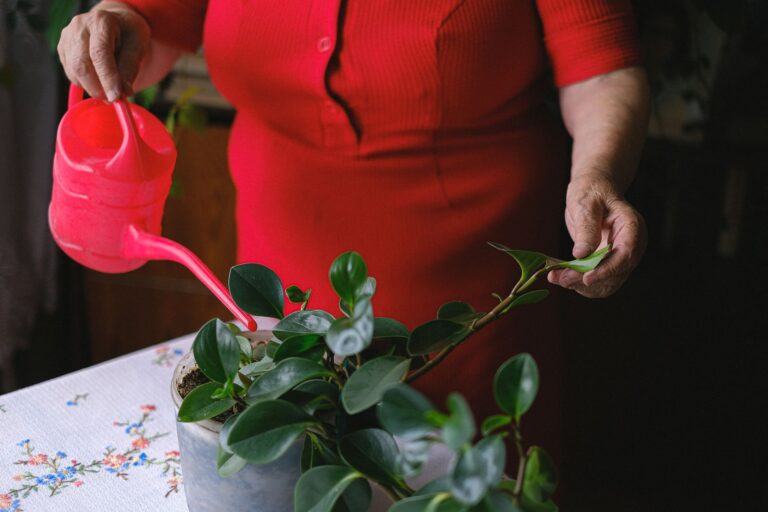
Indoor gardening for one-on-one dementia care is a caregiver guiding one person through hands-on plant tasks indoors. Engagement looks like active handling of soil, water, and plants with positive mood, while distress looks like withdrawal, doing nothing, or restless self-focused behavior.
A small pilot study found better nighttime sleep, less daytime napping, and improved agitation and cognition scores, according to the U.S. National Library of Medicine reporting the April 2008 pilot study. A review of therapeutic gardens also linked garden time to better engagement, mood, stress, and less as-needed medication use, according to MDPI in the September 2021 systematic review.
Medical information disclaimer: This article is for general educational purposes only and does not provide medical advice, diagnosis, or treatment. Always consult a physician or other qualified health professional about symptoms, medications, tests, or treatment decisions.
Table of Contents
- What does engagement look like?
- What does distress or disengagement look like?
- Why use plants instead of another tabletop activity?
- How do you run a calm one-on-one session?
- What are the limits of the evidence?
What does engagement look like?
Watch for hands staying with the task. Sustained watering, planting, deadheading, harvesting, and related conversation signal involvement, according to the Alzheimer's Foundation of America in its dementia-friendly gardening ideas. These moments offer sensory contact, a sense of achievement, and chances for reminiscence.
Compared with traditional day-program activities, horticultural therapy produced more productive engagement and positive affect with less non-engagement, according to Thrive UK summarizing horticultural therapy research in its evidence review on dementia and mental health. Smiling, eye contact, commenting on texture or smell, and reaching for the next step are strong cues. Continued touching of soil, leaves, or water matters more than finishing neatly.
What does distress or disengagement look like?
Distress is often quiet. Turning away, going silent, pushing materials aside, or sitting idle can mean the task is too hard, too long, or overstimulating. Fidgeting with clothing, rubbing hands, or repetitive self-touch without interest in plants is another warning sign.
In the same activity comparison, people in traditional activities showed more self-engagement and doing nothing, behaviors caregivers view as problematic signs of disengagement. Treat a sudden drop in participation as information. Pause, simplify the step, offer one object at a time, or switch to watching and listening.
Why use plants instead of another tabletop activity?
Plants give clear roles for the hands. Holding, pouring, trimming, smelling, and tasting safe herbs keep attention outward. That active contact helps explain the higher productive engagement seen during horticultural therapy.
Garden time has also been tied to calmer behavior. A review of 17 long-term-care studies linked garden time to decreased agitation in residents with dementia. For one-on-one care, that can mean fewer behavioral symptoms, better mood, and less strain during the visit.
How do you run a calm one-on-one session?
Keep the setup small and the choices simple. One plant, one tool, good light, stable seating, and materials within reach reduce frustration. Stay beside the person, not across a table, so you can follow their pace.
- Offer one clear invitation: water this pot, pinch off spent blooms, or fill one tray with soil.
- Narrate senses and progress: damp soil, new buds, full watering can, finished row.
- Let reminiscence lead: ask about favorite foods, flowers, or meals made with herbs.
- Stop at the first fatigue cue: shorter success beats a long struggle.
What are the limits of the evidence?
Most garden-dementia studies were small, poor quality, and hard to compare, with reviewers urging larger controlled trials and standard dementia measures. Benefits vary by person, stage, health, medications, and setting.
Use gardening as a pleasant form of engagement and routine, not as treatment for sleep, agitation, depression, or cognition. If distress repeats, change the time of day, shorten sessions, try a different plant task, or ask the care team for guidance.