Indoor gardening for one-on-one dementia care means a caregiver and one person with dementia plant and tend plants together indoors. Set up side-by-side table space with contained supplies, choose safe plants and blunt tools, and supervise closely.
A therapeutic garden is a sheltered planting space designed for calm activity and sensory contact. The U.S. National Library of Medicine PubMed record reports a randomized trial of 163 Alzheimer's patients where six months in an indoor therapeutic garden lowered neuropsychiatric scores by 31.8 points and reduced quetiapine dose, blood pressure, and salivary cortisol versus standard environment PubMed record of the trial.
Medical information disclaimer: This article is for general educational purposes only and does not provide medical advice, diagnosis, or treatment. Always consult a physician or other qualified health professional about symptoms, medications, tests, or treatment decisions.
Table of Contents
- What can one-on-one gardening offer?
- How do you set up for two people?
- What light, pots, and soil work indoors?
- How do you keep the activity safe?
What can one-on-one gardening offer?
One-on-one sessions give steady company, clear steps, and control over pace. The caregiver can demonstrate each action, hand over one item at a time, and adjust difficulty during the task.
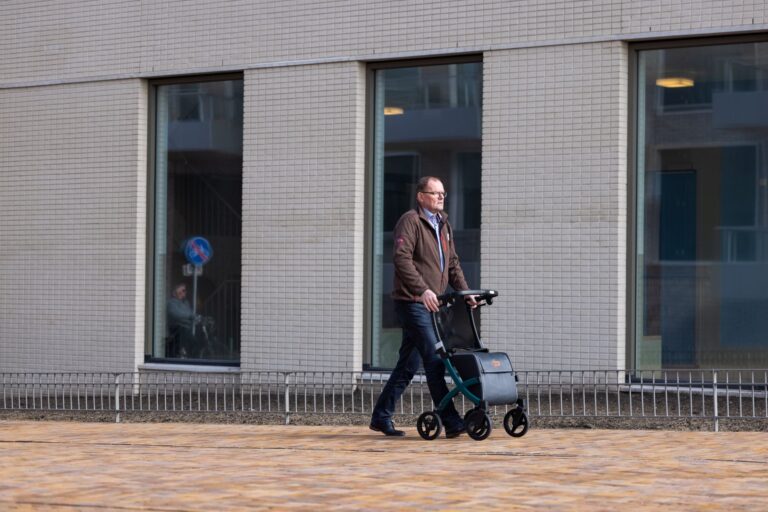
The trial result matters because distress, agitation, and sleep problems burden both the person and caregiver. Lower symptom scores, less medication, and lower stress measures point to daily comfort rather than a cure. Indoor sessions also remove weather and walking limits.
How do you set up for two people?
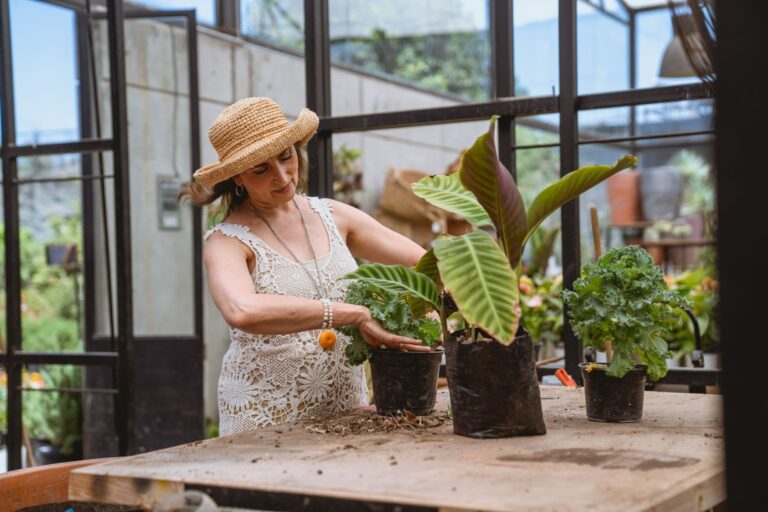
Give both people ample side-by-side table space so reaching is easy. The Alzheimer's Foundation of America recommends a table cover, cafeteria-style trays to contain materials, and small cups to transfer soil into pots Alzheimer's Foundation of America gardening guide.
Keep the layout simple and repeat it each time. Place one tray per person, with soil, pot, plant, and water in the same spots.
- Cover table, set two chairs side by side
- Give each person a tray, pot, soil cup, and plant
- Pour soil with small cups, not from a large bag
- Clear scraps and wipe hands before moving
What light, pots, and soil work indoors?
Indoor light is the biggest challenge for growth. The University of Kentucky Extension explains that fruiting plants like tomatoes need about 10 hours daily, so add a wide-spectrum grow, full-spectrum fluorescent, or LED light because incandescent bulbs lack the right spectrum University of Kentucky Extension indoor garden guide.
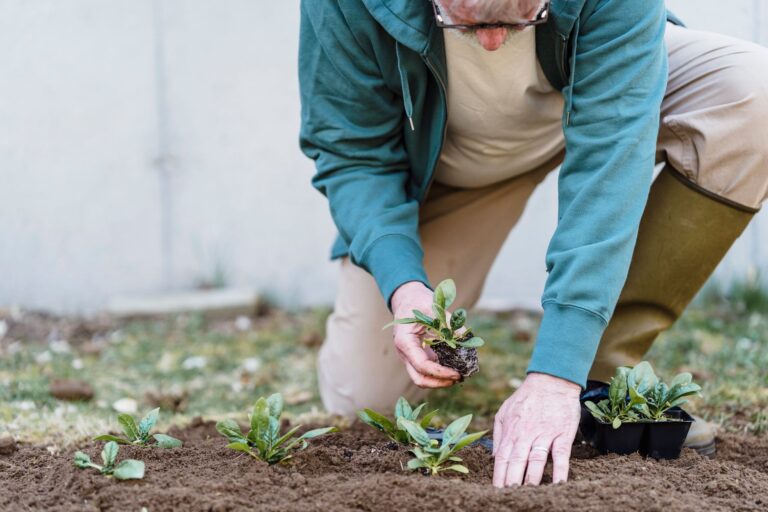
Use containers with drainage holes and potting or soil-less mix rather than garden soil. Shallow pots suit greens and herbs, while tomatoes need about 12-inch depth. Washington State University Extension notes that commercial potting mixes suit containers because they stay lightweight, drain well, retain moisture, and start free of disease, unlike garden soil that compacts.
How do you keep the activity safe?
Avoid sharp tools and choose only plants without known skin irritation. The University of Florida therapeutic horticulture program advises screening for herb allergies, tailoring or excluding sharp tools to cognitive ability, knowing toxic plant parts, and avoiding perlite and rooting hormone in potting activities. Remove poisonous houseplants from dementia homes before bringing new plants inside.
The National Institute on Aging home-safety checklist, shared through Head Start and the National Capital Poison Center, lists hazards including philodendron, peace lily, dieffenbachia, caladium, and English ivy, and advises calling Poison Control at 1-800-222-1222 for identification National Institute on Aging home-safety checklist. For advanced dementia, the University of Florida warns that a person may mouth soil, seeds, or bulbs. Omit those materials or scissors when needed, use gloves, and avoid daffodils because all daffodil parts are poisonous if ingested.