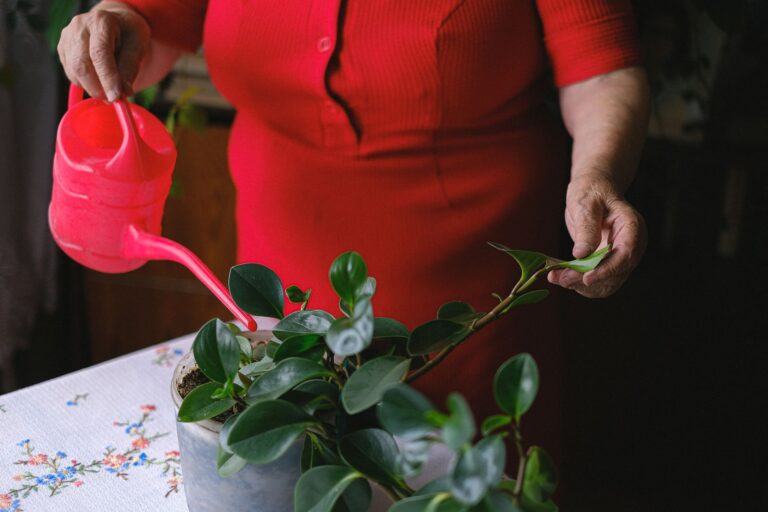
When indoor gardening stops holding attention in a memory care group, shift to familiar music, simple art, cooking, walks, sorting tasks, and social visits. These alternatives suit small supervised groups for people living with dementia, the usual meaning of memory care groups here. They need little strength and use familiar senses and skills.
Waning interest is a signal to change the activity, not a failure by staff or members. Watch for wandering away, restlessness, or handling tools without purpose. A quick switch often restores calm and participation.
Medical information disclaimer: This article is for general educational purposes only and does not provide medical advice, diagnosis, or treatment. Always consult a physician or other qualified health professional about symptoms, medications, tests, or treatment decisions.
Table of Contents
- What to try first when interest fades
- Why does music often work next?
- Which hands-on creative options work well?
- How do you fit activities to stage and setting?
What to try first when interest fades
The National Institute on Aging advises caregivers to rotate engaging options such as familiar music, dancing, painting, cooking, walking, and sorting or reminiscence tasks, described in the adapting activities guide. Rotation keeps the day predictable while the content stays fresh. It also lets leaders match energy levels morning to afternoon.
Use a simple swap routine when plants no longer engage the group. Keep one gardening element if some members still enjoy it. Others can water, smell herbs, or arrange cut flowers. This avoids an abrupt loss for those still attached.
- Offer two clear choices, such as singing or painting.
- Keep sessions short, with materials already set out.
- Pair a quiet task with movement, such as art then a walk.
- End with a familiar closing song or snack.
Why does music often work next?
Music reaches people even when words and steps become hard. Familiar songs cue movement, smiles, and singing without instructions. Auditory memory for music often stays accessible longer than other memory. A 2025 Cochrane review of 30 trials with 1,720 people with dementia found music-based therapeutic interventions probably improve depressive symptoms and may improve overall behavioral problems by end of treatment, according to the March 2025 Cochrane abstract.
Effects were measured at the close of treatment. Long-term gain after therapy ends is less certain. Practical forms work well in groups. Try sing-alongs, clapping to rhythm, simple drums or shakers, and background favorites during crafts. Let members choose songs when possible.
Which hands-on creative options work well?
Simple art gives a visible result without gardening upkeep. Offer large brushes, thick crayons, clay, or collage with pre-cut images. Focus on process, color, and touch rather than skill. Singapore General Hospital describes art therapy using drawing, painting, or sculpting for physical and emotional recovery and distinguishes structured horticultural therapy from general therapeutic horticulture, in the hospital patient-care article.
The distinction matters for planning. A trained art activity does not require a certified therapist to be enjoyable, but goals should stay simple and supportive. Cooking, sorting, and reminiscence also fill the gardening slot. Stirring batter, tearing lettuce, folding towels, sorting buttons by color, or passing photos and familiar objects invite touch and talk. Keep tools safe, steps few, and portions small.
How do you fit activities to stage and setting?
Match challenge to ability and time of day. Early-stage groups may enjoy a short walk plus painting. Later-stage groups often do better with one-step actions, strong prompts, and repetition. Offer rest chairs, good light, and low noise. Meaningful engagement can lower agitation, so choose roles with purpose.
Give each person a clear part, such as holding the beat, passing supplies, or stirring. Change seats or partners if tension rises. Track what helps for two weeks. Note attendance, mood, sleep, and incidents after each activity. Keep the two or three options with the best response and drop the rest.