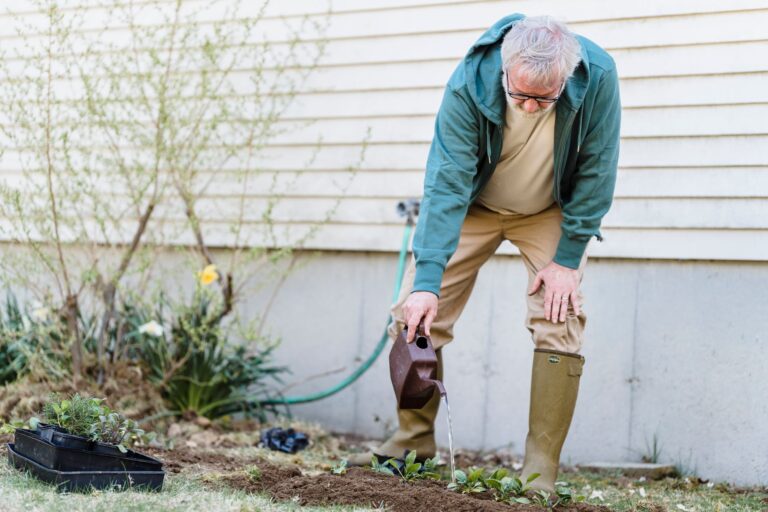
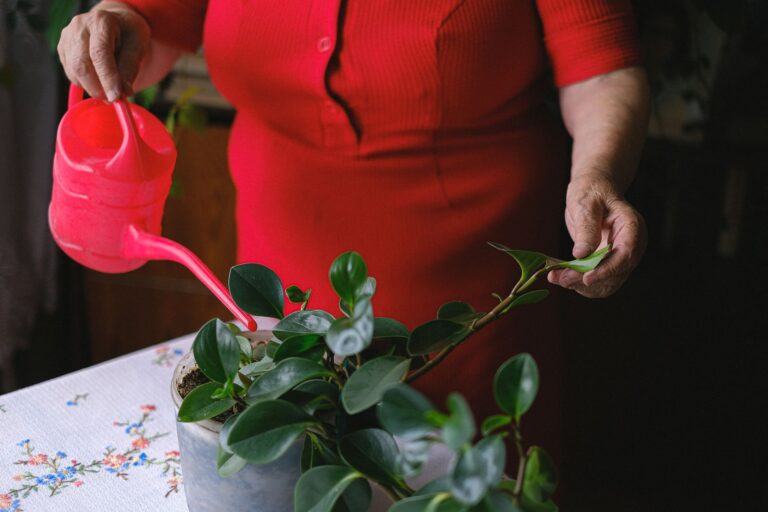
Adapt indoor gardening for one-on-one dementia care with simple container tasks like sowing seeds, watering, repotting, and tending herbs. Pair each task with steady seating, ergonomic tools, safe plants, and close supervision.
Horticultural therapy means structured plant care used to engage memory, attention, senses, and movement. In one-on-one care, the caregiver breaks each job into one clear step and follows the person's pace. The Alzheimer's Foundation of America advises these simple container tasks because they use memory, attention, senses, and fine-motor skills in its gardening activity guidance.
Medical information disclaimer: This article is for general educational purposes only and does not provide medical advice, diagnosis, or treatment. Always consult a physician or other qualified health professional about symptoms, medications, tests, or treatment decisions.
Table of Contents
- Which tabletop tasks work best?
- How do you set up a safe spot?
- What gains does research show?
- How do you match the session to the person?
- When should you pause or simplify?
Which tabletop tasks work best?
Offer one plant job at a time on a clear table. Good choices are dropping large seeds into soil, misting or watering with a small can, moving a seedling to a bigger pot, and pinching or smelling soft herbs. Each task uses hands, eyes, and smell without much standing or lifting.
Break the job into single actions. Hand the person one item, show the motion, then let them copy it. Stay beside them, repeat the same short cue, and let them stop when interest fades.
How do you set up a safe spot?
Choose a sturdy chair with armrests and a stable table at elbow height. Keep soil, water, and tools within reach and floors dry. Use light, easy-grip tools and a small watering can rather than heavy pots or sharp shears.
Alzheimer's Society UK directs caregivers to avoid poisonous, skin-irritating, thorny, or sharp-edged plants, provide steady seating and ergonomic tools, and supervise tool and water use closely in its dementia-friendly activity advice. The University of Connecticut lists commonly toxic houseplants and safer alternatives for caregivers to check before placing plants within reach in its houseplant safety list. Keep sessions short and calm. Put the plant list and poison-control contact near the table.
- cross-check every plant against a poison-control resource before use
- remove thorny, sharp-edged, irritating, or toxic plants from reach
- lock away concentrates, chemicals, and sharp tools after the session
- stay present for water, soil, and tool handling
What gains does research show?
A 23-patient pilot study found four weeks of indoor gardening improved nighttime sleep time and efficiency, daytime napping, agitation scores, and cognition in institutionalized patients with sleep disturbance or agitation, as reported by the U.S. National Library of Medicine/PubMed in its 23-patient pilot study. That result is promising for one-on-one care, but it comes from a small pilot.
Authors call for larger randomized controlled trials before generalizing to all home care. A 10-week program for 51 people with dementia, reported by BMC Geriatrics, found higher mood, behavior, communication, and engagement during gardening than during other activities. A 12-week program of twice-weekly hour-long sessions, reported by Semmelweis University, improved balance, walking speed, and social engagement versus a non-gardening control group. A 2021 systematic review of 16 studies, reported in the International Journal of Environmental Research and Public Health, linked gardening therapy and garden visits with psychophysiological benefits and safer garden design.
How do you match the session to the person?
Watch energy, mood, and attention before you start. Offer gardening when the person is alert and calm, not tired or restless. Morning light and a familiar herb scent can cue the routine.
Give choices, not orders. Ask whether they want to water, touch soil, or smell mint. If words are hard, offer two items to point to. Praise effort at once, name what they did, and save correction for safety issues only.
When should you pause or simplify?
End the task if agitation, fatigue, confusion, or mouthing of plants or soil appears. Remove the material gently, offer water or rest, and try again another day. Simplify next time with fewer steps, larger seeds, or only one tool.
Track what helps in a short log. Note task, time of day, mood before and after, sleep that night, and any agitation. Keep poison-control contact and the plant list by the table, and remove any plant the person tries to taste.