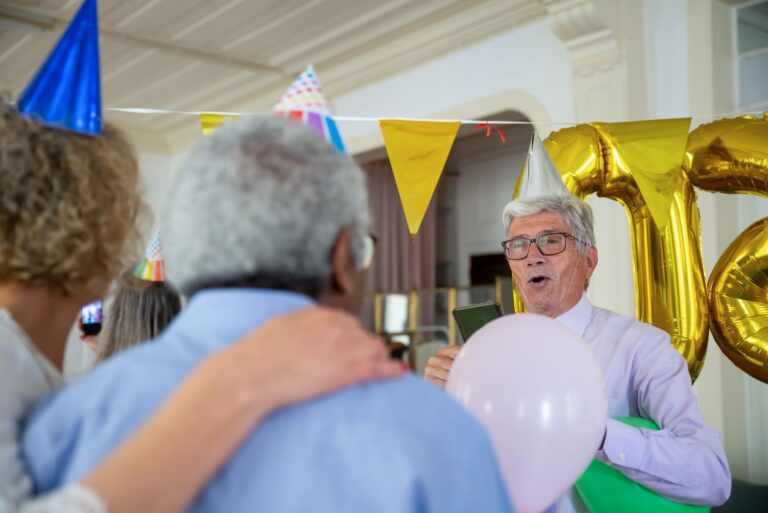
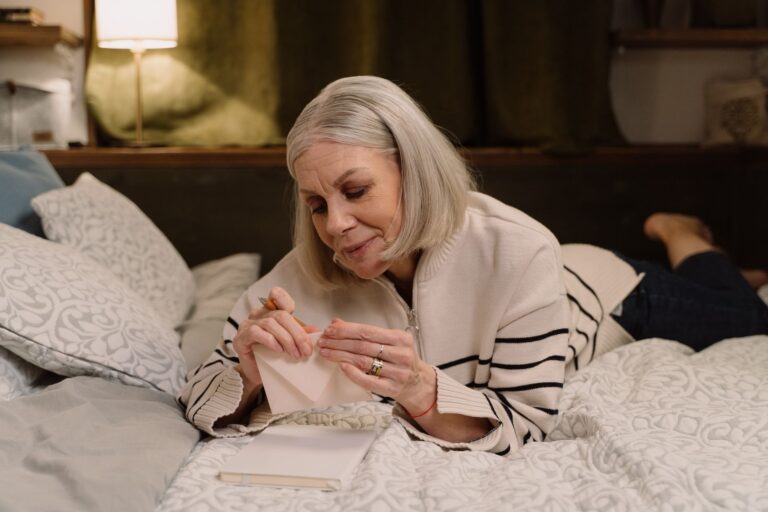
The published evidence behind this title does not identify the couple or reveal a verifiable "last message" from the wife. The honest answer is that her words are unknown, so no quotation or paraphrase should be treated as fact. That does not make the situation itself implausible. Dementia—a syndrome in which problems with thinking, memory, reasoning, or behavior disrupt daily life—can eventually make ordinary conversation extremely difficult.
Medical information disclaimer: This article is for general educational purposes only and does not provide medical advice, diagnosis, or treatment. Always consult a physician or other qualified health professional about symptoms, medications, tests, or treatment decisions.
Table of Contents
- What can readers verify?
- What does "conversation became impossible" mean?
- How can caregivers adapt?
- When should families seek an evaluation?
What can readers verify?
The title provides no names, date, diagnosis, or original record. Without those details, readers cannot establish who wrote the message, what it said, or whether it was truly her final written communication.
A family might reasonably preserve a note as the last clear expression they remember. That personal meaning does not verify a public claim. Unless an original account emerges, alleged wording should not be quoted or shared as authentic.
What does "conversation became impossible" mean?
The phrase is not a clinical stage or diagnosis. Symptoms vary by the cause and severity of dementia, although the National Institute on Aging says people with severe Alzheimer's may eventually become unable to communicate and fully dependent on others in its Alzheimer's disease fact sheet. Communication can deteriorate in several ways.
A person may struggle to find words, understand speech, maintain attention, organize thoughts, or remember what they were saying. These difficulties do not always mean that every form of connection has disappeared. Facial expressions, gestures, posture, and other nonverbal signals may still communicate comfort, distress, preference, or recognition.
How can caregivers adapt?
The goal may need to shift from sustaining a conventional conversation to making each exchange easier. The National Institute on Aging's communication guidance for caregivers recommends practical adjustments: For example, "Would you like water?" may be easier to answer than "What would you like to drink?" A pause, gesture, or change in expression can also be meaningful when a spoken answer does not come.
- Allow extra time for the person to respond.
- Rephrase a question instead of repeatedly asking it the same way.
- Offer simple yes-or-no choices.
- Watch nonverbal signals when words are unclear or absent.
When should families seek an evaluation?
Communication loss alone cannot reveal the cause. Dementia is not normal aging, and possible forms include Alzheimer's, Lewy body, frontotemporal, and vascular dementias. Medication effects, infections, thyroid or organ problems, and vitamin deficiencies can also resemble dementia, according to the NIA's overview of dementia symptoms, types, and diagnosis.
There is no cure for dementia. Medicines may manage symptoms or slow decline for some people, but treatment should not be expected to reverse advanced communication loss, as explained in the NIA's Alzheimer's caregiving guidance. Families facing unexplained communication changes should arrange a clinical evaluation instead of assuming dementia from one symptom. Bring a current medication list and a clear timeline of when the changes began.