Young volunteers provide essential emotional, social, and practical support to people living with dementia and their family caregivers, addressing critical gaps in care that professional services alone cannot fill. From visits that reduce isolation to help with daily activities, volunteers aged 18–35 bring energy, fresh perspectives, and time that relatives often cannot provide while managing their own work and families. A high school student visiting a memory care facility twice weekly to read aloud, play card games, or simply sit with residents can measurably reduce that person’s depression and anxiety—outcomes that doctors recognize but cannot prescribe medication to achieve.
Young volunteers matter because dementia care is fundamentally relational. Medical treatment addresses disease progression, but the human experience of living with memory loss involves profound loneliness, confusion, and loss of identity. Paid staff are stretched thin, family members often live far away or are overwhelmed by caregiving demands, and many people with dementia have no family available. Volunteers fill that relational void, providing companionship, cognitive engagement, and practical help that sustains quality of life.
Table of Contents
- What Specific Tasks Do Young Volunteers Perform in Dementia Communities?
- How Do Young Volunteers Combat Isolation and Loneliness in People with Dementia?
- What Role Do Young Volunteers Play in Cognitive Engagement and Activity Programming?
- How Can Facilities and Families Integrate Young Volunteers Effectively?
- What Are Common Challenges Young Volunteers Face?
- How Do Young Volunteers Contribute to Dementia Research and Advocacy?
- What Skills and Competencies Do Young Volunteers Develop Through Dementia Work?
- Frequently Asked Questions
What Specific Tasks Do Young Volunteers Perform in Dementia Communities?
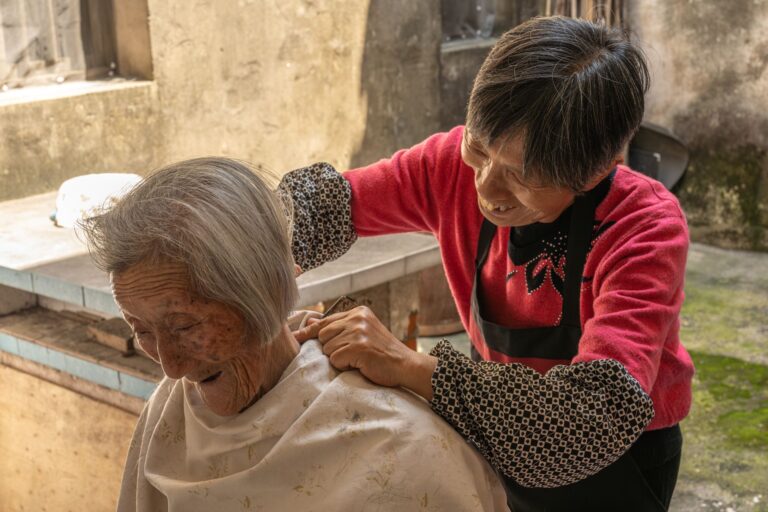
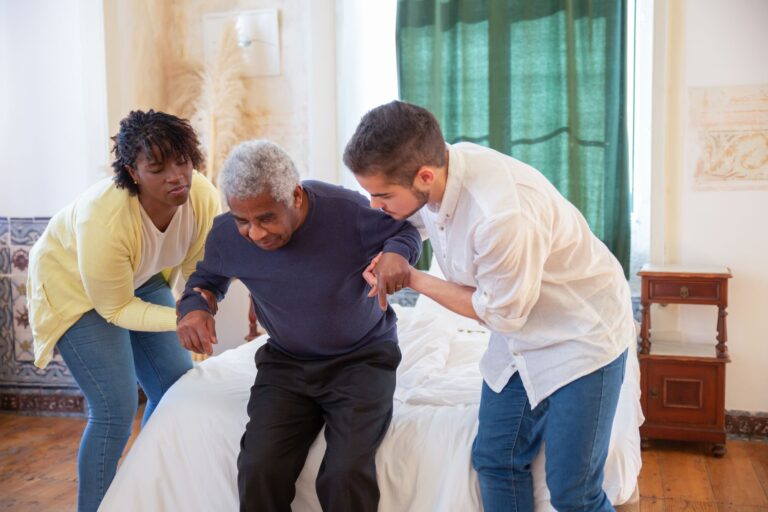
Young volunteers work across residential facilities, community centers, adult day programs, and private homes, taking on roles suited to their age, skills, and the needs of people with dementia. Common tasks include visiting residents to talk, listen, or engage in activities like puzzles, art projects, or reminiscence work; helping with grooming, eating, or mobility assistance; organizing photo albums or life story projects; reading to groups; leading gentle exercise or music sessions; managing appointment reminder systems; and providing respite care so family caregivers can rest. Some volunteers specialize in technology support—teaching a person with mild cognitive impairment how to video call grandchildren, or helping family members access telehealth appointments.
The diversity of roles matters because no two people with dementia have the same needs or preferences. A 28-year-old music therapy student might lead a weekly sing-along, while a college-aged volunteer with graphic design skills might help create large-print memory books or family newsletters. Facilities often discover that young volunteers bring talents that paid staff do not have time to develop: one volunteer at a Seattle memory care unit started a intergenerational storytelling project where residents shared family histories with a group of 10 teenagers, resulting in a published booklet that residents’ families still display at home years later.
How Do Young Volunteers Combat Isolation and Loneliness in People with Dementia?
Isolation is one of the most destructive aspects of dementia. As cognitive decline progresses, many people withdraw from social circles—friends stop visiting because they find the experience painful or confusing, adult children live in different states, and spouses become overwhelmed. A person with dementia may sit alone for entire days, even in a facility with staff present, because staff are performing medical tasks rather than engaging socially. Young volunteers interrupt this isolation through regular, predictable visits and presence.
Research consistently shows that social engagement reduces behavioral problems, slows cognitive decline, and improves mood and life satisfaction in people with dementia. However, there is a critical limitation: volunteer visits cannot replace the intensity and frequency of care that a paid professional or family member provides. A volunteer who visits once weekly cannot address the cumulative loneliness of the other six days, and facilities sometimes overestimate how much a volunteer program can offset inadequate staffing or family involvement. Additionally, young volunteers often face burnout when they encounter residents with severe behavioral symptoms, such as aggression or extreme suspicion, which they may not be trained to manage. Without proper training and emotional support from staff, a well-meaning volunteer can become frightened and stop returning, leaving that resident worse off than before.
What Role Do Young Volunteers Play in Cognitive Engagement and Activity Programming?
Young volunteers often lead or facilitate activities that keep minds and bodies engaged—art classes, gardening projects, bingo, card games, or movie afternoons. Cognitive engagement is therapeutic; research on dementia care shows that activities targeting remaining abilities, rather than dwelling on deficits, preserve confidence and reduce depression. A young volunteer leading a simple trivia game about 1950s music or classic films engages memory pathways that remain intact, gives participants a sense of accomplishment, and creates an opportunity for social connection and laughter.
One example from a Sacramento memory care center illustrates this impact: a 22-year-old college volunteer who had worked as a barista started a “coffee and conversation” program, visiting three afternoons a week to make espresso drinks and chat with residents. The program was minimal in structure—no formal activity—but it created a café-like social environment. Staff reported that residents began dressing up on volunteer days, started initiating conversations with each other about coffee preferences, and expressed fewer complaints of boredom. Family members noticed that relatives who had been withdrawn were more animated after the volunteer’s visit.
How Can Facilities and Families Integrate Young Volunteers Effectively?
Successful volunteer programs require structure, training, and ongoing supervision—not just recruiting enthusiastic young people and hoping for the best. The most effective programs provide orientation on dementia basics (how memory loss manifests, how to communicate clearly, what behavioral changes mean), assign volunteers to consistent residents so relationships can develop, establish clear boundaries around acceptable tasks, and create a system for feedback and problem-solving when conflicts or concerns arise.
Families hiring a personal volunteer or caregiver must vet thoroughly, provide explicit instructions about their loved one’s preferences and triggers, and maintain close communication. A family might employ a 24-year-old college student to visit their mother with Alzheimer’s for three afternoons a week at $18 per hour, which is far less than professional in-home care but requires the family to take responsibility for training, oversight, and reporting. This arrangement can work well if the family is organized and communicative, but it can fail catastrophically if a volunteer is left unsupervised without clear guidance on how to handle a behavior problem or medical emergency.
What Are Common Challenges Young Volunteers Face?
Young volunteers often encounter residents with severe dementia who do not recognize them, do not respond to interaction, or exhibit aggressive, sexual, or other challenging behaviors. A volunteer might spend weeks building a relationship with someone who then enters a more advanced stage of illness and no longer remembers them or seems to recognize anyone. This grief is real and rarely addressed in volunteer training. Some young people are drawn to volunteer work expecting warmth and gratitude but instead encounter rejection, confusion, or hostility—and without a support system, they quit.
Additionally, young volunteers may lack the maturity or boundaries to manage the emotional demands of dementia work. A volunteer might become personally invested in a resident’s medical outcome, begin taking the person’s decline as a personal failure, or struggle with witnessing suffering in someone they have come to care about deeply. Programs that do not provide reflective supervision, peer support, or mental health resources often lose their most talented volunteers to burnout. Some volunteers also drift into performing tasks outside their scope—administering medications, giving medical advice, or making promises to residents that they later cannot keep—because they want to help but lack clear role definition.
How Do Young Volunteers Contribute to Dementia Research and Advocacy?
Beyond direct caregiving, some young volunteers support dementia research and awareness through community organizations. They assist with clinical trials recruiting participants, help collect data for studies on dementia prevention, organize public education events, or work for nonprofits focusing on dementia policy and funding.
Student volunteers with Alzheimer’s Association chapters, for example, help run fundraising walks, lead educational workshops in schools, and advocate for research funding. This work extends the reach of dementia care into younger communities that might not otherwise engage with the issue until a family member is diagnosed.
What Skills and Competencies Do Young Volunteers Develop Through Dementia Work?
Young volunteers who engage meaningfully in dementia care develop emotional intelligence, patience, communication skills, and resilience that serve them across careers and life. Someone who has spent months learning to decode the unmet needs behind a confused or frustrated resident has learned to listen beyond words and respond with empathy—a skill transferable to nursing, social work, teaching, or any field involving human complexity.
Studies of medical students who volunteer with elderly populations show improved empathy scores, fewer instances of burnout, and greater commitment to patient-centered care after graduation. A 26-year-old who volunteers at a day center for three years while working full-time often discovers a professional calling in gerontology, nursing, or social services that shapes their entire career.
Frequently Asked Questions
What age can someone volunteer with people who have dementia?
Most organizations accept volunteers aged 16–18 with parental consent; some accept younger teens for supervised group activities. Minimum requirements vary by facility and insurance policies. High school students often volunteer through school service requirements or nonprofit partnerships.
How much training do young volunteers need?
Effective programs provide 4–8 hours of initial orientation covering dementia basics, communication strategies, and behavioral management. Ongoing monthly training or supervision is standard in well-run programs. Inadequate training is a common cause of volunteer failure and resident distress.
Can young volunteers help with personal care like bathing or toileting?
This depends on licensing rules, facility policy, and the volunteer’s training. Most programs restrict personal care to paid or licensed staff. Some trained volunteers assist with light grooming or eating support under supervision, but boundaries vary widely.
What if a volunteer develops a close relationship with a resident and struggles when that person declines or dies?
Grief and burnout are real occupational hazards. Programs should provide grief support, peer debriefing, and the option to step back temporarily. Volunteers benefit from framing transitions as natural parts of the work rather than personal failure.
How do I find or start a volunteer program?
Contact your local Alzheimer’s Association chapter, your area agency on aging, or individual memory care facilities directly. Many community colleges, high schools, and nonprofits coordinate volunteer placements.
Are young volunteers effective compared to paid staff?
Volunteers excel at providing consistent presence and social connection, which paid staff often cannot prioritize. However, they cannot replace professional clinical care, medication management, or intensive behavioral support. Effective dementia communities use both.