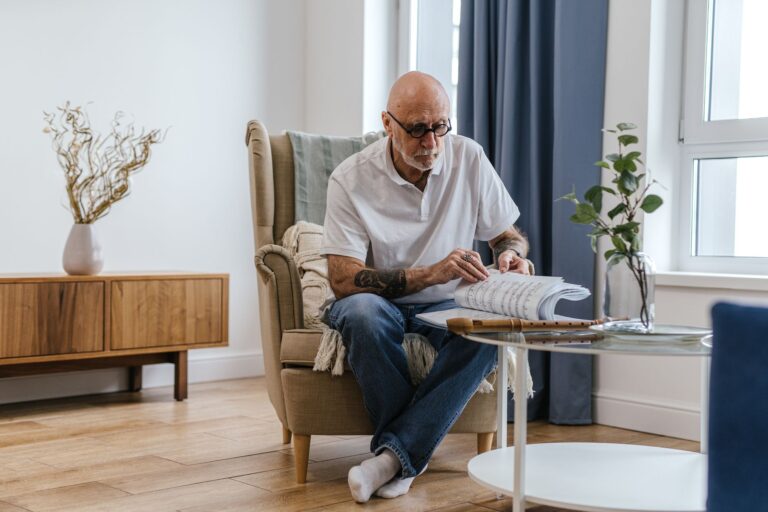
Start music practice safely with mild cognitive impairment, or thinking problems beyond your age group with independent daily living, through short, seated, supervised sessions. Use calm familiar songs at moderate volume in a clear, well-lit space and keep routines simple. The National Institute on Aging explanation of mild cognitive impairment says new routines should stay supervised and simple. Ask a family member, friend, or caregiver to join, watch response, and keep each step easy to follow.
Medical information disclaimer: This article is for general educational purposes only and does not provide medical advice, diagnosis, or treatment. Always consult a physician or other qualified health professional about symptoms, medications, tests, or treatment decisions.
Table of Contents
- What does the research show?
- Which songs should you choose?
- How can you set up safe sessions?
- What habits support music practice?
What does the research show?
A 2026 systematic review and meta-analysis found music therapy raised Mini-Mental State Examination scores versus controls in older adults with MCI. The gain was SMD 0.58, 95% CI 0.37-0.78, according to the PubMed-indexed meta-analysis by Li and colleagues. A randomized trial in Psychology and Aging studied 42 care-home residents with mild-to-moderate decline.
Sixteen one-to-one interactive music-therapy sessions over 5 months improved cognitive, behavioral and physiological outcomes. University of Maine researchers, funded by the National Institute on Aging, are testing two 12-week programs in 48 adults with normal cognition and MCI. One group listens to music while the other learns an instrument.
Which songs should you choose?
For dementia-related agitation and mood, the Alzheimer's Association says calm familiar music can soothe. The same Alzheimer's Association guidance on music and mood notes upbeat childhood favorites can boost spirit and evoke happy memories.
Choose positively received songs and avoid pieces that trigger distress, restlessness, or sad associations. Keep a short list of favorites, test one song at a time, and repeat what brings calm or smiles.
How can you set up safe sessions?
Start with short seated sessions in a clear, well-lit space, as recommended in Centers for Disease Control and Prevention activity guidance for older adults. The National Institute on Deafness and Other Communication Disorders guidance says sounds at or below 70 dBA are unlikely to harm hearing.
It also warns long or repeated exposure at or above 85 dBA can cause loss. Use these setup checks before each practice:.
- Sit with feet flat, instrument and water within easy reach.
- Clear clutter, add bright even light, and keep a helper nearby.
- Keep headphone volume moderate and take listening breaks.
- Use musician earplugs for loud rehearsals or group playing.
What habits support music practice?
The Centers for Disease Control and Prevention recommends at least 150 minutes weekly of moderate activity for older adults. It also recommends 2 days of strengthening and balance work, after clinician clearance. Pair walks, strength work, sleep, and social time with your music schedule.
National Institute on Aging cognitive-health guidance calls lifestyle and music findings encouraging but inconclusive for preventing dementia. Treat music practice as supportive enrichment alongside medical follow-up, not treatment. Ask your clinician whether the activity target fits you before you lengthen practice.