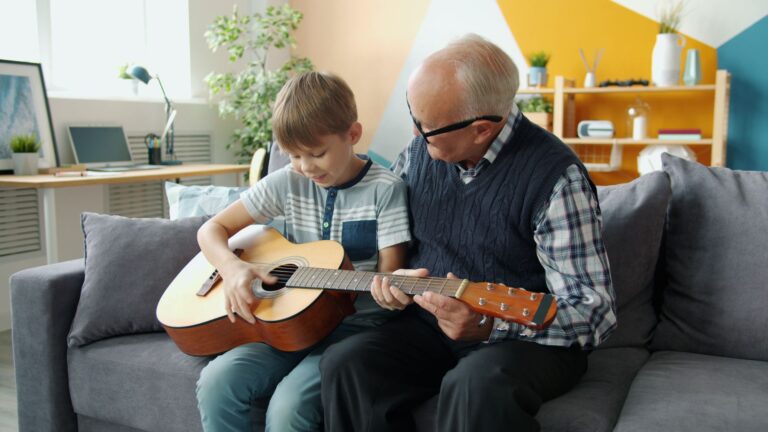
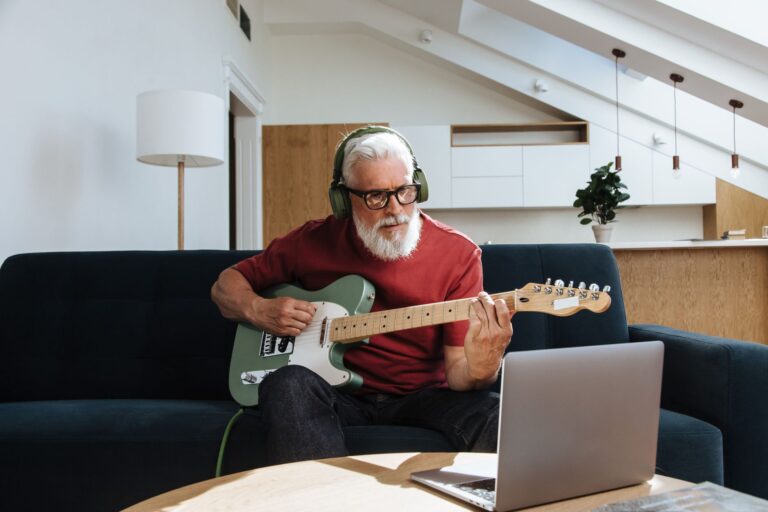
The most common barriers after 65 are cost, travel, hearing loss, physical limits, memory strain, and isolation. They matter because regular listening and playing are linked to lower dementia risk in older adults.
Here, music practice means repeated, active engagement such as listening often or playing an instrument. Cognitive impairment means ongoing trouble with memory or thinking that affects daily life. This guide explains what blocks steady practice and what practical workarounds help.
Medical information disclaimer: This article is for general educational purposes only and does not provide medical advice, diagnosis, or treatment. Always consult a physician or other qualified health professional about symptoms, medications, tests, or treatment decisions.
Table of Contents
- What links music to brain health?
- Why are lessons hard to reach?
- How do hearing and body changes interfere?
- Why does isolation stop steady practice?
- What helps you start despite barriers?
What links music to brain health?
One study followed 10,893 dementia-free Australians age 70 and older. Always listening to music, versus rarely, was linked to 39% lower dementia risk and 17% lower cognitive-impairment risk.
The finding comes from the Monash University study record. Often or always playing an instrument was linked to 35% lower dementia risk in the same Monash cohort. Combined listening plus playing was linked to 33% lower risk.
Why are lessons hard to reach?
Traditional lessons need an instructor, travel, matched schedules, a meeting place, and high fees. The PMC feasibility study on robot-led piano lessons reports those needs limit rural, disabled, chronically ill, and transport-insecure older adults. Think of common breaks in the chain.
- no nearby teacher
- no ride or long drive
- class time clashes with care or clinic visits
- building lacks step-free access
How do hearing and body changes interfere?
About one in three Americans ages 65-74 has hearing loss and nearly half over 75 has difficulty hearing, the National Institute on Deafness and Other Communication Disorders reports. Poor hearing harms pitch discrimination, ensemble timing, and lesson comprehension. See the NIDCD age-related hearing loss page.
A 2022 University of Essex repository record described a community-arts trial in 56 adults averaging 71.3 years. Musculoskeletal pain, hearing problems, and trouble retaining new facts impeded twice-weekly music workshops. Stiff joints limit finger movement and holding an instrument.
Why does isolation stop steady practice?
The National Institute on Aging says isolation risk rises with hearing, vision, and memory loss. Disability, trouble getting around, and loss of family and friends add risk.
Those same losses directly block regular group practice. Missed rides turn into missed weeks. Without a regular group, practice slips and skills fade.
What helps you start despite barriers?
The music-dementia link is observational and cannot prove cause, the University of Maine News reports. The same report points to NIA-funded recorder programs costing about $10 per instrument for untrained older adults. See the University of Maine report. A 2025 Cochrane review covered 30 trials with 1,720 people with dementia.
Shared via EurekAlert, it found music-based therapy probably slightly eases depressive symptoms. It likely does not reduce agitation or improve cognition. Reduce one barrier at a time. Bring a friend to the first session to keep attendance steady.
- ask about a low-cost recorder group for beginners
- use hearing aids and sit near the leader
- pick a seated, daytime class with a ride option