To simplify watercolor painting for middle-stage dementia, sit beside the person, give one step at a time, and start the first brushstroke together. Use a large brush, large paper with a simple outline, and only two color choices. Middle-stage dementia means memory, language, and hand control have declined, but the person can still paint with steady help.
Facilitated painting gives a way to express memories and feelings when words are harder to find. The Alzheimer's Association's Memories in the Making program supports people in early to middle stages with guided painting and drawing for that purpose. Plan a short session and watch for interest, not a finished masterpiece.
Medical information disclaimer: This article is for general educational purposes only and does not provide medical advice, diagnosis, or treatment. Always consult a physician or other qualified health professional about symptoms, medications, tests, or treatment decisions.
Table of Contents
- Set Up a Safe and Simple Space
- Guide One Step at a Time
- Choose Methods That Fit Weaker Control
- What Benefits and Limits Should You Expect?
Set Up a Safe and Simple Space
Use only safe, non-toxic, washable paints and avoid toxic substances, sharp tools, and small parts. The Alzheimer's Association's art therapy tips also call for supervision during art because small items pose choking or mouthing risks art therapy tips.
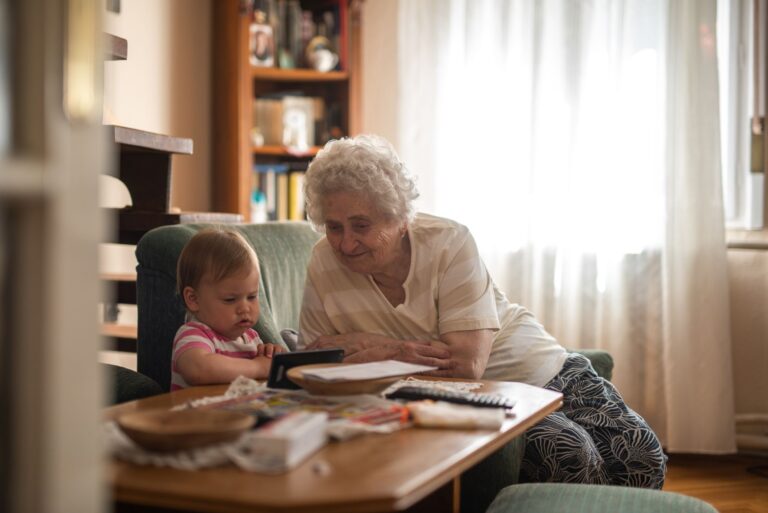
Sit beside the painter at a covered table with water, towels, and easy cleanup. Global One Home Care recommends larger brushes, large watercolor paper, pre-drawn outlines, and a limited palette to offset weaker fine-motor control. Set out only what the step needs, so choice stays low and cleanup stays quick.
- Cover the table and seat the person securely.
- Tape down large paper with a bold outline.
- Offer two washed paints, one large brush, water, and a towel.
Guide One Step at a Time
Break the project into single steps and offer only two color or subject choices. Elli Cares, summarizing dementia activity guidance, advises working alongside the person and starting the first step together meaningful-activities guide. Say let's wash blue across the sky, then pause and let the person respond.
For middle- to late-stage Alzheimer's, the Alzheimer's Association advises caregivers to actively help start the artwork and start the brush movement art and music caregiving advice. Keep words basic and short, then hand over motion as soon as the person joins in. Stay close, repeat the same step calmly, and help restart if attention slips.
Choose Methods That Fit Weaker Control
Maria's Place describes an easier method: color first with watercolor pencils, then wet one color area at a time with a brush or finger. Rinse the brush between colors to keep colors clear instead of muddy. Work one area to dryness before moving on, so the task stays contained.
Keep the project adult and dignified, not childlike. The Alzheimer's Association guidance, as summarized by Elli Cares, favors adult subjects over childlike ones. Judge success by engagement and expression during the work, not by the finished picture.
What Benefits and Limits Should You Expect?
UsAgainstAlzheimer's art discussion notes art brings joy, comfort, conversation, and reduced agitation, but does not treat Alzheimer's. Use the time to talk about colors, memories, or what the painter notices. Stop or pause when tiredness, frustration, or loss of interest appears.
A Brazilian pilot study from the Universidade Federal do Rio Grande do Sul found artwork type and quality varied with severity of cognitive deficit Brazilian pilot study. So expect simpler marks and washes as dementia progresses, and accept them as valid expression. Offer the same simple landscape again next time if it held attention.