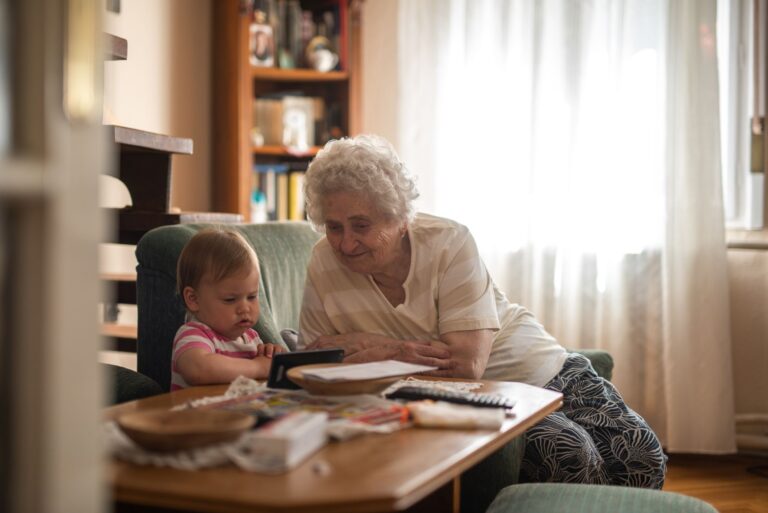
You can build bilingual language use into a dementia prevention routine with limited mobility by pairing daily second-language practice with chair-supported movement and social contact. Cognitive reserve means the brain's ability to maintain thinking skills despite aging or disease, supported by education, occupation, exercise, and bilingualism. In practice, that means short conversations, reading, or listening in a second language alongside safe seated activity. The routine fits fall-prone older adults because neither habit requires standing, travel, or vigorous exercise.
Medical information disclaimer: This article is for general educational purposes only and does not provide medical advice, diagnosis, or treatment. Always consult a physician or other qualified health professional about symptoms, medications, tests, or treatment decisions.
Table of Contents
- Why bilingual activity matters for memory
- What counts as exercise with limited mobility
- How to pair language and movement each day
- What this routine cannot do
Why bilingual activity matters for memory
A 648-person Hyderabad clinic study averaging age 66 found bilingual patients developed dementia 4.5 years later than monolingual patients, according to a report from the American Academy of Neurology. The group included 391 speakers of two or more languages.
The delay appeared for Alzheimer's, vascular, and frontotemporal dementia and persisted after accounting for education, sex, occupation, and rural or urban dwelling. The same report notes the finding held when 14% of participants were illiterate. A 2024 community study in Alzheimer's & Dementia also found bilingual older adults had lower prevalence of dementia and mild cognitive impairment, better baseline cognition, and symptoms 4-5 years later.
What counts as exercise with limited mobility
Regular exercise helps manage weight, strengthen heart and circulation, and support independence. Older adults benefit most from meeting age-appropriate activity amounts rather than staying sedentary. For fall-prone adults, MedlinePlus balance guidance for older adults prescribes chair-supported toe stands, knee curls, and sit-to-stand practice.
It also advises 150 minutes of weekly aerobic activity plus muscle-strengthening on two or more days, breathing slowly without holding breath. Use a sturdy chair or counter for support. Stop and rest if you feel dizzy, unsteady, or short of breath.
How to pair language and movement each day
Keep both habits brief, seated, and repeatable. Aim for one language block and one movement block daily, then combine them once each feels easy.
Link the habits to fixed cues like after morning tea or before lunch. Track days on a fridge calendar rather than minutes or scores.
- Speak or listen in a second language for 10-15 minutes while seated, such as describing breakfast, naming objects, or repeating phrases from radio.
- Read aloud in the second language for five minutes, then retell the passage in the first language.
- Do toe stands, knee curls, or sit-to-stand practice while listening to second-language music, news, or an audiobook.
- Call a friend or relative twice weekly for a short bilingual chat to add social contact.
What this routine cannot do
These findings come largely from observational studies, so they show associations rather than proof that any routine prevents dementia in one person. Bilingualism and healthy habits are linked to later symptoms, not guaranteed prevention. The 2024 Lancet commission led by UCL's Gill Livingston identified 14 modifiable risks accounting for about 45% of dementia cases, including inactivity, isolation, depression, and low education.
Language practice helps most alongside sleep, mood care, hearing and vision checks, and regular medical care. Treat missed days as normal. Restart with the shortest version the next day instead of doubling effort.