Offer watercolor painting in early-stage dementia, when memory and thinking changes are mild and the person still handles most daily tasks. Offer it once a week at the same late-morning time, when alertness is often best. A steady routine beats an occasional long event. Short, calm painting fits home life and keeps the activity inviting.
Medical information disclaimer: This article is for general educational purposes only and does not provide medical advice, diagnosis, or treatment. Always consult a physician or other qualified health professional about symptoms, medications, tests, or treatment decisions.
Table of Contents
- Why early stage works best
- What time of day helps most?
- How long and how often?
- How to keep sessions pressure-free
- What are the limits?
Why early stage works best
The Alzheimer's Foundation of America calls early-stage dementia the best window for watercolor therapeutic activities by stage page. People can still plan, choose colors, and follow multi-step instructions independently.
Choice keeps dignity. Offer two or three color sets and a simple theme, such as apples, sky wash, or garden flowers. Let the person lead and accept any result.
What time of day helps most?
The National Institute on Aging advises a consistent time during the best alert window, often late morning, built into the daily routine adapting activities guidance. Routine lowers confusion about when to start.
Watch for the alert hour over several days. Use the same table, good light, and quiet room. Stop and try earlier next time if attention fades fast.
How long and how often?
A Scientific Reports trial with 54 older adults with dementia tested 50 minutes of art therapy per week for 12 weeks Scientific Reports trial. Agitated-behavior symptoms fell.
Weekly sessions build skill without pressure. Pick the same day and protect it like an appointment. If energy is low, paint briefly rather than skip.
How to keep sessions pressure-free
The Alzheimer's Association advises plenty of time, no need to finish in one sitting, and tasks matched to current abilities and interests. Pressure-free time supports participation more than a finished picture.
The National Gallery of Ireland resource suggests starting with about 20 minutes of hands-on painting within a 45-minute visit, then stopping while it is going well. Use these steps at home.
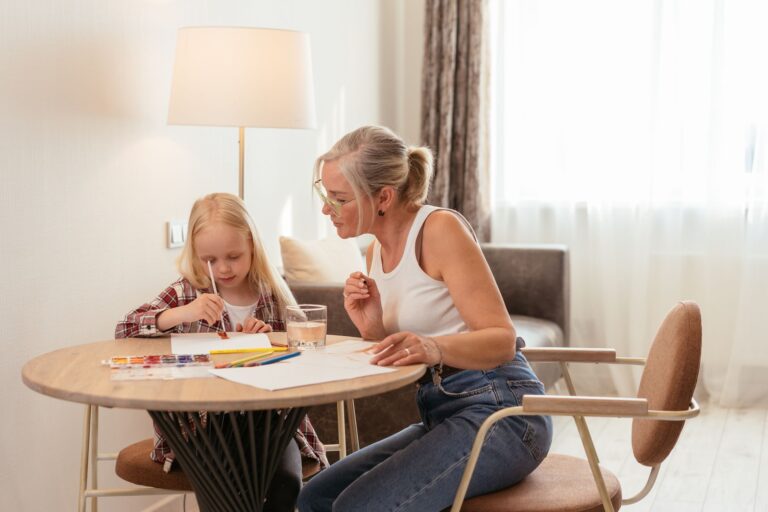
- Set out water, large brush, few colors, and thick paper.
- Paint together, talk about colors, and pause often.
- Stop while mood is good and save unfinished work for next week.
What are the limits?
A LedgeBay summary of Cochrane's 2018 review found only two eligible dementia art-therapy trials totaling 60 participants, rated as very-low-quality evidence Cochrane evidence summary. The base remains small and mixed.
Treat painting as quality time and calm routine, not treatment. Track mood, rest, and agitation across weeks. Bring notes to the care team and adjust timing or length to response.