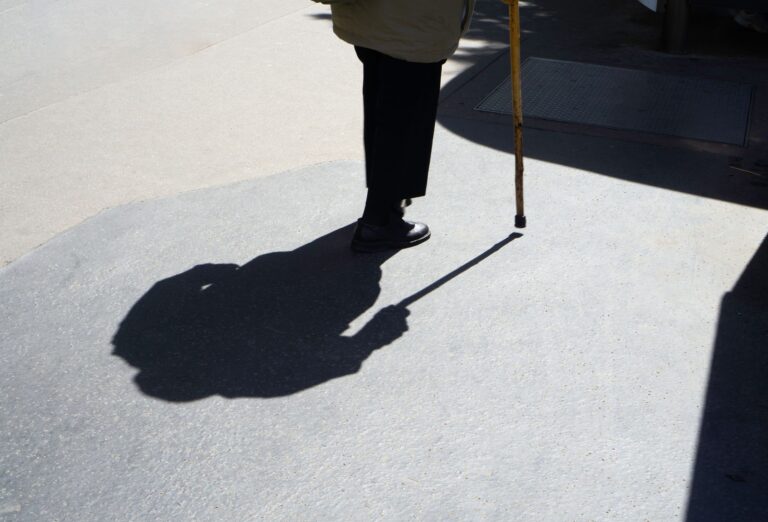
You can reduce falls for a person with dementia without turning their life into a series of “no’s” by targeting the specific hazards that actually cause falls—poor lighting, unsafe footwear, medication side effects, cluttered walking paths—rather than eliminating the activities themselves. The goal is to make movement safer, not rarer. A person who is allowed to keep walking, gardening, and moving around the house stays stronger and better balanced, which lowers fall risk far more than confinement ever could. Restriction, paradoxically, often makes falls more likely, because muscles weaken and confidence erodes when someone sits all day. Consider a woman in her early eighties who loved tending her backyard vegetable beds. Her family, frightened after one stumble, stopped letting her go outside.
Within two months she was noticeably weaker, more agitated, and fell on the way to the bathroom—an activity no one had thought to restrict. A better approach would have kept her gardening, but on level raised beds, with a sturdy walker parked nearby, in shoes with grip, during daylight hours. The activity stayed; the hazard was managed. This is the core principle of modern fall prevention in dementia care: separate the risk from the activity. Most falls are the product of environment, health, and timing—not the simple fact that a person is moving. When you learn to read those factors, you can keep someone active and engaged while still meaningfully lowering the odds that they get hurt.
Medical information disclaimer: This article is for general educational purposes only and does not provide medical advice, diagnosis, or treatment. Always consult a physician or other qualified health professional about symptoms, medications, tests, or treatment decisions.
Table of Contents
- Why Does Restricting Every Dementia Activity Actually Increase Fall Risk?
- Identifying the Real Causes of Falls Instead of Blaming the Activity
- Making the Environment Safer So Activities Can Continue
- Adapting Activities Rather Than Eliminating Them
- Medications, Health Conditions, and the Limits of a Safety-Only Approach
- Building Strength and Balance to Prevent Falls at the Source
- Communicating With Care Staff and Family About Balanced Risk
- Frequently Asked Questions
Why Does Restricting Every Dementia Activity Actually Increase Fall Risk?
It feels intuitive that less movement means fewer falls, but the opposite is often true. Physical activity maintains the leg strength, balance, and reaction time that keep a person upright. When those abilities decline from disuse, the risk of falling during even simple, unavoidable movements—standing from a chair, walking to the toilet at night—climbs sharply. Restriction also tends to concentrate falls into the few activities you cannot prevent, which are frequently the most dangerous ones because they happen when the person is unsupervised or rushing. There is a psychological cost as well. For someone with dementia, being told “no” repeatedly and having familiar activities removed can increase agitation, frustration, and impulsive behavior.
A person who is bored or restless is more likely to stand up suddenly, wander without their walker, or try to do something on their own precisely because they feel constrained. Compare two residents in a memory care unit: one kept busy with supervised walks and simple chores, the other confined to a chair with an alarm. The confined resident often makes more sudden, unassisted attempts to get up—the exact movement pattern most associated with serious falls. Blanket restriction can also cross into the territory of restraint, which most dementia care guidelines actively discourage. Bed rails, tightly tucked lap belts, and chairs someone cannot rise from are associated with injuries, pressure sores, and a loss of dignity. The aim is targeted safety, not immobilization.
Identifying the Real Causes of Falls Instead of Blaming the Activity
Falls in dementia rarely have a single cause. They usually emerge from a stack of contributing factors: a new medication that causes dizziness, a urinary tract infection that suddenly worsens confusion, low blood pressure on standing, poor depth perception, dim lighting, and a throw rug that catches a shuffling foot. When a fall happens during gardening or cooking, it is tempting to ban gardening or cooking. But the activity is usually the setting, not the cause. A useful practice is to keep a simple fall log. Note the time of day, what the person was doing, what they were wearing on their feet, when they last ate or used the bathroom, and any recent medication changes.
Patterns emerge quickly. Many families discover that falls cluster in the late afternoon and evening—linked to fatigue, low light, and the confusion sometimes called sundowning—rather than being tied to any particular hobby. Addressing the timing and lighting does more than banning an activity ever would. One important warning: a sudden increase in falls or a new unsteadiness is a medical event, not just a safety problem. It can signal infection, dehydration, a stroke, or an adverse drug reaction and warrants a prompt evaluation by a clinician. Treating it purely as a reason to restrict movement can mean missing a treatable illness. The limitation of any home safety strategy is that it cannot substitute for a medical review when something changes abruptly.
Making the Environment Safer So Activities Can Continue
The most effective fall prevention often has nothing to do with limiting what a person does and everything to do with changing where they do it. Lighting is the single highest-value fix. Aging eyes and dementia both impair contrast and depth perception, so a hallway that seems adequately lit to a caregiver can read as a dim, uncertain space to the person walking it. Motion-activated night lights along the path from bed to bathroom, brighter bulbs in stairwells, and light switches the person can find easily all reduce falls without touching their routine. Flooring and pathways matter just as much. Removing throw rugs, taping down cords, clearing clutter from walking routes, and marking the edges of steps with contrasting tape lets someone continue moving through their home safely.
For a person who loves to cook, that might mean a non-slip mat in front of the stove, a sturdy stool to sit on while chopping, and frequently used items moved to waist height so they never reach or climb. The cooking continues; the ladder and the loose rug disappear. Consider a man with moderate dementia who kept falling in his bedroom. His family assumed he should no longer get up at night on his own. A closer look revealed the real culprits: a dark room, a low bed that was hard to rise from, and slippery socks. Raising the bed slightly, adding a bed-rail grab handle and a motion night light, and switching to grip socks eliminated the night falls—without anyone forbidding him from getting up.
Adapting Activities Rather Than Eliminating Them
Between the two extremes of “let them do anything” and “let them do nothing” lies the far more useful middle ground of adaptation. Almost any meaningful activity can be modified to lower its risk while preserving what the person values about it. Walking can happen on level, familiar routes with a companion instead of on uneven ground alone. Gardening can move to raised beds and containers. Bathing—a high-risk activity—can be made far safer with a shower chair, grab bars, and a handheld showerhead rather than being reduced to sponge baths that feel undignified. The tradeoff worth weighing is supervision versus independence. Constant hands-on supervision reduces immediate fall risk but can erode a person’s remaining abilities and sense of self, and it is exhausting and often impossible for family caregivers to sustain.
Standby assistance—being present and ready without hovering—usually strikes a better balance. It allows the person to do as much as they safely can while someone is positioned to steady them if needed. The right level shifts as the disease progresses, so it needs regular reassessment rather than a one-time decision. Assistive equipment sits in a similar space. A walker or a gait belt can dramatically improve safety, but only if the person will actually use it and uses it correctly. A walker left in the closet helps no one, and one used improperly can itself cause a trip. Occupational and physical therapists can fit equipment to the individual and train both the person and the caregiver, which makes the difference between a device that protects and one that gathers dust.
Medications, Health Conditions, and the Limits of a Safety-Only Approach
No amount of environmental modification will fully compensate for medications or medical conditions that make someone unsteady. Sedatives, some antipsychotics, sleep aids, certain blood pressure drugs, and even over-the-counter antihistamines can cause drowsiness, dizziness, or a drop in blood pressure on standing. A medication review with a doctor or pharmacist—sometimes called deprescribing—can identify drugs whose fall risk outweighs their benefit. This is frequently the highest-impact intervention available, and it is one that no grab bar can replace. There is an important caution here: never stop or change prescription medications on your own.
Some drugs must be tapered, and abrupt discontinuation can be dangerous. The task is to raise the question with a prescriber and ask specifically whether any current medications increase fall risk, not to make unilateral changes. Similarly, treating vision problems, managing blood sugar, checking for orthostatic hypotension, and correcting foot problems all address root causes that a safety-only approach leaves untouched. The limitation to accept honestly is that falls cannot be eliminated entirely. A person with advanced dementia will eventually have impaired judgment and mobility that no intervention fully resolves. The realistic goal is to reduce the frequency of falls and, crucially, to reduce the severity of injury when a fall does occur—through hip protectors, lower beds, padded flooring near the bed, and quick response systems—rather than chasing an impossible zero.
Building Strength and Balance to Prevent Falls at the Source
One of the most overlooked fall-prevention tools is exercise itself. Programs that build leg strength and balance—chair-based exercises, supervised walking, tai chi adapted for older adults—have a genuine track record of reducing falls in older people, including many with mild to moderate cognitive impairment.
Movement is protective, which is the strongest argument against blanket restriction: sitting someone down to prevent falls removes the very activity that keeps them steady. For example, a simple daily routine of sit-to-stand repetitions from a sturdy chair, done with supervision, can noticeably improve a person’s ability to rise safely on their own. A physical therapist can tailor a program to the person’s abilities, and caregivers can weave short bouts of movement into the day rather than treating exercise as a separate chore the person is unlikely to remember or agree to.
Communicating With Care Staff and Family About Balanced Risk
When several people share caregiving, they need to agree on the same balanced approach, or one person’s caution will quietly undo another’s efforts. If a day-program aide keeps someone active and mobile but a night caregiver responds to every stumble by confining them, the person receives contradictory routines and their strength suffers.
A written care plan that names which activities are encouraged, what adaptations are in place, and what specific hazards to watch for keeps everyone aligned. In residential settings, families sometimes push for the most restrictive option out of fear or worry about liability, while good memory care teams advocate for dignity of risk—the principle that a person retains the right to take reasonable risks in exchange for a fuller life. A frank conversation about what the person themselves would have valued, held early and revisited as the illness changes, tends to produce better decisions than a crisis-driven reaction to a single frightening fall.
Frequently Asked Questions
Will keeping my parent active really lower their fall risk more than restricting them?
For most people with mild to moderate dementia, yes. Staying active preserves the strength, balance, and confidence that prevent falls, while inactivity weakens muscles and concentrates falls into unavoidable movements like standing or walking to the bathroom.
What is the single most effective change I can make?
There is no universal answer, but improving lighting and reviewing medications with a doctor are consistently among the highest-impact steps, often more effective than removing activities.
Are bed rails and chair alarms a good idea?
They can help in specific cases but are frequently counterproductive. Rails can cause serious injury when someone climbs over them, and alarms often trigger the exact sudden, unassisted rising they are meant to prevent. Most guidelines discourage using them as restraints.
When should a sudden increase in falls prompt a doctor’s visit?
Promptly. New unsteadiness or a cluster of falls can signal infection, dehydration, a medication reaction, or a stroke, and should be evaluated rather than treated only as a safety issue.
How do I balance safety with letting my loved one keep their independence?
Aim for standby assistance—being present and ready to steady them rather than hovering or doing everything for them—and adapt activities to be safer instead of eliminating them. Reassess the balance as the disease progresses.