When someone with dementia begins to lose the ability to speak, communication doesn’t end—it transforms. Caregivers can adapt by using a combination of non-verbal cues, visual aids, and assistive technology to maintain connection. For example, a person who can no longer form complete sentences might still understand and respond to familiar hand gestures, simple written words, or communication boards with pictures. The goal is to meet the person where they are and use whatever methods still work.
Speech loss in dementia typically happens gradually. Early stages might involve word-finding difficulties or longer pauses. Middle stages often include difficulty stringing words together and confusing similar-sounding words. In late stages, speech may be reduced to a few words or sounds, yet the person still has thoughts, feelings, and needs to express. Understanding what’s happening neurologically helps caregivers stay patient and creative.
Table of Contents
- Why Speech Fades in Dementia
- Non-Verbal Communication as a Primary Tool
- Alternative and Augmentative Communication (AAC) Devices and Methods
- Setting Up a Communication-Friendly Environment
- Recognizing and Responding to Behavioral Communication
- Using Pictures, Writing, and Visual Symbols
- Accepting the Shift in Communication Roles
- Frequently Asked Questions
Why Speech Fades in Dementia
The loss of speech in dementia occurs because the disease damages the language centers of the brain. The temporal and parietal lobes, which handle speech production and comprehension, gradually decline. This isn’t the same as choosing not to speak—the neural pathways are actually breaking down. In Alzheimer’s disease, language problems often appear early. In frontotemporal dementia, speech loss can be severe even when other cognitive functions remain more intact.
The timing of speech loss varies widely. Some people lose the ability to speak within months; others may retain fragments of speech for years. Caregivers often notice that people with dementia can say automatic words like “yes,” “no,” or familiar exclamations even when they’ve lost the ability to construct new sentences. They may hum, laugh, or cry in ways that clearly communicate emotion even when words are gone. Recognizing these remnants of communication is crucial to preventing isolation.
Non-Verbal Communication as a Primary Tool
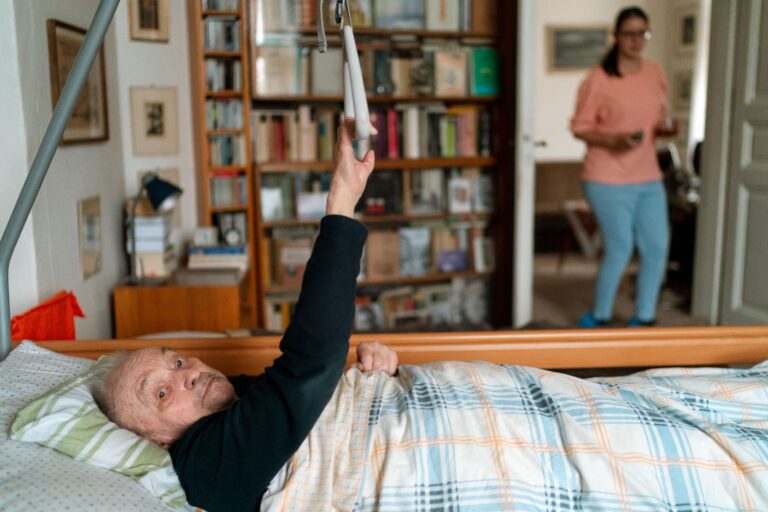
When speech fades, the body often speaks louder. Facial expressions, hand gestures, and physical proximity communicate volumes. A person might point, nod, or shake their head in response to questions. They might squeeze your hand when content or pull away when uncomfortable. Many people with advanced dementia rely almost entirely on these physical signals, and learning to read them accurately is essential.
One significant limitation of relying only on non-verbal communication is ambiguity. A grimace could mean pain, confusion, or simply an itch. A repetitive hand movement could signal distress or be a self-soothing habit. without additional context, caregivers sometimes misinterpret the message. This is why combining non-verbal observation with other communication methods—like asking yes/no questions or using visual aids—reduces the risk of misunderstanding and prevents the person from becoming frustrated when their needs are missed.
Alternative and Augmentative Communication (AAC) Devices and Methods
AAC devices range from low-tech to high-tech solutions. A low-tech example is a laminated communication board with pictures of common needs: water, bathroom, pain, sleep, happy, sad. The person points to the picture, and the caregiver understands immediately. Mid-tech options include devices that speak simple phrases when buttons are pressed.
High-tech AAC devices use eye-tracking or touch screens and can generate complex sentences, though these are most useful if speech loss comes relatively early and the person retains the cognitive ability to operate the device. For someone in the moderate to late stages of dementia, simpler is usually better. A person who once could operate a smartphone might no longer have the fine motor control or working memory to use a complex device. However, a person in early-stage dementia or one who’s losing speech due to stroke or ALS might greatly benefit from more sophisticated AAC technology. The best device is one the person will actually use and that matches their remaining cognitive and motor abilities.
Setting Up a Communication-Friendly Environment
The physical environment matters more than many caregivers realize. Good lighting helps the person see facial expressions and any visual aids you’re using. Reducing background noise—turning off the TV, closing a door—makes it easier for them to focus on your words and gestures. Sitting at eye level rather than standing over them creates a more intimate, less hierarchical exchange.
Simple, short sentences work better than complex explanations, even if the person used to enjoy lengthy conversations. Timing is another critical environmental factor. A person with dementia often needs more time to process words and formulate a response, even if they retain some speech. The tradeoff is patience versus efficiency: if you wait five seconds before repeating yourself, the person might respond; if you rush and repeat immediately, you interrupt their processing and they may lose the thread entirely. Some caregivers use a simple rule: ask a question, then count to ten in your head before assuming no answer is coming.
Recognizing and Responding to Behavioral Communication
When speech is gone, behavior becomes communication. Agitation, repetitive movements, withdrawal, or sudden calmness all carry meaning. Someone who suddenly becomes agitated might be in pain, need the bathroom, or be confused about time and place. Someone who becomes very quiet might be depressed, overstimulated, or simply tired.
One major warning: do not assume you understand the behavior without investigating. A caregiver who assumes agitation means “sundowning” and simply gives medication might miss that the person is experiencing physical pain from an infection or pressure sore. Before attributing behavior to dementia alone, rule out medical causes: urinary tract infections, constipation, hunger, thirst, temperature changes, and medication side effects all trigger behavioral changes. Only after ruling out medical issues is it safe to assume the behavior is primarily cognitive.
Using Pictures, Writing, and Visual Symbols
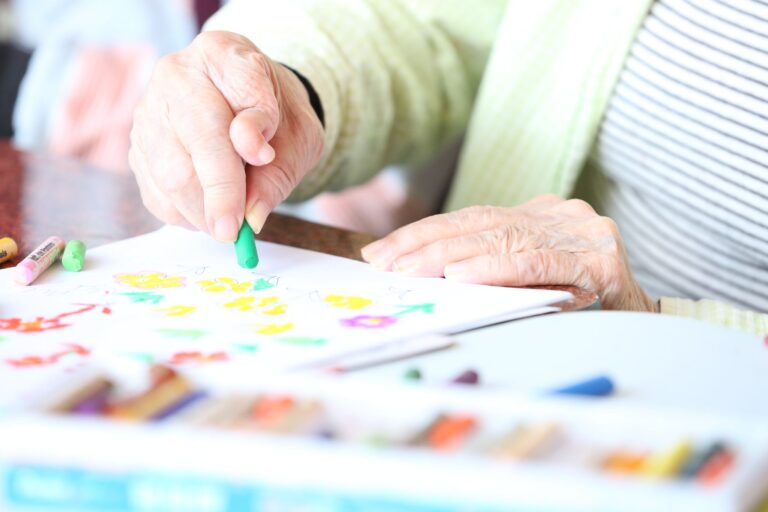
A simple pad of paper and pen can be surprisingly effective, especially in early-stage speech loss when the person can still write. Even if handwriting is shaky or spelling deteriorates, a few words on paper often convey the message better than struggling with speech. In later stages, when writing is no longer possible, showing pictures from a tablet or printed cards can help.
Photos of family members, simple line drawings of objects, or visual schedules showing the day’s activities all reduce confusion and frustration. One specific example: a person who can no longer say “I want my glasses” might point to a photo of glasses or to their own face when frustrated. A printed schedule showing breakfast, lunch, medicine, and dinner in sequence helps orient someone who no longer understands spoken time references. The key is keeping these visual tools accessible, updated, and simple enough that the person can process them quickly.
Accepting the Shift in Communication Roles
As speech fades, the conversation becomes less of a back-and-forth exchange and more of a one-way connection with moments of response. A caregiver might do most of the talking—explaining what’s happening, narrating the day, reminiscing—while the person listens and occasionally responds through gesture or brief sounds. This is a profound shift, and it’s normal to grieve the loss of the verbal relationship you once had.
Some people find comfort in continuing to talk to the person with dementia, even when verbal responses are rare or absent. Research suggests that people in advanced dementia still hear and may process emotion, tone, and meaning even when they can’t respond with words. Others find the silence difficult and might benefit from music, touch, or activity-based connection instead. Neither approach is wrong; both acknowledge that meaningful connection persists even when traditional speech is gone.
- —
Frequently Asked Questions
Can people with dementia understand what’s being said even if they can’t respond?
Often yes, especially early in the speech-loss process. Comprehension typically fades more slowly than the ability to produce speech. Even in late stages, people often understand emotion, tone, and familiar voices, even if they can’t form a verbal response.
Should I use “baby talk” or simpler speech with someone who’s losing language?
Use simpler sentence structure—short sentences, concrete words, fewer choices. But maintain an adult tone and respectful volume. Baby talk is demeaning and can increase confusion and resistance.
What’s the best communication device for someone with dementia?
The best device is the simplest one that works for that person’s remaining abilities. A laminated picture board often works better than a complex high-tech device in moderate to late dementia. In early stages with good cognitive function, more sophisticated AAC might help longer.
How long should I wait for a response after asking a question?
Wait at least five to ten seconds before assuming the person hasn’t understood or won’t respond. Giving more processing time often results in an answer, however simple. If no response comes after ten seconds, rephrase or try a different communication method.
Is it normal to feel frustrated when communication becomes difficult?
Yes. This is a real loss, and frustration is a valid emotion. Acknowledging your own feelings without blaming the person helps you stay patient. Talking to support groups, counselors, or other caregivers normalizes the experience.
Should I correct the person if they say something confusing or factually wrong?
Not usually. If someone is lost in time or recalls an event inaccurately, correcting them often increases confusion and agitation. Gently validating their emotion and redirecting to a calmer topic usually works better than “correcting” reality. —