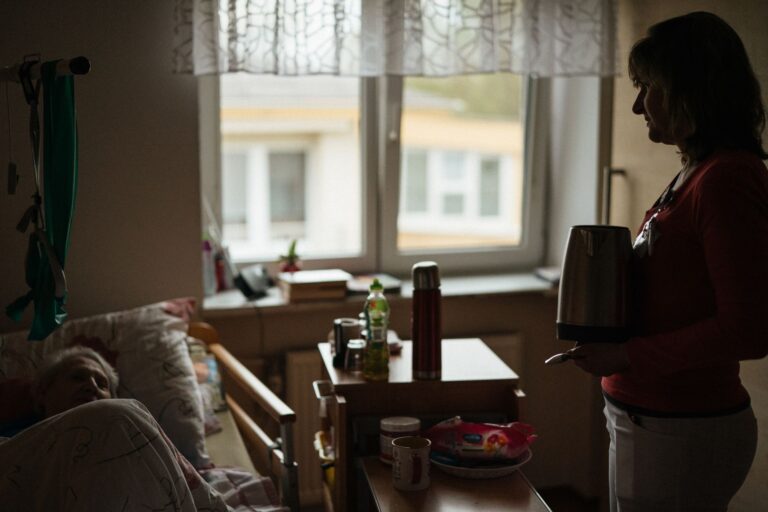
Caregivers can prepare by gathering medical and therapy records, writing down specific concerns and questions, and confirming insurance and referral rules. A speech-language pathology evaluation is a structured check of speech, language, cognitive-communication skills, and swallowing. The visit usually starts with history-taking, then testing and observation. Bringing the person rested, fed, and comfortable helps the clinician get a clear picture in one session.
Medical information disclaimer: This article is for general educational purposes only and does not provide medical advice, diagnosis, or treatment. Always consult a physician or other qualified health professional about symptoms, medications, tests, or treatment decisions.
Table of Contents
- What does the evaluation cover?
- Which records should you send ahead?
- What should you share and ask?
- How should you plan visit day?
- Will you leave with a plan?
What does the evaluation cover?
A comprehensive assessment pulls together case history, interviews with family and other informants, and review of hearing and thinking skills. It also uses formal and informal speech-language measures and watches how the person communicates on real tasks, according to American Speech-Language-Hearing Association practice guidance in its preferred practice patterns.
Expect questions about medical history, daily communication problems, hearing changes, memory, and safety with eating or drinking. The clinician may also review work-like samples, such as writing, lists, or messages, to see errors and strategies.
Which records should you send ahead?
Clinics often match the person to the right specialist after reviewing background information. Seattle Children's asks families to complete an intake questionnaire and send school, medical, and therapy records before scheduling, as described in its what-to-expect guidance.
For an adult with dementia, gather a medication list, hearing and vision history, neurology notes, prior speech therapy reports, and recent examples of communication difficulty. Include notes from daily caregivers about word-finding, understanding instructions, conversation breakdowns, coughing during meals, or weight loss.
What should you share and ask?
Cleveland Clinic speech-language pathologists begin by talking with patients and loved ones to document medical history and specific communication concerns, explained in its speech therapy overview. Bring short, concrete examples with dates, settings, and what helped.
Write the questions down and bring the list. Seattle Children's advises caregivers to write down specific questions about the condition or treatment before the appointment, noted in its what-to-expect guidance.
- Main communication or swallowing changes and when they began
- Biggest safety worry at home or in the community
- Hearing, dentures, glasses, or devices used daily
- Goals for independence, meals, phone calls, and visits
How should you plan visit day?
Make comfort practical. Valley Children's tells caregivers to bring the child well rested, fed beforehand, and toileted before the session so the visit stays focused.
The same approach helps older adults stay alert and cooperative. Bring hearing aids, glasses, dentures, a current medication list, insurance card, referral form, and a notebook. Arrive early enough to settle in, use the restroom, and turn hearing devices on with fresh batteries.
Will you leave with a plan?
Not always on day one. Valley Children's notes the first visit is collaborative and may require a mini-assessment, with specific therapy goals taking a couple of sessions.
Plan for follow-up testing, referrals for hearing or medical review, and home strategies first. Use the interval to track meals, choking or coughing, communication breakdowns, and caregiver burden. Bring that log to the next visit so goals match daily life.