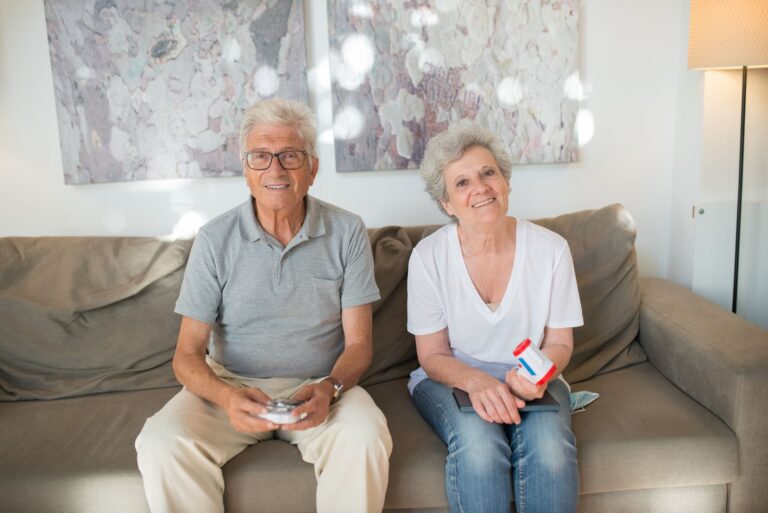
To help someone with dementia feel heard, you must slow down, listen without planning what to say next, and reflect back what they’re telling you—not by correcting or redirecting, but by acknowledging their emotions and the meaning behind their words. A person with dementia who says “I need to get home to help my mother” may not need a fact check; they need you to recognize that they’re expressing a sense of purpose or connection, and to respond with something like “It sounds like helping your mother is important to you” rather than “Your mother passed away in 1995.” This matters because dementia damages memory and language processing, but it doesn’t erase the person’s need to feel understood. Studies show that people living with dementia experience less anxiety and aggression when they feel genuinely heard—not managed or placated, but truly listened to. The difference shows up in daily life: a person who feels dismissed or corrected may withdraw or become upset, while someone who feels validated becomes more engaged and calm.
Table of Contents
- Why Does Feeling Heard Become Harder as Dementia Progresses?
- Active Listening Skills for Dementia Conversations
- Adapting Your Communication for Language Loss
- Removing Judgment From Conversations
- Common Barriers That Block Feeling Heard
- The Role of Memory in Feeling Heard
- Separating Validation From Agreement
- Frequently Asked Questions
Why Does Feeling Heard Become Harder as Dementia Progresses?
As dementia advances, a person’s ability to retrieve words, form complete sentences, and organize their thoughts becomes fragmented. They might struggle to finish a sentence, repeat the same phrase multiple times, or jump between topics. caregivers often respond by trying to “fix” this—filling in blanks, rushing to understand, or simply speaking over the person.
But interrupting or completing sentences, even with good intentions, tells the person that their effort to communicate doesn’t matter. The emotional part of the brain often holds longer than the memory part, which means someone with advanced dementia may not remember what they said five minutes ago, but they will remember how you made them feel during the conversation. If you looked annoyed or impatient while they struggled to speak, they’ll carry that feeling of rejection even if they don’t remember the words. Compare this to a conversation where you leaned in, made eye contact, and waited—that person may not recall the topic, but they’ll sense that someone cared enough to listen.
Active Listening Skills for Dementia Conversations
Active listening with someone who has dementia means resisting the urge to interpret, judge, or correct. Instead of listening to gather information or plan your response, listen to understand the emotion and intention. If someone says “They’re stealing from me” and you know for certain no one is, the instinct is to reassure them with facts. But facts don’t reach someone whose brain is interpreting the world through confusion and fear.
Active listening means acknowledging “You’re feeling worried” before even thinking about whether the concern is factually accurate. One limitation of active listening with dementia is that it requires more time and energy than most people expect to give. A conversation that would take five minutes with someone without dementia might take thirty minutes with someone who has dementia, because they may need you to repeat yourself, pause for processing, or start over when they lose the thread. Caregivers are often exhausted, and the temptation to rush is real. But the more rushed or impatient you become, the more the person senses it, and the harder they try—which actually makes communication take even longer.
Adapting Your Communication for Language Loss
As dementia progresses, simple, concrete language works better than complex sentences or abstract ideas. Instead of “The doctor wants you to take medication to manage your blood pressure,” try “Here’s something to help you feel better.” Instead of “Do you understand?” (which puts pressure on someone who may not know whether they understand or not), you might simply proceed slowly and watch for non-verbal cues—nods, changes in expression, or tension in their body. A specific example: If someone with dementia asks “When is my daughter coming?” and she visited yesterday, the factual answer is “She was just here.” But the person doesn’t remember that visit, so the statement lands as “you’re wrong,” which can trigger distress or defensiveness.
A better approach is to acknowledge the feeling: “You miss your daughter. That shows how much you care about her.” If they need practical reassurance, add “She’ll be here soon” or “She visits every Tuesday”—concrete language that gives them something to hold onto. Visual supports help too: a photo of the daughter, a written note about when she visits, or a calendar marked with the visit date can make the message stick better than words alone.
Removing Judgment From Conversations
Many conversations between caregivers and people with dementia become derailed by an unspoken judgment—the caregiver’s internal reaction to something the person said or did. If someone with dementia makes a racist comment, a sexual comment, or something that contradicts what they’ve always believed, the natural response is shock or disapproval. But expressing that judgment, even nonverbally, makes the person feel ashamed and attacked, which shuts down communication entirely. A judgment-free environment means choosing not to react with shock, correction, or disappointment.
This is harder than it sounds, because staying neutral when someone says something offensive requires active self-management. The tradeoff is that by not expressing judgment, you’re not endorsing the behavior—you’re just choosing not to let the emotional weight of that response land on someone who is already struggling with confusion and loss of control. You can still set boundaries around behavior (“I can’t accept that language”) without making it about who the person is. This distinction matters: “That’s inappropriate” is a judgment on the person; “I need you to speak differently to me” is a boundary around behavior.
Common Barriers That Block Feeling Heard
Noise, interruptions, and competing attention are among the biggest barriers to feeling heard. Someone with dementia has a much harder time filtering background noise or tuning out distractions, so a conversation happening while the TV is on, other people are talking, or the phone is buzzing is a conversation that won’t land. The person may try to communicate something important, but the noise interferes with both their ability to form words and your ability to understand them. Another major barrier is the assumption that the person can’t understand.
Families and caregivers sometimes talk about someone with dementia in front of them, or use baby talk, or speak loudly and slowly in a way that feels demeaning. Research shows that people with dementia often understand far more than they can express, which means you may be overestimating their confusion while underestimating their awareness. A warning: if you treat someone as if they’re less intelligent or aware than they actually are, they will pick up on that condescension, even if they can’t name it. Dignity is inseparable from feeling heard—the person needs to sense that you believe they are a full person capable of having something worth saying.
The Role of Memory in Feeling Heard
When someone with dementia repeats the same story or question multiple times, it’s tempting to say “You already told me this” or to skip ahead because you already know what they’re going to say. But from their perspective, they’re telling it for the first time. Letting them know you’ve heard this before can feel like a rejection—they didn’t remember saying it, so on a very real level, they didn’t.
Responding as if it’s the first time doesn’t mean pretending you don’t know the story; it means meeting them in the present moment. If someone says “My son was in the war,” and they told you this yesterday and the day before, you can still lean in and listen as if it’s important (because it is). You might learn something new each time—a different detail, a different emotion they’re connecting to the memory. For the person with dementia, each retelling is a chance to express something that still matters to them, and to have that mattering acknowledged.
Separating Validation From Agreement
A common confusion in dementia care is thinking that validating someone’s feelings means you have to agree with their facts. If someone says “My mother is coming to pick me up” and their mother is deceased, validation doesn’t mean saying “Yes, your mother will be here soon.” It means saying “I hear that you’re thinking about your mother” or “Your mother meant a lot to you.” You’re validating the emotion and the relationship, not the false belief. This distinction is crucial because it allows you to stay truthful while still making the person feel heard.
If someone is very distressed about a false belief, gently introducing reality sometimes helps: “Your mother passed away many years ago. I know you miss her.” Sometimes it doesn’t help, and the person becomes more distressed. In those moments, the most caring response is often to step back from correcting and return to validation: “I know this is confusing. I’m here with you.” The goal isn’t to make someone remember correctly; it’s to make them feel safe and understood in this present moment.
Frequently Asked Questions
What if the person with dementia says something that isn’t true? Should I correct them?
Gentle, occasional reality orientation can help, but correcting someone repeatedly shuts down communication. Validate the emotion first (“I hear that you’re worried”), then decide if a factual correction is actually necessary in that moment. Often, it isn’t.
How do I listen patiently when I’m exhausted or frustrated?
Acknowledge that you’re human. Take breaks when you need them. If you’re burned out, you can’t listen well, and that’s not failure—it’s a signal that you need support. Talk to other caregivers, ask for respite care, or seek counseling to manage your own feelings so they don’t spill into conversations.
Does someone with advanced dementia still want to be heard?
Yes. Even people who can’t speak or seem unresponsive often respond to tone, touch, and presence. Your calm, attentive presence communicates that they matter, even when words aren’t possible.
What if I make a mistake in a conversation—say something impatient or wrong?
Don’t apologize repeatedly or make a big deal about it. If the person is upset, return to listening and validation. Often, they won’t remember the mistake anyway, but they’ll remember how you responded to their distress.
Can other family members help me practice being heard-focused?
Yes. Family meetings where you discuss communication goals, share what’s working, and support each other are valuable. Sometimes having another person model patient listening makes it easier to see what’s possible.
Is there a “right” way to validate someone who’s confused?
Not exactly. The right way is whatever keeps the person feeling safe and respected. Some people need gentle corrections; others need pure validation. You’ll learn through listening what works for your specific person.