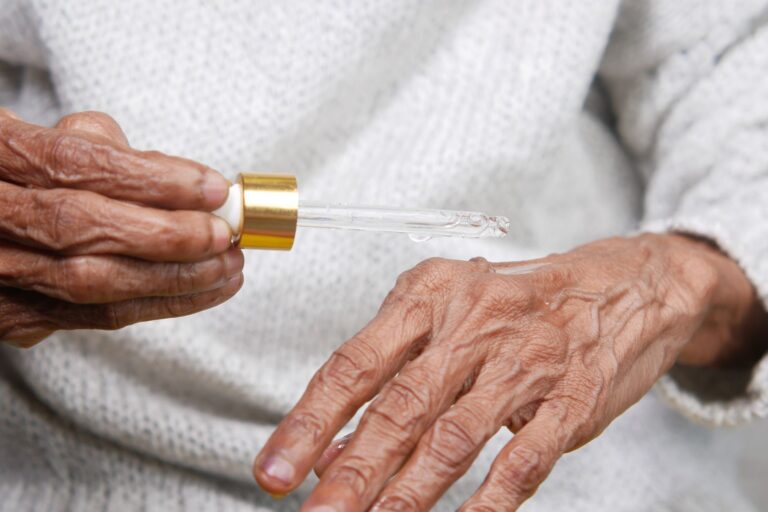
Comfort objects for dementia work best when they match the person’s individual sensory preferences and personal history—a cherished photograph might calm one person while a soft blanket soothes another. The goal is to find tangible items that reduce anxiety, provide grounding during confusion, or gently redirect restlessness without forcing engagement. A woman who spent decades gardening may find peace holding smooth river stones; a man who loved jazz might respond to a music player with his favorite albums.
There is no universal comfort object; the selection process depends entirely on observing what naturally captures attention and creates moments of calm in that specific person. When choosing comfort objects, prioritize safety, accessibility, and authenticity over novelty or commercial “dementia products.” The most effective items are often everyday objects with real personal meaning—not items marketed as therapeutic tools. This approach respects the person’s dignity while avoiding the trap of oversimplified solutions.
Table of Contents
- What Role Do Comfort Objects Play in Dementia Care?
- Safety Considerations and Hidden Risks
- Identifying Personal Preferences and Sensory Triggers
- Practical Selection and Acquisition Strategies
- Seasonal and Progressive Changes
- Sensory Objects for Specific Dementia Presentations
- Documentation and Communication with Care Teams
What Role Do Comfort Objects Play in Dementia Care?
Comfort objects serve multiple practical functions in dementia care beyond simple distraction. They can interrupt loops of repetitive questioning or agitation by redirecting attention to something tangible and familiar. A person with advanced dementia who cannot articulate distress may visibly relax when given a crocheted blanket they’ve had for thirty years, even if they no longer remember who made it. The object itself carries weight and familiarity that bypasses cognitive loss—the hands remember what the mind forgets.
Research on sensory experiences in dementia care shows that tactile engagement (touch, texture) often remains intact longer than visual or auditory processing. A soft object, a weighted lap blanket, or textured fabric can engage the senses in ways that feel inherently soothing rather than forced. Comfort objects also reduce the need for verbal redirection; instead of saying “calm down” repeatedly, a caregiver can simply place a familiar item within reach. This non-verbal approach bypasses some of the communication barriers that emerge in later-stage dementia.
Safety Considerations and Hidden Risks
Not all beloved objects are safe for someone with advanced dementia. Small decorative items, objects with breakable parts, or anything with sharp edges pose risks during moments of confusion or agitation. A person’s favorite antique music box might have a mechanism that could cause injury; a collection of small ceramic figurines creates choking hazards. Caregiver burnout can lead to overlooking these dangers—”she’s always loved that necklace” is true, but if she’s now pulling at it or trying to eat beads, it needs to be replaced with a safe alternative.
Supervisory capacity matters. An object that works beautifully during a calm afternoon might become problematic when the person is unsupervised or when their cognition shifts unexpectedly. Laces, cords, and dangling attachments are common culprits in strangulation or entanglement incidents. Even innocent items like eyeglasses or hair clips can become safety issues if the person is disoriented enough to use them inappropriately. A realistic assessment of the person’s current level of independence and supervision—not their baseline abilities—must guide object selection.
Identifying Personal Preferences and Sensory Triggers
The most reliable way to choose comfort objects is to observe what naturally draws the person’s attention without prompting. Does she reach for soft textures? Does he gravitate toward familiar smells—his old jacket, a particular soap brand, his garden? Some people respond to weight and pressure; others prefer lightweight, flowing fabrics. Asking family members about lifelong sensory preferences can reveal patterns: Was this person always particular about textures? Did they have favorite scents? What did they reach for when stressed before dementia? Creating a small sensory inventory with input from longtime family members and friends yields better results than guessing.
One family discovered that their father, a former mechanic, found deep calm in holding his old work gloves, worn and shaped by years of use. Another family found that their mother’s anxiety dropped measurably when given a basket of smooth, different-sized stones—objects she’d collected decades earlier during beach walks. These discoveries often come from observation rather than trial-and-error shopping, and they point to deeply embedded personal history rather than to what advertising suggests people “should” find comforting.
Practical Selection and Acquisition Strategies
Start with objects already in the home rather than purchasing new items. The person’s own belongings carry authentic meaning and history that commercial products cannot replicate. A pillow from their bed, a sweater they loved wearing, a hairbrush they’ve used for years—these objects are free, immediately available, and genuinely tied to their life. If family members or longtime friends can contribute items—a beloved photo, a scarf, a piece of jewelry—these additions extend the pool of authentic choices without commercial expense.
When new objects are necessary, prioritize durability and washability. Soft fleece blankets are inexpensive and easy to clean—better choices than delicate silk scarves that require hand-washing or specialty care. Weighted blankets designed for anxiety sufferers come in machine-washable covers and provide both tactile and pressure-based comfort, though they require careful sizing to avoid overheating. Fidget tools marketed for autism spectrum support—textured balls, smooth stones, silicone chewelry—are inexpensive and designed with safety in mind, though their artificial nature means they lack the personal resonance of inherited objects.
Seasonal and Progressive Changes
Comfort objects that work beautifully during one stage of dementia may lose their appeal or become unsafe as the disease progresses. A jigsaw puzzle enthusiast who finds calm in holding puzzle pieces during middle-stage dementia might become fixated on swallowing them during advanced stages, necessitating a replacement strategy. Seasonal shifts also matter: a person who loves holding a quilted blanket in winter might overheat with the same object in July.
Caregivers need to maintain flexibility and be willing to rotate objects or introduce alternatives without guilt about abandoning previous choices. There is a genuine risk of over-reliance on a single comfort object, particularly if it becomes damaged or lost. If a specific stuffed animal is the only thing that calms the person, what happens when it needs washing, or when it deteriorates with age? Building redundancy into the comfort object collection—having two similar blankets, multiple photographs in frames, several music players with the same playlist—protects against crisis moments when the primary object is unavailable. This approach requires accepting that comfort measures sometimes fail regardless of preparation, and that failure is not a reflection of caregiver effort or knowledge.
Sensory Objects for Specific Dementia Presentations
People with primarily visual impairment or late-stage dementia who have lost significant sight often respond best to tactile and olfactory comfort objects. Scent-based objects—a pillowcase spritzed with a familiar perfume, a small cloth sachet with lavender or rose petals—can ground someone more effectively than visual items.
For people with hearing loss or auditory processing changes, tactile and olfactory objects again take precedence over sound-based tools like music players. Understanding the person’s current sensory landscape, not their pre-dementia abilities, ensures that comfort objects actually reach them.
Documentation and Communication with Care Teams
When a person receives care from multiple caregivers—family members, facility staff, visiting nurses—the comfort objects and their uses must be documented and communicated clearly. A written note attached to a comfort object or included in care instructions (“holds this blanket during morning anxiety,” “touches stones when agitated”) ensures consistency across all caregivers.
Without communication, a new caregiver might misinterpret an object’s purpose or inadvertently create a situation where the comfort object is removed or inaccessible during a moment when it’s most needed. Care plans that include comfort objects are stronger and more responsive than those that rely on medication or verbal redirection alone.
- —