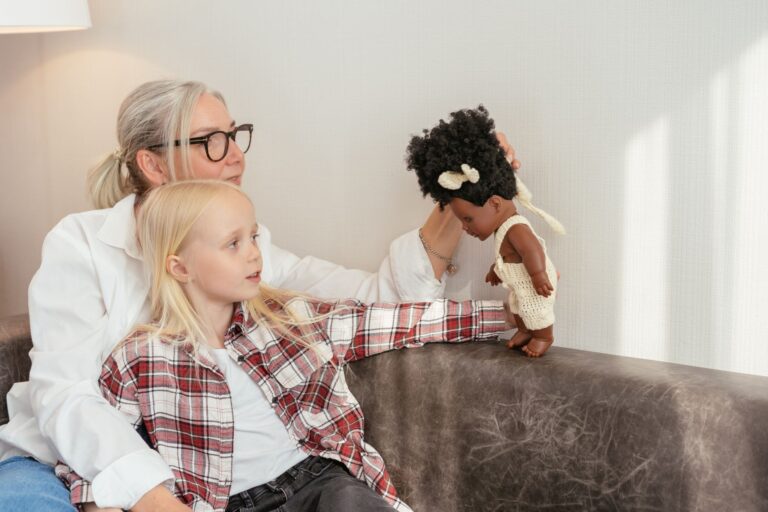
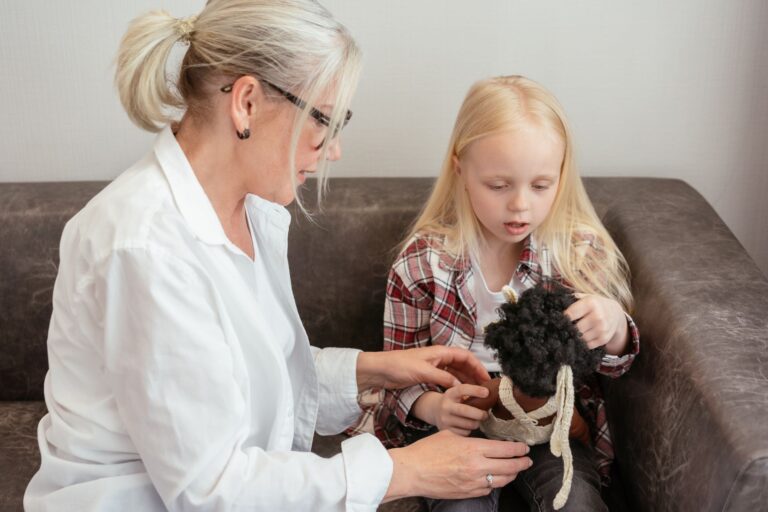
Texture is one of the most underestimated tools in dementia care. When words and memory begin to fail, touch remains—and certain textures can calm agitation, anchor a person to the present moment, and even unlock fragments of recognition. A person with mid-to-late stage dementia may no longer respond to conversation, but will often calm noticeably when holding a soft blanket, a piece of velvet, or a textured ball. This happens because the sensory experience bypasses the damaged areas of the brain responsible for language and recent memory, and activates the parts that still process physical sensation and emotion.
Research in sensory stimulation therapy shows that texture engagement activates the tactile cortex—the area of the brain responsible for touch sensation—in ways that can reduce anxiety, lower cortisol, and provide genuine comfort even when cognitive function is severely compromised. Unlike verbal reassurance, which requires intact language processing, texture works at a more primitive neurological level. A person in the late stages of dementia who cannot tell you their name may still recognize the difference between silk and sandpaper, and may have a clear preference for one over the other. The goal in dementia care shifts from trying to make someone “better” or restore what’s lost, to finding what still works. Texture is something that still works for most people with dementia, right up until the end.
Table of Contents
- HOW TEXTURE ENGAGES THE DEMENTIA BRAIN
- THE RISK OF SENSORY SEEKING AND OVERSTIMULATION
- TEXTURE AS AN EMOTIONAL ANCHOR
- CHOOSING TEXTURES FOR DIFFERENT SITUATIONS
- TEXTURE PREFERENCES AND LOSS OF AGENCY
- TEXTURE IN ADVANCED DEMENTIA AND END-OF-LIFE CARE
- TEXTURE OBJECTS AND CONTAMINATION CONCERNS
- Frequently Asked Questions
HOW TEXTURE ENGAGES THE DEMENTIA BRAIN
The human brain processes touch through specialized sensory pathways that remain relatively intact even when other cognitive systems have deteriorated. When someone with dementia holds a textured object, the sensory neurons in their fingertips send signals directly to the brain’s sensory cortex. This happens automatically, without requiring memory recall or language comprehension. In practical terms: if a caregiver hands someone a piece of burlap or a knitted washcloth, that person’s nervous system responds immediately, sometimes before conscious thought catches up. Texture also engages what neuroscientists call “procedural memory”—the memory of how to do things with your hands. Someone who learned to knit sixty years ago may not remember learning it, but their hands may remember the motions when they touch yarn. Someone who spent decades working with leather may feel a sudden, wordless sense of purpose and familiarity when they hold a leather belt or bag.
These tactile memories are stored differently than fact-based memories, and they often survive longer into dementia progression. A person who cannot remember their daughter’s name may still know, immediately and without thinking, whether they like the feel of corduroy or wool. Different textures also trigger different neurological responses. Smooth textures like silk or polished stone tend to calm and soothe. Rough or textured surfaces like burlap or a massage ball tend to stimulate and energize. This is not subjective preference alone—brain imaging studies show that different tactile inputs activate different patterns of neural activity. A caregiver who learns to read someone’s response to texture can use it as a tool to either help someone relax or to increase engagement, depending on what the situation calls for.
THE RISK OF SENSORY SEEKING AND OVERSTIMULATION
Not all texture is beneficial, and overstimulation is a real problem in dementia care that is often overlooked. Some people with dementia develop a behavior called “sensory seeking,” where they are drawn to certain textures compulsively—pulling at their clothing, rubbing the same blanket repeatedly, or running their hands over rough surfaces for hours. While this behavior can be soothing, too much of it can become agitated or distressed. A person who ordinarily finds relief in holding a textured blanket can become frantic if that blanket is taken away, or can work themselves into anxiety by overstimulation. The brain’s ability to modulate sensory input—to notice something once and then habituate to it—is often damaged in dementia. This means that a texture that provided calm the first time may become irritating or overwhelming with repeated exposure.
A caregiver might introduce a weighted blanket with good intentions, only to find that after an hour of contact, the person becomes more agitated rather than less. The solution is not to abandon texture-based comfort, but to rotate textures, monitor responses carefully, and respect the person’s apparent discomfort even if they cannot articulate it. There is also a risk of using texture as a substitute for actual engagement. Some facilities introduce sensory objects and then leave people alone with them for hours, assuming that texture touch is sufficient comfort. It is not. Texture works best in the context of connection—someone sitting nearby, possibly touching the person gently while they hold the textured object, or simply being present. A person holding a soft blanket alone in their room gets some benefit from the texture; the same person holding that blanket while a familiar person sits beside them gets significantly more.
TEXTURE AS AN EMOTIONAL ANCHOR
People with dementia often lose access to the facts and events of their lives—they may not remember their wedding, their job, or their children—but emotional memory and emotional resonance persist. Certain textures carry emotional weight. A woman who knitted blankets for her grandchildren for forty years may have no conscious memory of doing so, but will likely respond to the texture of yarn or finished knitting with a sense of peace or recognition. A man who worked as a carpenter may feel grounded when he touches wood, or when he handles tools with familiar weight and texture. This is different from trying to make someone remember something through a mnemonic device or a photograph. It is not asking the brain to work harder or to retrieve information that is no longer accessible.
Instead, it is using texture to activate what is called “implicit memory”—the memory that lives in the body and the senses, not the conscious mind. A caregiver does not need to say “Do you remember when you knitted?” or “This is the kind of wood you used to work with.” The person will know, at some level, in their hands and in their nervous system, without language. Some of the most effective textures for emotional grounding are those connected to a person’s life work or hobbies. A gardener may respond well to textures that mimic soil or plant materials. A musician may respond to the texture of musical instrument cases or the smooth wood of an instrument. Someone who raised animals may respond to the texture of wool, leather, or similar materials. This is not manipulation or false comfort—it is genuine connection based on who the person actually is and what has always mattered to them.
CHOOSING TEXTURES FOR DIFFERENT SITUATIONS
The practical choice of which texture to offer depends on the goal and the person. For someone who is agitated or anxious, smoother, softer textures tend to work better—silk, soft cotton, fleece, smooth stone. The sensation of these textures activates the parasympathetic nervous system, the part of the brain responsible for calming and slowing the heart rate. A person in a state of agitation might be offered a soft fleece blanket to hold, or invited to run their hands over a piece of silk cloth. The key is that the texture is something the person chooses to engage with, not something forced on them. For someone who is withdrawn or unresponsive, slightly rougher or more stimulating textures may help increase alertness and engagement. A textured massage ball, a piece of corduroy, a natural sponge, or even a wool sweater can provide more sensory input. These textures activate the sympathetic nervous system more strongly, bringing slightly more alertness and engagement.
However, there is a significant downside: these textures can also increase agitation in someone who is already escalating. A caregiver needs to start gently and watch for signs that the stimulation is too much. Temperature also matters alongside texture. A smooth, cool piece of stone feels completely different than smooth, warm fleece, even though both are smooth. Some people with dementia respond better to cool textures, others to warm ones. An ice pack wrapped in soft fabric, or a heated blanket, can combine temperature and texture in ways that are deeply comforting. However, cold stimulation can also agitate or distress someone, especially if they have poor circulation or are prone to feeling cold. A caregiver should always test temperature carefully before assuming it will be comforting.
TEXTURE PREFERENCES AND LOSS OF AGENCY
One critical limitation that caregivers often fail to account for is that people with dementia may lose the ability to express texture preferences, even though they still have them. A person who always preferred soft to rough might cringe or pull away from coarse fabric, but be unable to say “I don’t like that.” A caregiver who misinterprets this as stubborn behavior, rather than a genuine preference and a sign of distress, may persist in offering the wrong texture, and may actually increase anxiety and resistance. Another challenge is that texture preferences can change as dementia progresses. Someone who found comfort in a particular blanket for years may suddenly dislike it, or the texture may suddenly trigger agitation instead of calm. This is not the person being difficult—it is a change in how their nervous system is processing sensation. What worked last week may not work this week.
This means caregivers need flexibility and willingness to experiment, and they need to observe closely rather than assume they already know what someone likes. There is also a risk of caregiver burnout in managing texture-based comfort. If someone becomes dependent on a particular texture object—a blanket, a doll, a piece of clothing—and that object becomes worn, soiled, or unavailable, the person may experience genuine distress. Caregivers sometimes try to switch to an identical replacement, not realizing that the exact same object, just new, will feel different and may not provide the same comfort. The worn blanket that has been held for three years has a particular history in the nervous system that a new blanket does not have. Planning for these situations—having a backup blanket that is also worn-in, or being prepared for a difficult transition—is part of texture-based care planning.
TEXTURE IN ADVANCED DEMENTIA AND END-OF-LIFE CARE
As dementia advances and someone becomes bedbound or less responsive, texture remains one of the most meaningful forms of connection available. A person in late-stage dementia who no longer responds to voice or presence may still respond to gentle touch on the arm, to the texture of soft bedding, or to the warmth of a hand held in their own. For this reason, texture-based comfort becomes increasingly important as other forms of communication fail.
Caregivers sometimes worry that engaging in texture comfort with someone who is barely responsive feels futile or is “just” physical comfort. But for someone in late dementia, texture and touch may be the only remaining form of assurance that they are not alone and that someone cares about their physical experience. A soft hand on their arm, clean soft sheets, and a comfortable blanket are not minor comforts—they are the foundation of dignity and peace in the final stage of life.
TEXTURE OBJECTS AND CONTAMINATION CONCERNS
In facility settings, texture objects used by multiple residents—sensory balls, blankets, fidget toys—require careful attention to hygiene and contamination control. A textured ball that passes between residents without being cleaned can spread infection. Soft blankets that are not washed regularly can harbor bacteria or develop odors that actually increase agitation rather than providing comfort. These practical constraints sometimes force choices between texture-based comfort and infection prevention.
The solution is to establish clear protocols: certain textured objects should be personal to each resident, washed regularly, and not shared. Others that are shared should be spot-cleaned between users or fully sanitized regularly. It is not difficult to do this well, but it requires deliberate planning and accountability. A facility that offers texture-based comfort without attending to hygiene is not providing actual comfort—it may be introducing new problems.
Frequently Asked Questions
Can texture-based comfort work for all stages of dementia?
Yes, texture can be beneficial from early to late stage dementia, but the specific types of texture that work best may change as the disease progresses. In early stages, someone might seek out more complex or stimulating textures; in late stages, softer, simpler textures often work better. The key is to observe the person’s response and adjust accordingly.
What textures should I avoid?
Avoid anything with small parts that could be pulled off and swallowed, anything with sharp edges, and anything that can easily tear or shed fibers. Also avoid textures that seem to increase agitation rather than reduce it in that specific person. If someone grimaces, pulls away, or becomes more restless when touching something, that is a sign to try a different texture.
Is a weighted blanket a good choice for someone with dementia?
Weighted blankets can be helpful for some people with dementia, particularly those who are anxious or agitated. However, they are not universally beneficial—some people find them too heavy or constraining and become more agitated. Start with a lighter weight, monitor the response carefully, and be willing to try a different approach if the person seems distressed.
How often should I introduce new textures?
There is no fixed rule. Some people do well with a familiar set of textures they know and like; others benefit from occasional novelty. The key is to pay attention to whether rotation keeps someone engaged and calm, or whether it disrupts them. Some people actually prefer the same texture every day; others become habituated to it and need variety.
Can I use household items as texture objects?
Yes—in fact, household items that connect to someone’s life history (an old scarf, a piece of fabric from a quilting project, a worn leather belt) often work better than commercial sensory objects. The key is to ensure the item is safe (no choking hazards, sharp edges, or toxic materials) and is kept clean.
What if someone becomes obsessed with a texture object?
Some fixation on a texture object is normal and often comforting. However, if someone is engaging with a texture so intensely that they are damaging it, harming their skin, or becoming unable to transition away from it, the object may need to be removed for periods of time. Rotate between different objects or textures, and work with the person’s care team to establish reasonable boundaries around the behavior.