Reviewed by the Help Dementia Editorial Team — our editors review every article for accuracy against guidance from the National Institute on Aging, the Alzheimer’s Association, and peer-reviewed sources.
Maintaining purpose sits at the center of this dementia and brain health question.
Research published in the *American Journal of Geriatric Psychiatry* has found that maintaining a strong sense of purpose in life can reduce the risk of cognitive impairment and dementia by approximately 28 percent. This finding comes from a landmark study that followed 13,765 adults aged 45 and older with normal cognition between 2006 and 2020, providing substantial evidence that how we approach meaning and direction in life has measurable effects on our brain’s long-term health. The protective effect is remarkable in its consistency: people who reported a higher sense of purpose were significantly less likely to develop cognitive decline, regardless of other risk factors.
Consider the example of Margaret, a 62-year-old who retired from teaching but maintained her sense of purpose by volunteering at a literacy nonprofit three days a week. While her husband, who retired and withdrew from structured activities, later developed early signs of cognitive decline, Margaret’s cognitive function remained stable—a pattern that research now suggests may be partially explained by the cognitive and psychological benefits of maintaining purposeful engagement. The beauty of this finding is that purpose is not something you inherit genetically or something that requires expensive interventions. It is a factor you can actively cultivate and strengthen throughout your life, making it one of the most accessible protective strategies against dementia available.
Table of Contents
- What Does “Purpose in Life” Mean for Brain Health?
- How Does Purpose Physically Protect the Brain?
- Who Benefits Most from Maintaining Purpose?
- Practical Ways to Cultivate and Maintain Purpose
- When Purpose Isn’t Enough—The Limits of This Research
- Purpose, Social Connection, and Cognitive Reserve
- The Future of Purpose-Based Dementia Prevention
- Conclusion
What Does “Purpose in Life” Mean for Brain Health?
purpose in life refers to having a sense of direction, meaning, and clear reasons for getting up in the morning. For some people, this comes from career accomplishments; for others, it comes from parenting, mentoring, creative pursuits, spiritual beliefs, volunteering, or contributing to their communities. The research doesn’t require any particular source of purpose—only that the sense of meaning is genuine and personally significant. What matters neurobiology is that this sense of purpose appears to activate resilience mechanisms in the brain that protect against the cognitive decline associated with aging and disease. The 28 percent risk reduction observed in the study is both modest and substantial depending on how you look at it.
In absolute terms, it means that if you have a strong sense of purpose, you have roughly three-in-ten fewer odds of developing cognitive impairment compared to someone with little sense of purpose. In neurological terms, researchers found that the protective effect was equivalent to approximately one to two months of reduced brain aging over an eight-year period. This may sound small, but that “slowdown” in brain aging is meaningful when you’re trying to prevent irreversible cognitive decline. What’s particularly striking is that this protection was observed across different groups, including people with depression histories and those carrying the APOE-E4 gene variant, which significantly increases Alzheimer’s disease risk. This suggests that purpose acts as an independent protective factor, offering benefits that work alongside and possibly enhance other protective strategies.

How Does Purpose Physically Protect the Brain?
The mechanism isn’t yet fully understood, but neuroscientists have several evidence-based theories about how purpose shields cognitive function. A strong sense of purpose may strengthen neural networks through the cognitive engagement it demands—setting goals, planning activities, and solving problems to fulfill your sense of direction all require active brain function. Additionally, purposeful living often reduces chronic stress and inflammation, both of which accelerate cognitive decline. When you have something meaningful to work toward, your body’s stress response system becomes less activated, which means lower cortisol levels and less wear on brain structures like the hippocampus that are vulnerable to Alzheimer’s pathology. Purpose is also deeply connected to emotional regulation and motivation systems in the brain.
People with a clear sense of purpose tend to have better sleep quality, more consistent physical activity, and stronger social connections—all factors that independently protect cognitive function. The brain doesn’t exist in isolation; it responds to the overall health behaviors and emotional states that come with having something meaningful to live for. One important limitation to understand: while the study shows a strong correlation between purpose and lower dementia risk, it does not prove that purpose alone prevents dementia. People with a strong sense of purpose may also exercise more, maintain better nutrition, engage socially, and take better care of themselves overall. These factors work together, and teasing apart exactly how much cognitive protection comes from purpose itself versus from these associated behaviors remains an active area of research.
Who Benefits Most from Maintaining Purpose?
The study’s strength lies in its large sample size and long follow-up period—13,765 individuals tracked over 14 years—which means the findings apply broadly across different ages, socioeconomic backgrounds, and life circumstances. However, the protection appeared especially robust in certain groups. Adults who had previously experienced depression still benefited from maintaining purpose, even though depression itself is an independent risk factor for cognitive decline. Similarly, people carrying the APOE-E4 gene (about one-quarter of the population) who have genetic vulnerability to Alzheimer’s disease still showed meaningful cognitive protection from purpose.
For older adults who have experienced loss—retirement, death of a spouse, children moving away, health limitations—the research suggests that finding or rediscovering purpose becomes even more critical. This is because these major life transitions can trigger both depression and social isolation, both of which accelerate cognitive decline. An 73-year-old widow who redirects her energy into grandparenting, artistic pursuits, or community service may be doing more for her cognitive future than any medication could accomplish. It’s also worth noting that purpose protects not just against dementia but against broader cognitive impairment, which includes mild cognitive decline that may not progress to full dementia but still significantly impacts quality of life. The study measured cognitive outcomes across this spectrum, meaning the protective effect applies to maintaining your thinking and memory throughout aging, not just preventing the most severe outcomes.

Practical Ways to Cultivate and Maintain Purpose
Finding purpose is not an abstract philosophical exercise—it’s something you can deliberately develop and strengthen. For those already engaged in meaningful work or caregiving, the challenge is protecting that engagement even as life circumstances change. For those who have lost purpose—through retirement, job loss, empty nest, or health challenges—rebuilding it is critical and achievable. Common sources of purpose include volunteering (which offers both meaning and social connection), mentoring younger people in your field or community, creative pursuits like writing, painting, or music, spiritual or religious involvement, advocacy for causes you care about, and deepening family relationships through active engagement rather than passive presence. The tradeoff to understand is that cultivating purpose requires energy and intention.
It’s easier to withdraw into passive activities after major life changes, but research shows this is exactly when purpose becomes most protective. A 68-year-old considering whether to take on a leadership role in their neighborhood association might hesitate due to energy concerns, but the cognitive benefits of the purposeful engagement likely outweigh the modest energy cost. The same applies to someone considering whether to start a new hobby or volunteer role in later life—the initial effort barrier is worth crossing. Purpose also works best when it’s genuinely meaningful to you, not something you feel obligated to do. A person volunteering out of obligation rather than authentic interest may gain some cognitive benefit from the activity itself, but they miss the deeper neural and emotional benefits that come from true meaning-making. This is why the research focuses on subjective sense of purpose rather than objective measures of activity level.
When Purpose Isn’t Enough—The Limits of This Research
While the 28 percent risk reduction is substantial, it’s essential to understand that maintaining purpose is a protective factor, not a guarantee against dementia. Some people with clear, strong purpose still develop cognitive decline, and conversely, some people without obvious purpose maintain sharp minds into advanced age. The research shows statistical patterns across large populations, not absolute predictions for individuals. This distinction matters because people sometimes misinterpret protective factors as preventive cures, leading to guilt or blame when dementia develops despite efforts to maintain purpose. Additionally, the study was observational rather than experimental, meaning researchers tracked people over time but couldn’t randomly assign some to “high purpose” and others to “low purpose” groups.
While the data is robust and carefully analyzed, the possibility remains that some unmeasured factor contributes to both higher sense of purpose and better cognitive outcomes. However, the consistency of these findings with decades of previous research on purpose and mental health makes this concern relatively minor. For people already experiencing cognitive decline, the question of how much purpose still helps becomes more complex. The research focused on prevention in cognitively normal adults, so it’s unclear whether maintaining purpose slows decline once dementia has begun. What we know from dementia care research is that engagement and meaning remain important for quality of life even after diagnosis, but the protective mechanism may work differently.
Purpose, Social Connection, and Cognitive Reserve
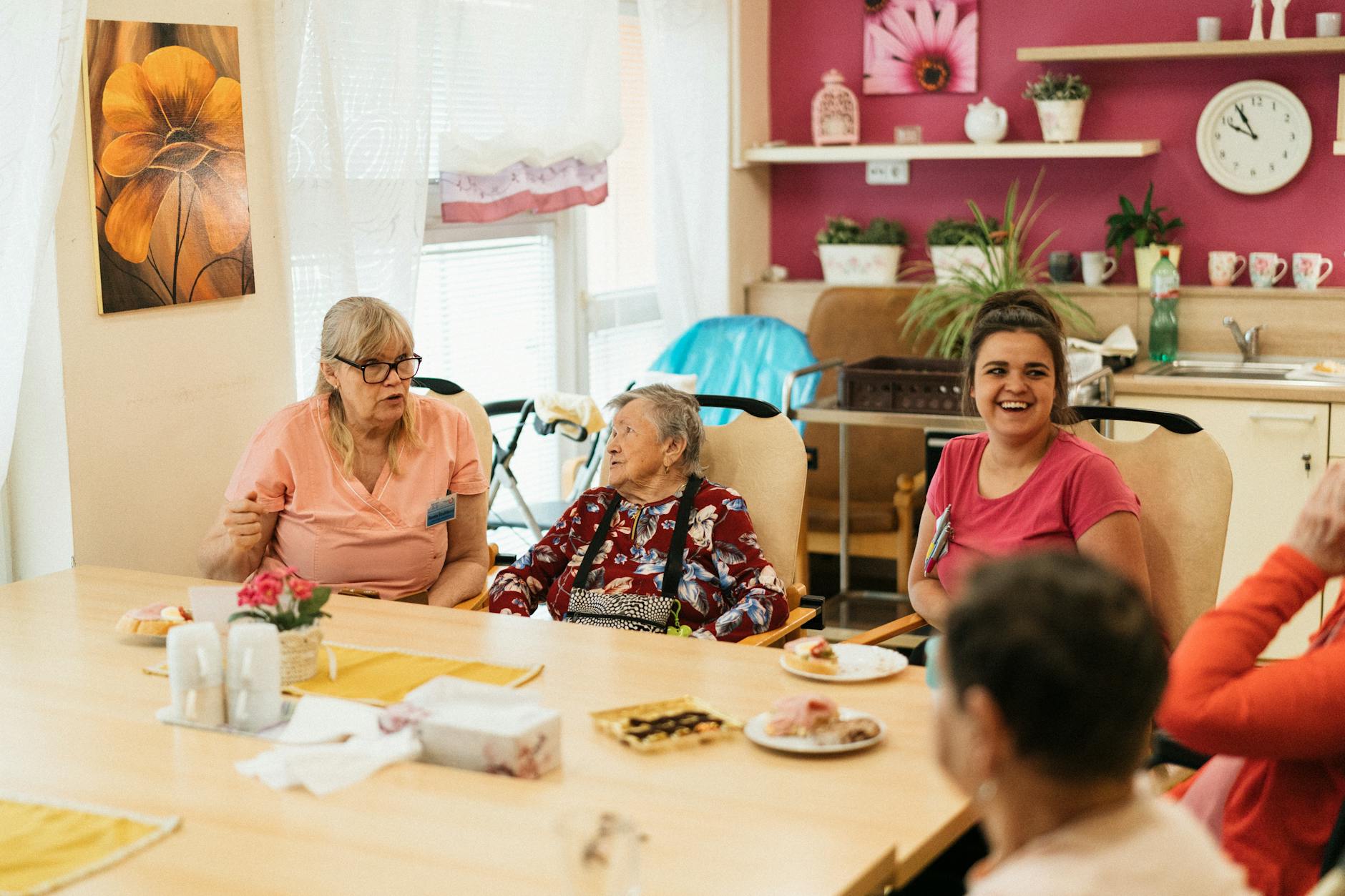
One pathway through which purpose may protect cognition is by maintaining social connections. People with a strong sense of purpose tend to stay more socially engaged, whether through their purposeful activities or through the relationships that develop around meaningful work. Social engagement itself is one of the most consistently protective factors against cognitive decline, with research suggesting it can reduce dementia risk by 26 percent—strikingly close to the purpose effect.
This overlap suggests that purpose and social connection may work together synergistically to protect the brain. Consider the case of James, a 71-year-old who found purpose in leading a community garden project. Through this work, he developed friendships with a dozen other volunteers, had regular cognitive demands from planning and problem-solving, experienced physical activity, and felt genuine meaning. The cognitive protection he gains isn’t just from the purpose itself but from the entire ecosystem of health-promoting behaviors that purpose motivated.
The Future of Purpose-Based Dementia Prevention
As the field of neuroscience advances, researchers are increasingly investigating how purpose, meaning, and other psychological factors can be harnessed for brain health. Future interventions may move beyond simply encouraging people to find purpose—which is good advice but often vague—toward more structured approaches to help people develop and sustain meaning throughout life stages where purpose naturally erodes. This might include counseling approaches, community programs designed around purpose, or workplace and educational initiatives that help people develop clearer senses of direction.
The research also opens doors to understanding why purpose has such a robust protective effect. As neuroimaging studies continue to map the brain networks associated with purpose and meaning-making, we may develop deeper insights into the biological pathways involved. This could eventually lead to complementary approaches that support the brain through both behavioral and, potentially, therapeutic strategies.
Conclusion
Maintaining a strong sense of purpose in life offers measurable protection against cognitive decline and dementia, with research showing approximately 28 percent lower risk for those with high versus low purpose. This protection emerges not from any single activity or belief system, but from the sustained engagement, emotional resilience, social connection, and meaningful direction that purpose provides. The finding is particularly encouraging because unlike genetic risk factors or early disease pathology, purpose is something within your control, something you can actively develop or redevelop at any stage of life.
If you’re concerned about cognitive health—your own or that of a loved one—examining your sense of purpose is as important as considering diet, exercise, and cognitive engagement. For those in dementia care, understanding the role of purpose can help guide conversations about meaningful activity, volunteer opportunities, and personal goals that extend far beyond cognitive exercise. The brain doesn’t age in isolation from meaning; it ages alongside it.
You Might Also Like
- How yoga Cuts Alzheimer’s Risk by Up to 48 Percent
- How wearing hearing aids Cuts Alzheimer’s Risk by Up to 18 Percent
- How wearing hearing aids Cuts Alzheimer’s Risk by Up to 18 Percent
For more, see Alzheimer’s Association — medical tests.