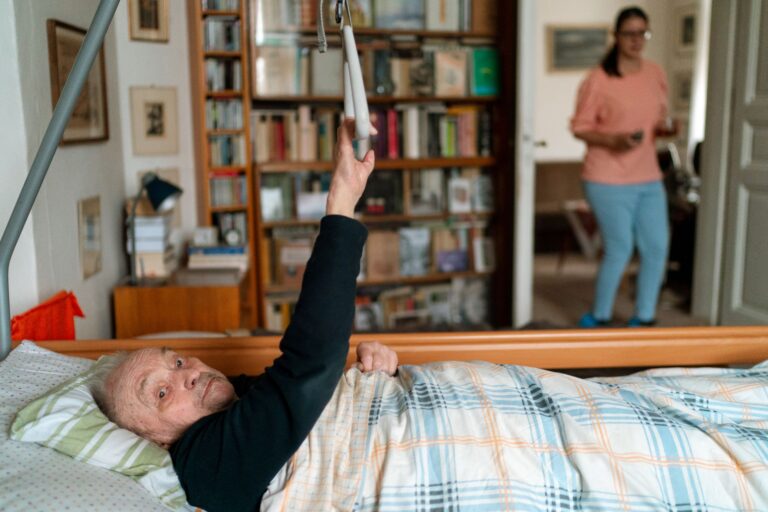
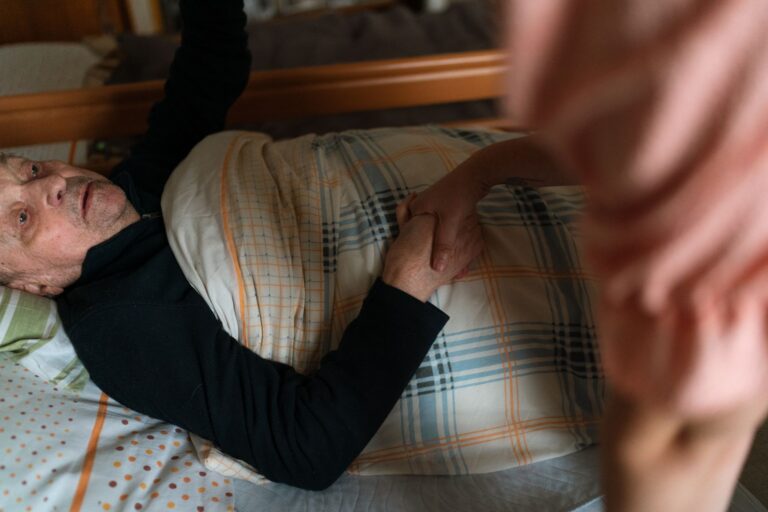
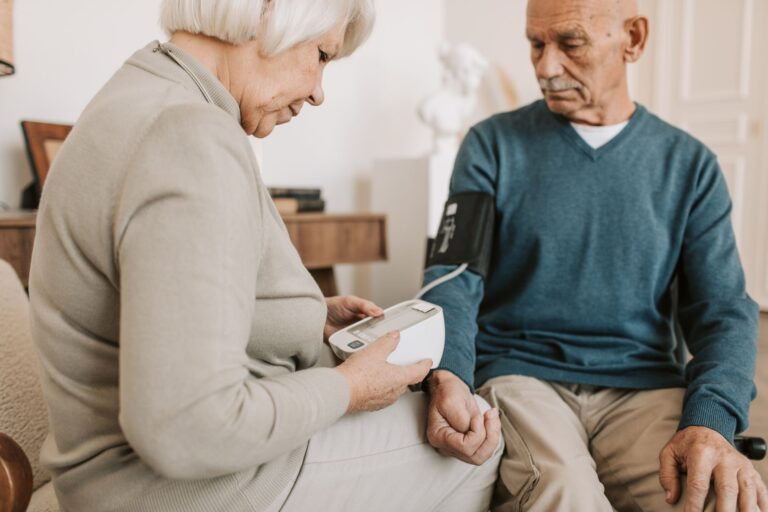
A community prom designed for seniors living with dementia and cognitive decline offers something often overlooked in elder care: a chance to experience joy, music, and celebration in an environment built for their needs rather than against them. These events recognize that people with advancing memory loss and confusion don’t stop deserving moments of beauty and belonging. A modified prom might last two hours instead of four, use softer lighting to reduce disorientation, keep the space smaller to prevent overwhelming crowds, and staff volunteers who understand how to redirect gently rather than correct sharply. The result is seniors dancing, laughing, and feeling like themselves—not patients in a room, but guests of honor.
These proms matter because they directly challenge how we structure social life around cognitive decline. Families often withdraw older adults from public events, assuming confusion or behavioral changes make gatherings impossible. Community proms prove otherwise. They’ve become a growing practice in care facilities, senior centers, and memory care units across the country, often organized by devoted staff members and volunteers who understand that engagement and dignity don’t pause when memory does.
Table of Contents
- What Makes a Senior Prom Different When Participants Have Memory Loss
- The Sensory and Emotional Landscape of Memory-Aware Events
- Social Connection and Identity in the Face of Decline
- Planning, Staffing, and the Reality of Resource Demands
- Behavioral Changes and the Unpredictability of Group Events
- The Role of Family and the Gift of Witnessing
- The Broader Shift Toward Dignity-Centered Dementia Care
- Frequently Asked Questions
What Makes a Senior Prom Different When Participants Have Memory Loss
The physical design of a cognitive-friendly prom differs fundamentally from a standard event. Venues are chosen for manageable size—a small ballroom rather than a gymnasium, a community center room rather than a hotel grand hall. Lighting stays warm and steady, avoiding strobes or sudden changes that can trigger confusion or agitation in people with dementia. Music plays at conversational volume rather than dance-club levels, recognizing that many seniors have hearing challenges and overwhelming noise can increase anxiety. Some events include quiet zones where attendees can step away, with staff available to help if someone becomes distressed.
The timeline reflects realistic attention spans. A two-hour prom, with a break midway, works better than traditional events. Invitations go to a curated guest list—residents of the facility or program participants—so attendees aren’t surrounded by strangers. Volunteers outnumber guests, ensuring that if someone becomes disoriented or needs assistance, help is present without feeling intrusive. Transportation is arranged directly to and from home or facility. These modifications aren’t compromises; they’re the actual design of the event.
The Sensory and Emotional Landscape of Memory-Aware Events
People with moderate to advanced dementia often struggle with sensory processing. A typical prom—with its cacophony of music, the press of strangers, the demand to remember new faces and make conversation—can push them toward withdrawal or agitation. A memory-aware prom reduces this cognitive load. Familiar staff members are present, often wearing name badges with their photos. Decorations are simple enough to recognize without excessive visual stimulation. Some events include a memory table with old prom photos or music from decades past, which can trigger recognition and conversation even when short-term memory is severely affected.
One limitation of these events is that they depend heavily on caregiver and staff capacity. A prom requires thoughtful planning, trained volunteers, and ongoing attention during the event itself. Smaller programs or under-resourced facilities may not have the bandwidth to create these experiences. Additionally, not every person with cognitive decline will benefit equally. Someone in early stages of memory loss might engage fully, while someone in advanced dementia might be overwhelmed even in an optimized environment. Families need realistic expectations about what their loved one will experience and remember afterward—which may be nothing, and that’s medically normal, not a failure of the event.
Social Connection and Identity in the Face of Decline
One of the deepest impacts of cognitive decline is the loss of social identity. A person who has been a dancer, a party-goer, a social fixture can feel erased by the isolation that often comes with dementia. A community prom restores that identity, if only for an evening. A man with advanced Alzheimer’s who cannot remember his own children’s names might light up when a familiar song plays and his body remembers how to dance. A woman who’s been quiet and withdrawn in her facility might smile and engage when seated at a decorated table with familiar faces around her.
These moments matter in ways that don’t always show up in clinical assessments. They don’t improve cognitive function or slow decline. But they can temporarily restore a person’s sense of self and their capacity for pleasure. Family members report that seeing their loved one smile and dance—truly present, even if they won’t remember it—gives them emotional permission to let go of the idea that meaningful moments only count if they’re remembered. The social connection itself becomes the point, not the retention of it.
Planning, Staffing, and the Reality of Resource Demands
Organizing a successful senior prom requires months of planning and coordination. Someone needs to secure a venue, arrange decorations, organize volunteers, plan transportation, and brief staff on the specific needs of attendees. A facility with 60 residents living with dementia might need 15 to 20 volunteers to ensure adequate support and supervision. That’s a significant commitment. Some proms are funded by community donations, grants, or the facility’s activity budget; others rely entirely on volunteer effort. The result is that these events are often clustered in well-funded facilities or areas with strong volunteer networks.
Rural areas or under-resourced settings may have no access to this experience. The staffing model also needs specialized knowledge. Volunteers need basic training on dementia behavior, de-escalation, and how to respond if someone becomes upset or confused. Some facilities partner with local colleges, retirement associations, or nonprofit organizations that have existing volunteer infrastructure. Others build it from scratch, relying on family members and community members who care enough to show up. This patchwork approach means quality and availability vary widely. A prom organized by a well-staffed memory care unit might be a beautifully executed event; the same concept attempted in a smaller assisted living facility might struggle simply because the human resources aren’t there.
Behavioral Changes and the Unpredictability of Group Events
Even with perfect planning, group events carry inherent risks for people with cognitive decline. Someone may become agitated by the change in routine or the unfamiliar environment, despite staff presence. A person who is non-verbal might express distress through behavior—refusing to move, becoming tearful, or showing signs of physical agitation. Another attendee might wander, requiring constant redirection. Some behavioral changes are manageable; others indicate that the event itself has become too stressful, and the person might be better served staying in familiar surroundings.
There’s also the question of consent and autonomy. Can someone with advanced dementia truly consent to attend a prom? Care ethics here gets complicated. Many facilities interpret their duty to include offering opportunities for joy and social engagement, interpreting absence of active refusal as a form of agreement. But this requires ongoing assessment during the event. If someone is clearly distressed, a good program will remove them from the situation rather than push through. The goal is never to force participation; it’s to make participation possible for those who can benefit.
The Role of Family and the Gift of Witnessing
For family members of someone with dementia, attending a community prom can be unexpectedly moving. Many families have gradually reduced their engagement in social situations because they’re unsure how to manage behavioral changes or worried about embarrassing their loved one. A prom that handles these logistics removes that barrier. A daughter might see her father dance with volunteers, something he hasn’t done in months. A spouse might watch their partner smile at music, a sign of joy they’ve been missing.
Family members report that these events remind them of who their loved one was and still is, underneath the cognitive decline. At the same time, the event can highlight loss. The parent or partner won’t remember the evening. They may not recognize family members who attend. This can be hard. But many family members find value in bearing witness—in being present for a moment of their loved one’s dignity and joy, even if that joy is fleeting and unremembered.
The Broader Shift Toward Dignity-Centered Dementia Care
Community proms for seniors with cognitive decline represent a philosophical shift in how caregiving communities view people with dementia. Rather than managing decline as primarily a medical problem requiring isolation and control, this approach recognizes that people living with memory loss still have capacity for emotion, connection, and pleasure. They deserve experiences that honor who they are, not just what they’ve lost. That shift has ripple effects beyond a single evening.
Facilities that invest in creating one modified prom often expand programming with other adapted events—smaller group outings, quiet social hours, music therapy sessions, gardening activities scaled to different ability levels. The events also educate. Volunteers and staff who help organize and attend learn how people with dementia actually function in social settings—that they can navigate adapted environments, that they respond to music and beauty, that they’re capable of more engagement than institutional routines typically allow. That learning can change how an entire facility approaches daily activities. The prom becomes not just an event, but a proof of concept that engagement is possible, and worth the effort to create.
Frequently Asked Questions
Will my loved one remember attending the prom?
Probably not, especially in advanced stages of dementia. Memory loss means the event itself may not be retained. However, the emotional experience—feeling valued, hearing music, being part of a celebration—can have immediate positive effects on mood and wellbeing, even if the specific memory fades.
How do I find out if a community prom is available where I live?
Check with your loved one’s memory care facility, assisted living community, or senior center directly. Ask about adaptive events. Some areas have prom programs organized by dementia care nonprofits or volunteer networks. Facilities in under-resourced areas may not have access, but showing interest can sometimes prompt them to explore options.
Is a community prom appropriate for someone in advanced stages of dementia?
It depends on the individual and the specific event design. People in advanced stages may have limited awareness of their surroundings and may become overwhelmed. Honest assessment with care staff is important. Some will benefit; others might be more comfortable in quieter, more familiar settings.
What happens if my loved one becomes upset or agitated at the event?
Well-trained programs have plans for this. Staff should be able to remove the person to a quiet space, offer comfort, and potentially transition them back home if they’re genuinely distressed. The goal is never to force participation if it’s causing distress.
Can family members attend with their loved one?
Most programs allow and encourage family attendance. Some families find it meaningful to witness the event and support their loved one. Others prefer to let staff handle it. Ask the organizers about their specific policies and how they’ve structured family involvement.
What does it cost to attend a community prom?
Many are free or low-cost for residents of participating facilities. Community-based events may require a small donation or nominal fee. Some are funded by grants or donations. Ask organizers about costs and whether financial barriers exist.