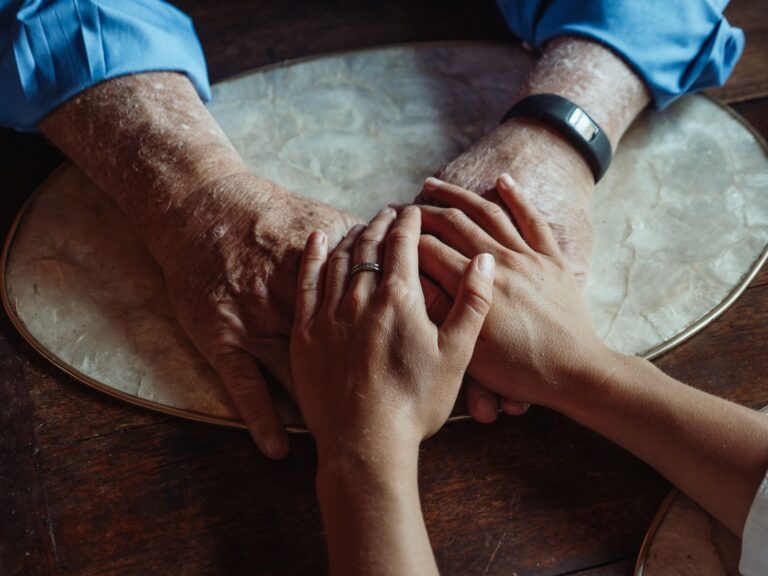
Families preserve children's drawings by collecting, archiving, and organizing them into accessible memory materials before or after a loved one receives a dementia diagnosis. These preserved drawings become reminiscence therapy tools—visual triggers that help people with dementia access autobiographical memories, improve mood, and maintain connection to their identity and family relationships.
Preserved artwork is not a prevention strategy that stops memory loss. Instead, it creates a resource that supports people with existing dementia to process and express remaining memories through guided activities and everyday moments of recognition. The urgency to gather and preserve family keepsakes often grows when families realize a loved one is entering dementia stages.
Medical information disclaimer: This article is for general educational purposes only and does not provide medical advice, diagnosis, or treatment. Always consult a physician or other qualified health professional about symptoms, medications, tests, or treatment decisions.
Table of Contents
- Why Children's Drawings Matter in Dementia Care
- Practical Steps for Preserving Children's Artwork
- Using Preserved Drawings in Memory Activities
- Guided Programs Using Art and Memory Materials
- What Preserved Drawings Can and Cannot Do
- Frequently Asked Questions
Why Children's Drawings Matter in Dementia Care
Children's artwork holds particular weight in reminiscence therapy because it connects to foundational life phases—parenting and family-building—that often remain emotionally accessible even as other memories fade. Art objects function as reminiscence therapy tools by activating autobiographical memories and improving mood, according to caregiving research, providing a "tool for identity formation and communication" that helps connect past identity with present awareness.
Visual memory materials serve immediate, practical purposes in daily care. Photographs and visual artwork can lift mood and redirect individuals experiencing dementia-related distress, functioning as both identity reinforcement and quick emotional support in caregiving moments.
Practical Steps for Preserving Children's Artwork
families can preserve drawings through multiple methods tailored to their resources and preferences: Starting this process early—while a person can still contribute memories and context—makes materials richer. However, gathering materials after diagnosis is still valuable for creating support resources.
- **Photograph originals** in good lighting and store digital copies on external drives, cloud storage, or both for redundancy
- **Create a binder or album** with printed copies organized chronologically or by child, adding dates and context labels
- **Scan at high resolution** if originals may degrade, creating archival-quality digital backups
- **Store originals** in acid-free folders in a cool, dry location to prevent deterioration
- **Gather related keepsakes**—family recipes, letters, photo albums—that activate similar memory pathways
Using Preserved Drawings in Memory Activities
Preserved artwork becomes most powerful when integrated into structured or everyday reminiscence activities. Family participation in art activities with dementia patients strengthens bonds and creates lasting memories together, extending therapeutic benefits to caregivers as well.
Simple activities with preserved drawings include looking through albums during visits, discussing memories triggered by specific pieces, or inviting the person with dementia to create new artwork alongside images of their children's past work. These moments create connection points between caregiver and patient without requiring professional intervention. Research on archival-based reminiscence therapy showed activation of autobiographical memories, improved social interactions, and enhanced emotional resonance through multisensory engagement, according to a 2024–2025 pilot study.
Guided Programs Using Art and Memory Materials
Families do not need to improvise alone. The "Memories in the Making" program, developed in 1988 by the Alzheimer's Association Orange County Chapter, provides meaningful activity through art-making and is documented as effective across all disease stages for preserving autonomy and relationships.
This model combines viewing artwork, discussing memories, and creating new art in a structured supportive environment. Professional and community programs often integrate family keepsakes and personal artwork into sessions. Asking a memory care facility, senior center, or local Alzheimer's Association chapter whether they offer art-based reminiscence activities can connect families to resources already aligned with these principles.
What Preserved Drawings Can and Cannot Do
Art therapy is a supportive intervention, not a prevention tool. It does not stop memory loss or reverse dementia progression. Its value lies in helping people with existing dementia access, express, and emotionally process remaining autobiographical memories through visual triggers and creative activity.
Preserved drawings work best when the person with dementia still has some capacity to recognize and respond to images—typically in early to mid stages of disease. As dementia advances, visual engagement may shift. The goal of preservation and use is not to restore lost memory but to create moments of recognition, connection, and emotional comfort for both the person with dementia and their family.
Frequently Asked Questions
Is preserving and viewing artwork a dementia prevention strategy?
No. Preserved artwork is a supportive tool for people with existing dementia to access and express remaining memories. It does not prevent or reverse memory loss.
When should families start preserving children's artwork?
Starting early allows the person to contribute memories and context. However, gathering materials after diagnosis is still valuable for creating memory-support resources during care.
Do professionals need to lead reminiscence activities with preserved artwork?
No. Caregivers can independently view albums, discuss memories, and invite creative activity with the person with dementia. Professional programs and community art-therapy groups offer additional structure and guidance if needed.