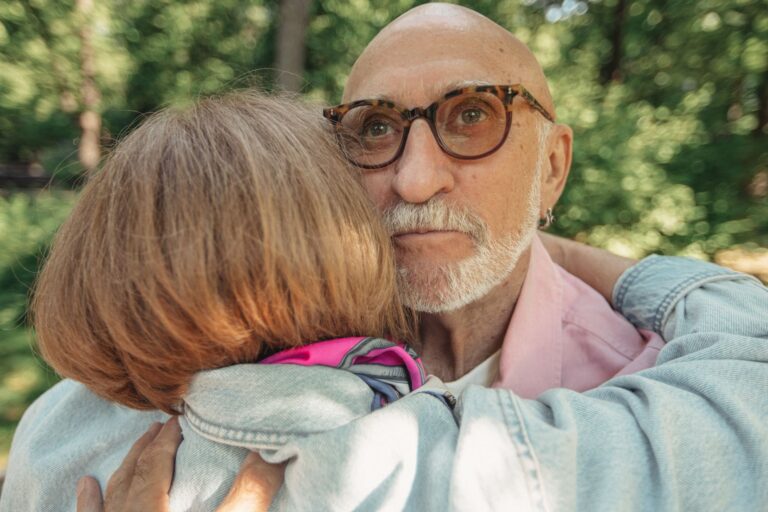
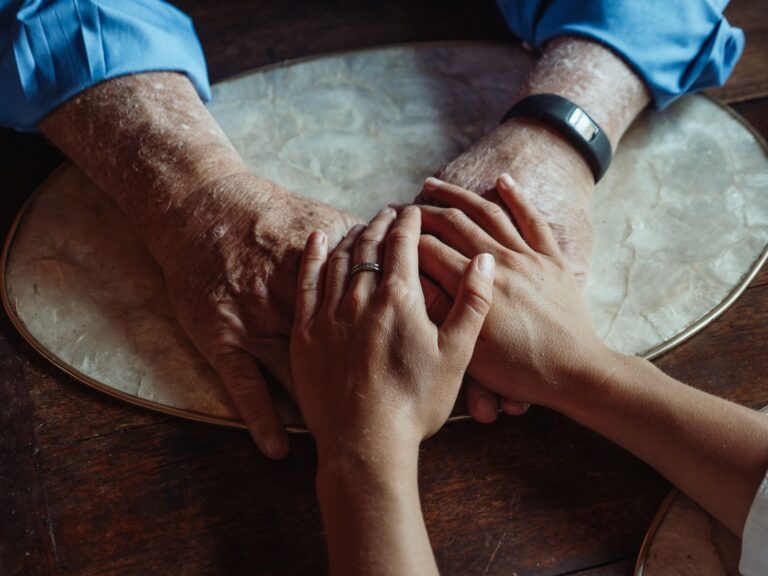
Families preserve school certificates and awards before Alzheimer's disease erodes memory by gathering these documents into "life story work"—digitizing certificates into memory books, creating physical albums with large-font captions and photographs, and organizing achievements with dates and descriptions while a person's recall is still sharp. Autobiographical memory decline in Alzheimer's disease leads to impaired sense of self and loss of knowledge about events and facts that defined patients' lives, according to an NIH systematic review, making a person's achievements central to how they understand who they are.
The window to act is wider than many realize. Memory loss can be detectable up to three decades before diagnosis; mild cognitive difficulties can occur up to eight years before clinical diagnosis, according to National Institute on Aging statistical modeling. This urgency—and the proven emotional and cognitive benefits of preserved records—makes early preservation both practical and protective for the person who may later need external reminders of their own identity.
Medical information disclaimer: This article is for general educational purposes only and does not provide medical advice, diagnosis, or treatment. Always consult a physician or other qualified health professional about symptoms, medications, tests, or treatment decisions.
Table of Contents
- Why School Certificates and Awards Matter in Dementia Care
- What to Preserve and Three Methods to Do It
- How Preserved Records Actually Help
- Practical Steps to Begin This Week
- Using Preserved Records After Diagnosis
- Frequently Asked Questions
Why School Certificates and Awards Matter in Dementia Care
School certificates, degrees, awards, and academic honors are not mere paperwork. They anchor identity at a deep level. Despite severe cognitive decline, a sense of self can survive in people with mild-to-moderate Alzheimer's, and patients can retrieve some self-defining memories that contribute to identity, according to Cambridge Core research on aging and society.
When someone says "I graduated from X" or "I won the scholarship," they are not reciting facts—they are claiming a core part of who they are. As memory fades, these external records become critical. Family members and caregivers play an important role in reminding, constructing, and re-editing past biographies of people with dementia; preserving certificates and awards enables families to serve as external memory and identity maintainers during cognitive decline, according to the National Institute for Health Research. A digitized transcript, a framed diploma, or a memory book page with a photo becomes a bridge between the person someone was and who they are becoming.
What to Preserve and Three Methods to Do It
Start by gathering the tangible and digital record: diplomas, certificates, award plaques, honor roll notifications, academic letters, photographs from graduation days, and any written recognition. life story work—recording key identity elements including photographs, letters, objects, wall art, music playlists, and personal achievement memorabilia—serves as reminiscence therapy and enables caregivers to connect with patients' sense of self, according to the National Institute for Health Research. Families can preserve these items using three primary approaches: Families can digitize certificates into life story videos, create physical memory books using nonacidic adhesives and large-font captions, organize photographs with dates and descriptions, or compile personal achievement records with supporting documentation and context, according to an NIH systematic review.
- **Digitize into a memory book or video.** Scan certificates and photographs at high resolution (300 DPI minimum). Layer them into a digital album or short video with captions, dates, and 1–3 sentence descriptions of what each achievement meant.
- **Create a physical memory album using archival materials.** Use acid-free adhesive, archival paper, and large-print labels to paste certificates and photos in chronological order. Avoid regular tape or glue, which degrades over decades.
- **Organize a personal achievement record.** Create a simple folder or binder with copies of certificates, transcripts, award letters, and a one-page summary of major milestones with dates and context.
How Preserved Records Actually Help
The evidence for the emotional and cognitive benefit is robust. Life story book interventions enhanced communication between persons with dementia, relatives, and care staff in 6 of 7 peer-reviewed studies; reminiscence therapy improved cognition, reduced depression, and improved quality of life over 12+ weeks of weekly sessions, according to a Cochrane systematic review.
This is not sentiment—it is measurable improvement in how people engage, feel, and relate to those around them. Memory books and tangible objects (school certificates, photos, awards) trigger powerful emotional responses and reduce behavioral symptoms; nostalgia significantly increased self-esteem, social connectedness, meaning in life, and optimism in dementia patients compared to control conditions, according to a 2024 peer-reviewed study in Sage Journals. A resident who sees a framed diploma, or a family member who shares a photo from graduation day and reads aloud the context, is not simply reminiscing—they are rebuilding connection and emotional stability in the present.
Practical Steps to Begin This Week
Start small and specific. Pull together one category first—either school awards or graduation photos—and decide on one preservation method (digital, physical album, or documented record). If someone is still able to narrate their own achievements, ask them to record their voice explaining what each certificate meant, why the award was important, or what the achievement cost them. This adds irreplaceable context.
Create labels and captions immediately. Write the date, the name of the award, the school or organization, and a sentence about why it mattered: "Sarah's high school scholarship, 1985—earned after two years of evening study while working at the hospital." This simple step transforms a document into a memory trigger. Store digital copies in at least two locations (cloud backup plus an external drive) and keep one physical print-quality copy in your home. Nearly 42% of Americans over 55 may develop dementia by 2060, according to a 2024 National Institute on Aging report. The scale of dementia means this work will matter for millions of families in the coming years—and preparing now ensures you have these records when you need them most.
Using Preserved Records After Diagnosis
Once someone is diagnosed with mild cognitive impairment or mild dementia, these preserved records move from archive to active tool. Bring the memory book to care appointments, clinical visits, or therapy sessions. Staff can use it to connect meaningfully with your family member.
When behavior becomes difficult—agitation, withdrawal, or confusion—a memory book or a framed certificate can redirect attention and emotion. The Alzheimer's Association "Storykeepers" program and Family Caregiver Alliance's Innovations in Alzheimer's Caregiving Awards recognize memory preservation practices, and these organizations provide resources and templates. Many dementia care facilities now integrate life story work into daily care routines, meaning your preserved certificates and photos can shape how staff understand and connect with your family member across the years of decline ahead.
Frequently Asked Questions
If someone is already showing mild memory problems, is it too late to preserve these records?
No. Mild cognitive impairment can persist for up to eight years before diagnosis, and many people remain able to narrate and explain their achievements in this window. Start now.
What if we have original certificates but no photos?
Photograph or scan the certificates at high resolution, then add context through writing. A certificate of achievement plus a sentence like "Won this for perfect attendance in tenth grade, 1992" is enough to anchor meaning.
How do we use these records if someone has advanced dementia and no longer understands them?
Care staff and family members use them during daily interactions. A photograph from graduation can trigger an emotional response and create a moment of connection, even if the person cannot recall the specific event. This is reminiscence therapy.