Stock market sits at the center of this dementia and brain health question.
On Monday, March 23, 2026, the stock market experienced a dramatic reversal that illustrates the outsized influence geopolitical events can have on your investments and retirement savings. After morning losses driven by skyrocketing oil prices and fears of economic recession, the Dow Jones jumped 631 points (1.38%) to close at 46,208.47—a sharp recovery triggered by President Trump’s announcement of “productive talks” between the United States and Iran. The S&P 500 rose 1.15% to 6,581, while the Nasdaq Composite gained 1.38% to settle at 21,946.76, all within hours of a single social media post. This article examines what caused the initial drop, why a political announcement triggered such a powerful rebound, and what this volatility means for investors concerned about protecting their wealth during uncertain times.
Table of Contents
- What Sent Markets Down Before the Announcement?
- How a Single Post Reversed the Market’s Direction
- Why Oil Prices Fell Sharply When Conflict Resolution Looked Possible
- Understanding Why Markets React Instantly to Political Developments
- The Danger of Conflicting Signals and Political Claims
- How Geopolitical Crises Reshape Market Leadership
- Looking Forward—Geopolitical Volatility as the New Normal
- Conclusion
What Sent Markets Down Before the Announcement?
Markets opened weak on March 23 because crude oil prices had been climbing sharply due to escalating tensions in the Middle East. Brent crude had surged to levels that threatened global energy supplies, while U.S. crude followed suit, raising production costs for everything from transportation to manufacturing. When oil prices spike, companies across the economy face higher expenses, profit margins shrink, and investors worry about a potential recession—a combination that typically sends stock prices lower.
For older Americans depending on dividend income or balanced portfolios, this kind of sell-off can be particularly stressful because bonds often fall alongside stocks during geopolitical crises, leaving fewer safe havens. The real concern wasn’t just one day of losses. Markets had been under sustained pressure for weeks as the iran conflict threatened to drag on indefinitely, potentially keeping energy costs elevated and dampening consumer spending and business investment. Investors were genuinely afraid that what started as a regional conflict could metastasize into a prolonged economic headwind.
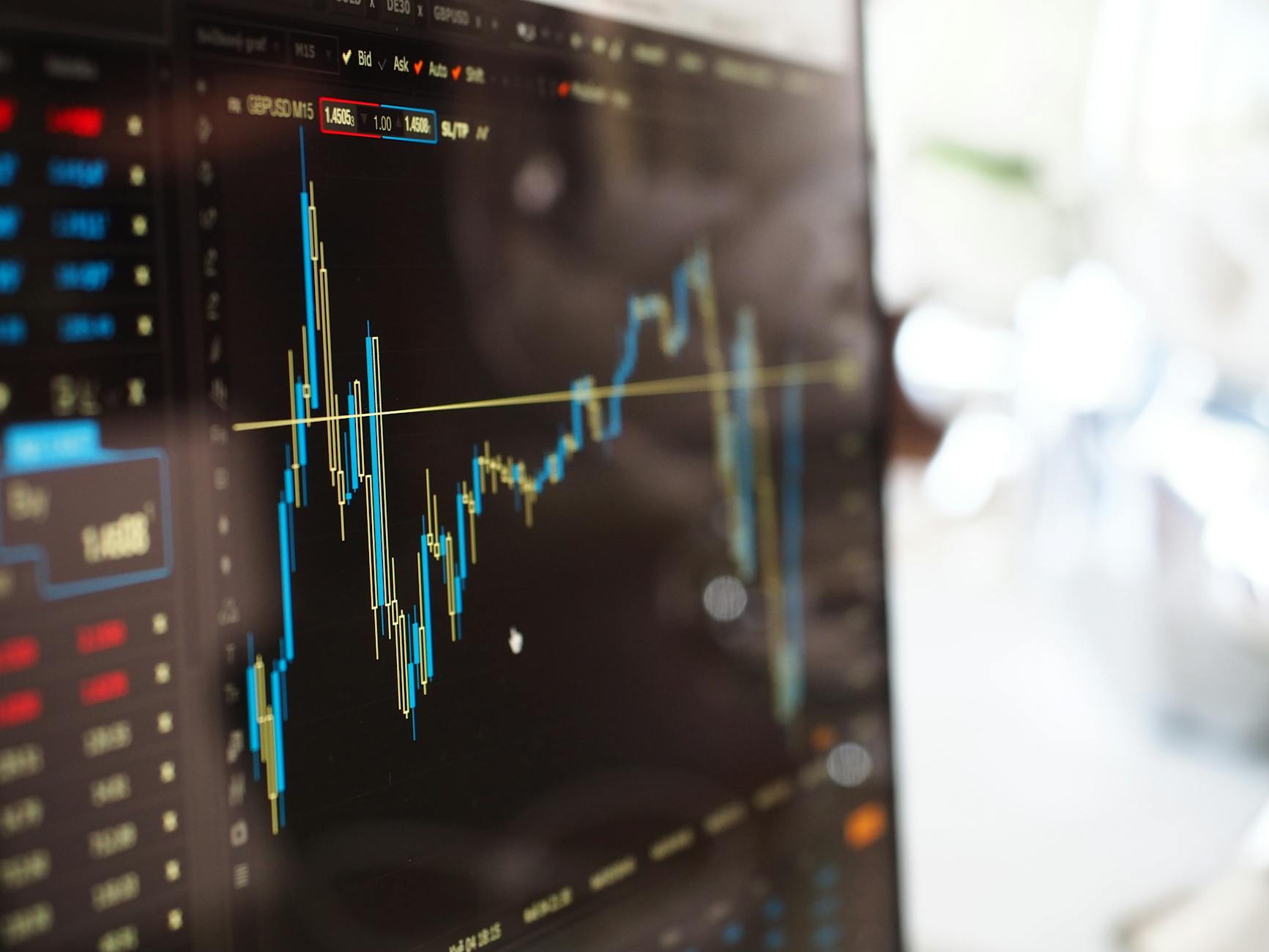
How a Single Post Reversed the Market’s Direction
At the moment when despair was deepening, trump posted on Truth Social that the U.S. and Iran had been having “productive talks” and that he was postponing planned strikes on Iranian power plants and energy infrastructure. This announcement hit markets like a circuit breaker flipped the other way. Dow futures surged over 1,000 points almost immediately, and the S&P 500 climbed as much as 1.7% in afternoon trading before settling at slightly more modest gains by the close.
The reason for such an explosive reaction is straightforward: if direct military action was being postponed, investors bet that an outright war could be avoided, which meant oil prices wouldn’t continue climbing toward $150 or higher. However, the market’s optimism was complicated by uncertainty. The Iranian Foreign Ministry’s spokesman, Esmaeil Baghaei, flatly denied that direct negotiations were happening, stating “Iran has held no negotiations with the United States.” Yet The Wall Street Journal reported that the U.S. had engaged in closed-door discussions with Iran through Middle Eastern intermediaries, suggesting talks were ongoing even if not direct. This contradiction created doubt that persisted even as stocks rallied.
Why Oil Prices Fell Sharply When Conflict Resolution Looked Possible
Crude oil is perhaps the single most important commodity driving global economic sentiment. When traders believe a war will end, they immediately mark down the probability of supply disruptions, and prices reflect that shift. On March 23, Brent crude fell 10.92% to settle at $99.94 per barrel—the first close below $100 since March 11—while U.S. crude sank 10.28% to $88.13 per barrel.
Earlier in the trading day, before Iran’s denial of talks, Brent had dropped over 14%, suggesting that at one point, markets believed the conflict’s resolution was assured. This oil price collapse was crucial because it immediately eased the recession fears that had been hammering stocks. Lower energy costs reduce inflation, boost profit margins for airlines and trucking companies, and improve consumer purchasing power. For retirees on fixed incomes, lower oil prices also mean lower heating costs in winter and lower gasoline prices—direct relief to household budgets.

Understanding Why Markets React Instantly to Political Developments
Markets don’t wait for facts to be confirmed or for independent verification of claims. Instead, they move on probability and sentiment. When an announcement suggests the probability of a negative event has dropped, investors immediately reprice stocks based on that new probability.
Artificial intelligence and algorithmic trading have accelerated this process dramatically; computer programs can detect and act on news within milliseconds, which is why you often see market moves happen in the first minutes after a major announcement rather than gradually throughout the day. This creates a tradeoff worth understanding: rapid price discovery means information gets reflected in markets quickly, which is generally efficient. However, it also means markets can overshoot in either direction—becoming too pessimistic or too optimistic based on incomplete information. On March 23, the market was enthusiastically pricing in the end of the conflict based largely on hope rather than confirmed fact, which is why the Iranian denial later created volatility and uncertainty.
The Danger of Conflicting Signals and Political Claims
One critical lesson from this episode is that political announcements often contain inherent contradictions that markets struggle to resolve. Trump claimed productive negotiations; Iran denied they existed. The Wall Street Journal offered a third version—that talks were happening through intermediaries but not directly. Which version was true? Investors had to make decisions without clear answers.
This ambiguity extended the uncertainty that markets had initially hoped to resolve. This matters because conflicting signals can lead to whipsaw trading, where investors first buy on optimism, then sell on doubt, then buy again as new information emerges. If you’re a retiree who panicked and sold stocks during the morning decline, you may have been forced to buy back in at higher afternoon prices, crystallizing losses. The deeper lesson is that markets sometimes react to political theater and wishful thinking as much as to hard facts, which is why diversification and avoiding emotional trading decisions remain essential.

How Geopolitical Crises Reshape Market Leadership
During periods of conflict and elevated oil prices, different stocks perform dramatically differently. Energy companies and defense contractors typically rally, while travel companies, airlines, and restaurants suffer because consumers cut spending. On March 23, the broad market gains masked significant shifts in which sectors investors favored.
As conflict fears eased, traders likely rotated away from energy and defense stocks toward consumer discretionary and technology—a rebalancing that can feel disorienting if your portfolio is heavily weighted toward one sector. For investors nearing retirement or already retired, these sector rotations matter less than overall portfolio performance, but they do create opportunities to rebalance. If you held energy stocks as a hedge against inflation, the March 23 recovery might have been the right moment to trim those positions and redeploy into dividend-paying consumer companies or utilities.
Looking Forward—Geopolitical Volatility as the New Normal
The March 2026 episode highlights a permanent feature of modern markets: geopolitical events that seemed unthinkable a generation ago now swing stock prices several percent in a single day. Climate stress, supply chain fragility, and regional conflicts are likely to keep volatility elevated compared to the 2010s, when central banks seemed to have markets under tight control. This doesn’t mean stocks are a bad investment, but it does mean you need resilience and a long-term perspective.
As we head into the second half of 2026, investors should expect more of these shocks. The Iran situation remains unresolved despite the March optimism, and other geopolitical flash points continue to simmer. The best defense isn’t trying to predict which way stocks will move next, but building a diversified portfolio you can hold through volatility without panic selling.
Conclusion
The stock market’s 1% drop and recovery on March 23, 2026, in response to Iran peace rumors demonstrates how modern financial markets translate political developments into price changes within minutes. An initial collapse driven by recession fears and soaring oil prices reversed sharply when a single announcement suggested military action might be postponed, showing that markets price in probabilities rather than certainties. However, the subsequent contradiction from Iran’s Foreign Ministry illustrates the danger of building optimistic positions on incomplete information.
For anyone managing retirement savings or trying to understand why their investment statements show wild swings, the key takeaway is that geopolitical volatility is likely to remain a feature of markets for years to come. The best response isn’t to time the market or panic, but to maintain a diversified portfolio appropriate for your time horizon, resist the urge to sell during panics, and remember that conflicts resolve, oil prices normalize, and markets recover. Staying informed about what’s driving volatility helps you avoid emotional decisions during the inevitable next crisis.
You Might Also Like
- How Did Iran Fire New Missile Barrages at Israel Right After Trump Claimed Progress on Talks?
- How Did Over 82,000 Civilian Buildings in Iran Get Damaged or Destroyed in 25 Days?
- How Did Bahrain Intercept 153 Missiles and 301 Drones Since the Iran War Started?
For more, see NIH MedlinePlus — dementia.