For most families, adult day care is the cheaper option per hour of supervised dementia care, while home care is the flexible one that can stretch to nights, weekends, and 24/7 coverage. Adult day centers run a national median of $100 a day per the 2024 Genworth/CareScout survey, while a home health aide runs about $34 an hour — so roughly three hours at home costs the same as a full day at a center. The right choice depends on how many hours you need covered, when you need them, and how you plan to pay. This guide compares the two on cost, hours, and the relief each gives an unpaid caregiver.
Medical information disclaimer: This article is for general educational purposes only and does not provide medical advice, diagnosis, or treatment. Always consult a physician or other qualified health professional about symptoms, medications, tests, or treatment decisions.
Table of Contents
- What each option actually provides
- Cost compared, hour for hour
- Hours and coverage — when can each help?
- Which gives a caregiver more relief?
- How will you pay?
- Frequently Asked Questions
What each option actually provides
An adult day center is a place your family member goes during the day. The Alzheimer's Association describes adult day centers as offering daytime supervision, social activities, meals, and often health services in a safe setting. The trade-off is clear: it gives caregivers a break but does not provide 24/7 care. Home care brings a paid aide to your door instead.
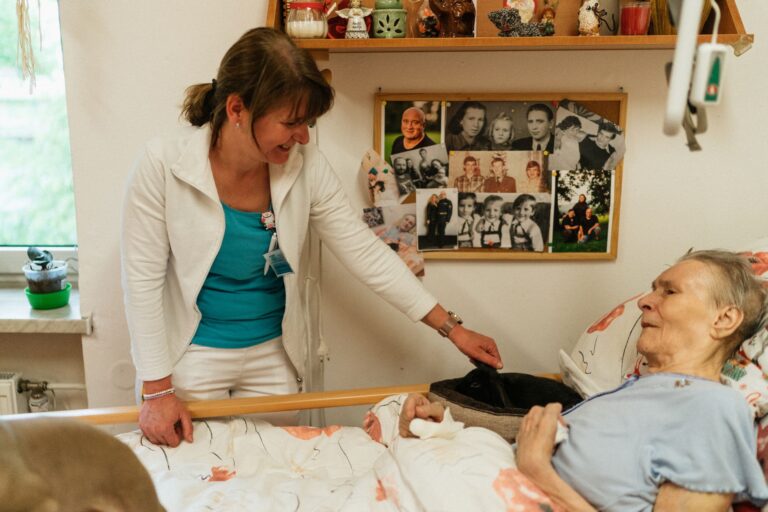
A home health aide can assist with bathing, medication reminders, and basic health tasks, while a homemaker focuses on cooking, cleaning, and errands. Hours are arranged individually, so care can cover a few morning hours or run around the clock. The core difference is setting and social contact. A center offers structured group activity that many people with dementia benefit from; home care offers one-on-one attention in a familiar environment, which can matter for someone easily disoriented by new places.
Cost compared, hour for hour
On price per supervised hour, the day center usually wins. The 2024 Genworth/CareScout Cost of Care Survey puts the national median at $100 a day for adult day care — about $2,167 a month — versus $34 an hour for a home health aide and $33 an hour for homemaker services. Do the math on a full day. Six hours of home care at $34 runs about $204, roughly double a day-center session that may last just as long.
Around three hours of home care equals the cost of a full center day. But home care scales with need, and heavy use gets expensive fast. The same survey pegs the annual median for a home health aide at $77,792. If your family member needs steady daytime supervision five days a week, a center is often the more economical route; if you need short, targeted help, home care can be cheaper.
Hours and coverage — when can each help?
Timing often decides the question. Adult day programs generally run business hours. Where Medicaid pays, coverage typically caps around 8 hours a day, 5 days a week per PayingForSeniorCare, which fits a weekday work schedule but not nights or weekends.
Home care has no fixed schedule. You set the hours, so an aide can arrive at 6 a.m., cover an overnight shift, or stay 24/7 as the disease progresses and wandering or sundowning make constant supervision necessary. A practical read:.
- Need weekday daytime coverage while you work? A day center usually costs less.
- Need evenings, weekends, or overnight help? Home care is often the only option that covers those hours.
- Need round-the-clock supervision? Home care can provide it, but the cost climbs steeply.
Which gives a caregiver more relief?
Both are forms of respite — planned time off from caregiving. The National Institute on Aging notes that respite lets caregivers rest, work, and run errands, and that reducing caregiving tasks lowers stress and health risks. That relief is not a luxury; caregiver burnout raises real health risks.
A day center gives you a predictable, hours-long block to yourself, plus the social stimulation your family member may not get at home. The limit is rigidity: you work around the center's schedule and handle drop-off and pickup. Home care can relieve you at the exact hours you need, including the overnight stretches that wear caregivers down most. The limit is that having another person in your home is less of a true "getaway" than sending your family member out, and continuity depends on the same aide showing up reliably.
How will you pay?
Payment often narrows the decision before preference does. The NIA cautions that most private health insurance does not cover respite or adult day care; some long-term care insurance policies and state Medicaid HCBS waivers do, and Original Medicare generally does not cover custodial day or home care.
Medicaid is the most common public payer, but eligibility has rules. HCBS waivers that cover adult day care usually require a Nursing Facility Level of Care determination and vary by state, per PayingForSeniorCare; Aged, Blind and Disabled (ABD) Medicaid may cover it without that bar. Steps to check your options:.
- Ask your state Medicaid office whether an HCBS waiver covers adult day or home care, and whether a Nursing Facility Level of Care assessment is required.
- Read any long-term care insurance policy for respite and adult day benefits.
- Compare local rates against the national medians using the CareScout Cost of Care search tool, since prices vary widely by region.
Frequently Asked Questions
Can I combine adult day care and home care?
Yes. Many families use a day center for weekday coverage and add home care for evenings or weekends, matching each option to the hours it covers best.
Does Medicare pay for adult day care?
Generally no. Original Medicare does not cover custodial adult day or home care; Medicaid waivers or long-term care insurance are the more likely payers.
Is adult day care safe for someone with advanced dementia?
Centers provide supervision and often health services, but they are daytime-only and not built for 24/7 needs. Ask a specific center about its dementia experience and staffing.