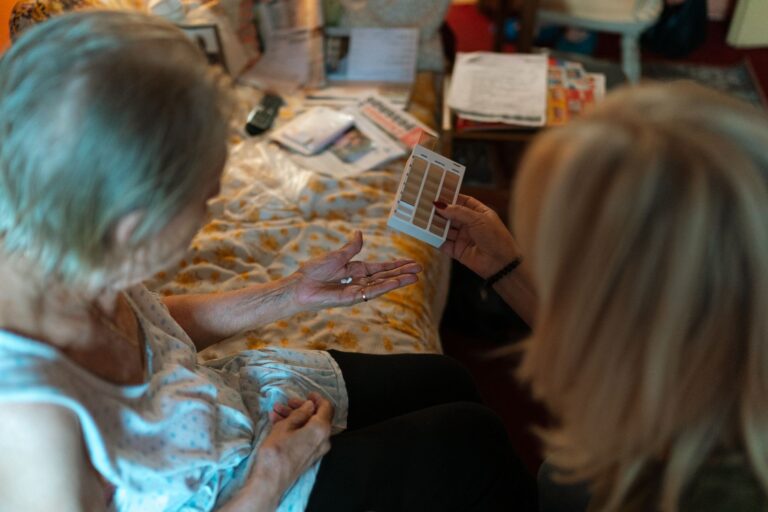
Yes, Medicaid covers dementia care, and for many families it is the main way to pay for it. It funds nursing-home memory care, some in-home and community services, and long-term custodial care that Medicare will not. Medicaid is a joint federal-state program for people with low income and limited assets. Because it is the largest public payer of long-term care, it reaches millions of families facing Alzheimer's and other dementias, but the rules on eligibility, waivers, and asset "spend-down" decide who actually qualifies.
Medical information disclaimer: This article is for general educational purposes only and does not provide medical advice, diagnosis, or treatment. Always consult a physician or other qualified health professional about symptoms, medications, tests, or treatment decisions.
Official resources:
- Medicaid.gov HCBS 1915(c) Waiver program & state authorities — Use this primary source to verify the official guidance.
- Read the official guidance from Medicaid — Use this primary source to verify the official guidance.
Table of Contents
- Which Medicaid programs pay for dementia care?
- Can Medicaid pay for care at home?
- Income and asset limits for 2026
- How spend-down and the look-back rule work
- Protecting the spouse who stays home
- Frequently Asked Questions
Which Medicaid programs pay for dementia care?
Three separate Medicaid programs serve people with dementia, according to Dementia Care Central: Nursing Home Medicaid, Home and Community-Based Services (HCBS) Waivers, and Aged, Blind and Disabled (ABD) Medicaid. Each covers a different care setting and follows different rules. Nursing Home Medicaid is the most reliable.
It is an entitlement, meaning every applicant who meets the financial and functional tests is guaranteed coverage. As Dementia Care Central explains, it pays for room, board, personal care, and memory-care services inside the facility. This matters because Medicare does not pay for long-term custodial dementia care — only limited skilled care. That gap makes Medicaid the primary payer for extended nursing-home and memory care.
Can Medicaid pay for care at home?
Often, yes, but through HCBS Waivers rather than standard Medicaid. These 1915(c) waivers let states cover community and in-home care for people who need a "Nursing Facility Level of Care" — a clinical standard showing the person needs the kind of help a nursing home provides. According to Medicaid.gov, 47 states and Washington, D.C. operate at least one such waiver.
Covered services can include personal care, adult day programs, respite for caregivers, and home modifications. There is a major catch. Unlike Nursing Home Medicaid, waivers are not an entitlement. Dementia Care Central notes they have limited enrollment slots and waitlists, and they generally do not pay for assisted-living or memory-care room and board — only the care services. Families still cover rent and meals at an assisted-living community.
Income and asset limits for 2026
Medicaid long-term care sets tight financial limits, and they vary widely by state. In most states in 2026, the countable-asset limit is $2,000 for an individual, and the long-term-care income limit is $2,982 per month for a single applicant, up from $2,901 in 2025, per the American Council on Aging. Some states are far more generous with assets.
The same source lists California at $130,000 and Illinois at $17,500. Always check your own state's current figures before assuming you do or do not qualify. Countable assets usually include savings, investments, and second properties. A primary home, one vehicle, and personal belongings are typically exempt, though home-equity caps can apply.
How spend-down and the look-back rule work
If you own more than the asset limit, you are not automatically disqualified. You can "spend down" excess assets on yourself or a spouse to reach the limit, and some states offer an income "medically needy" pathway for those over the income cap, the American Council on Aging reports. Legitimate spend-down includes paying off debt, home repairs, medical bills, or a prepaid funeral — spending on the family, not giving money away.
That distinction is critical because of the look-back rule. Medicaid reviews the past five years of asset transfers. As the same source explains, gifting money or selling assets below fair market value during that window triggers a penalty period of ineligibility. A well-meant gift to a grandchild can delay coverage for months.
- Do: pay debts, medical costs, home upkeep, or a prepaid burial plan.
- Do not: gift cash, transfer a house, or sell property cheaply within five years.
- Keep: receipts and records to document every spend-down purchase.
Protecting the spouse who stays home
When one spouse needs nursing-home or waiver care, federal spousal-impoverishment rules under Section 1924 protect the other. Medicaid.gov guidance preserves a Community Spouse Resource Allowance plus a share of income for the spouse still living at home. These rules mean the at-home spouse does not have to become destitute for the other to qualify.
The exact protected amounts change yearly and differ by state, so confirm current figures during the application. The stakes are large. The Alzheimer's Association reports about 7.4 million Americans 65 and older have Alzheimer's in 2026, with Medicare and Medicaid projected to cover $263 billion — 64% — of that year's dementia care costs. Before making any transfer within the five-year window, consult an elder-law attorney to avoid a penalty that delays coverage.
Frequently Asked Questions
Does Medicare cover long-term dementia care?
No. Medicare pays only limited skilled care, not long-term custodial memory care, which is why Medicaid becomes the main payer for extended stays.
Will a waiver pay for my parent's assisted-living rent?
Generally no. HCBS waivers usually cover care services only, not the room and board at an assisted-living or memory-care community.
Can we qualify if we own a home?
Often yes. A primary residence is usually an exempt asset, though states apply home-equity limits and may seek estate recovery later.